
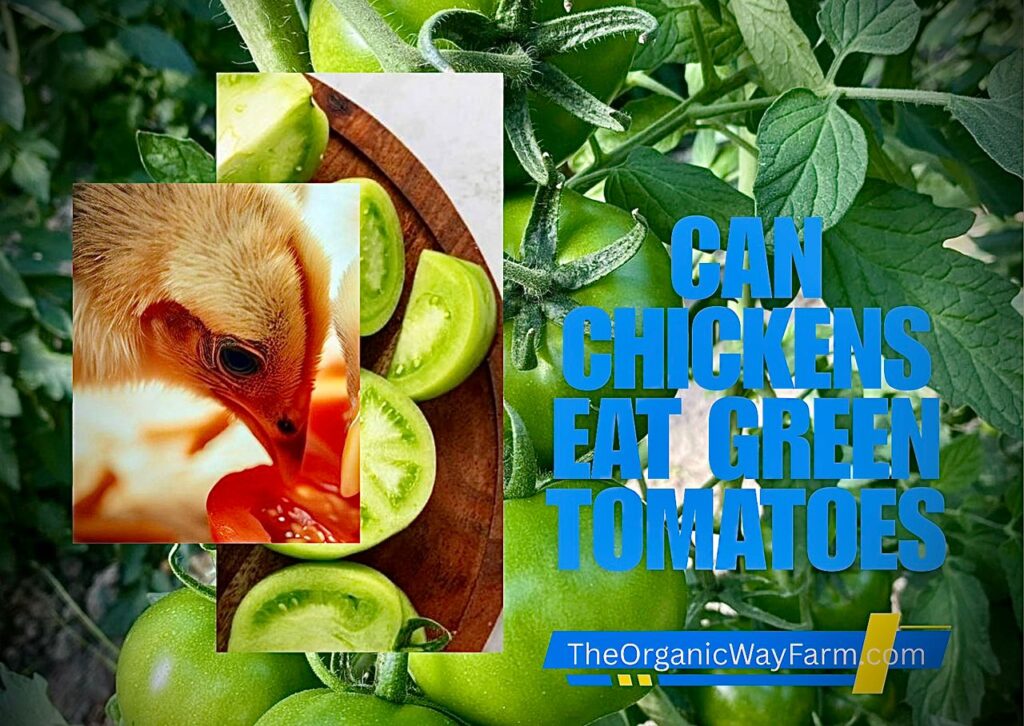
If you have some extra tomatoes from your garden or farmers market, you might be wondering, “Can chickens eat green tomatoes?” You’re not alone in this inquiry! Many chicken owners often ask this question as they strive to provide a varied and nutritious diet for their feathered friends.
The answer is YES, chickens can eat green tomatoes, but with some important caveats. Green tomatoes contain solanine, a compound that can be harmful in large amounts. This compound is more prevalent in unripe tomatoes than in ripe ones. Therefore, moderation is key. While a small amount might not hurt your chickens, it’s best to avoid overfeeding them green tomatoes regularly.
We invite you to stick around as we explore this fascinating topic further. Understanding the dietary needs of our chickens can lead to healthier and happier birds. Let’s jump into the specifics of feeding green tomatoes to chickens, including how much they can eat, the best ways to offer them, the benefits and dangers associated with green tomatoes, and possible substitutes.
- Can Chickens Eat Green Tomatoes?
- How Much Green Tomatoes Can Chickens Eat?
- Best Way to Feed Green Tomatoes to Chickens
- Benefits of Feeding Green Tomatoes to Chickens
- Dangers of Green Tomatoes for Chickens
- Substitutes for Green Tomatoes in Chicken Diets
Let’s get started!
Can Chickens Eat Green Tomatoes?
Chickens can indeed eat green tomatoes, but we have to be careful with how we do it. Green tomatoes are the part of the tomato plant that hasn’t ripened yet, making them firm and green in color. Unlike the vibrant red variety we are used to seeing, these green tomatoes can have safe and beneficial attributes, as well as some risks associated with them.
The primary compound of concern in green tomatoes is solanine, which belongs to a group of chemical compounds known as glycoalkaloids. Levels of solanine peak before the fruit ripens, which is why we should treat green tomatoes with caution. Solanine can cause gastrointestinal disturbances in chickens, leading to symptoms such as vomiting and diarrhea if consumed in large quantities.
Fortunately, chickens are resilient animals with pretty robust digestive systems, meaning they will likely not face severe consequences from a small amount of green tomatoes. Most chicken keepers find that a few pieces of green tomatoes can be given as an occasional treat, especially when balanced within a larger, varied diet. It’s about knowing the right balance and ensuring that we look out for our chickens’ well-being.
We believe that understanding their dietary needs will only strengthen our flock. While green tomatoes are safe in moderation, always be attentive to your birds to see how they react to new foods. Each bird is unique, with different preferences and tolerances.
If you’re ever unsure, it’s best to opt for fully ripe tomatoes or other safe fruits and veggies until you feel comfortable incorporating green tomatoes into your chickens’ diet. Always stay tuned to their behavior and overall health, as their wellbeing is our priority!
You might also be intrested in: Can Chickens Eat Rosemary?
How Much Green Tomatoes Can Chickens Eat?
When we think about feeding our chickens green tomatoes, moderation is key. It’s essential to remember that while they can munch on them, the amount should be limited. A few wedges or slices here and there can be a delightful treat, but we want to avoid too much of a good thing.
A general rule of thumb is to offer green tomatoes as just a small fraction of their overall diet. Treats like these should only make up about ten percent or less of their daily intake. This way, we ensure that they are getting the variety of nutrients they need without jeopardizing their health. If we introduce green tomatoes, we’re basically adding a small side note to their daily menu, rather than writing the entire menu around it.
It’s always good to start small. A few small pieces at a time, watching closely how your chickens react, can be a fabulous way to introduce this food. If they seem to enjoy it and show no adverse reactions, we can gradually add a little more into their diet over time.
Remember to keep an eye on them after introducing any new food, including green tomatoes. Signs of trouble may include unusual behaviors like lethargy or upset tummies. If you notice something off in your chickens, it’s always worth checking in with a poultry vet. They can offer a helping hand and ensure our flock stays happy and healthy!
Chickens are creatures of habit, and if they grow accustomed to specific treats, they may readily accept green tomatoes when offered. We want to create a diverse diet, bringing together grains, foraged items, and various fruits and vegetables—it’s all about balance.
As an alternative, consider mixing in small amounts of green tomatoes with their usual feed to make it more appealing, while also ensuring they are receiving proper nutrition along the way. Based on our observations, this technique tends to work exceptionally well. Healthier chickens make for a happy flock!
Best Way to Feed Green Tomatoes to Chickens
Feeding green tomatoes to our chickens can be a fun and rewarding experience when done correctly. To ensure our chickens receive the most benefit from their treats, we need to consider how we present these fruits.
The best way to feed green tomatoes is to slice them into small, manageable pieces. This not only makes it easier for our feathered friends to pick up and consume, but it also provides an opportunity for them to nibble on the tomato without overwhelming their bellies. Whole green tomatoes can be intimidating for some chickens, so breaking them down into smaller pieces can lead to a more enjoyable eating experience.
Consider offering tomatoes in combination with other flavors they might enjoy. Mixing pieces of green tomatoes with other fruits or a few grains can create a delicious and enticing salad for your chickens. They love variety, and the different tastes in their food will keep mealtime exciting.
Timing can also play a role in how well they eat their green tomatoes. Chickens can be particularly curious when they are hungry, making it the ideal time to introduce a new treat. Experimenting with different times of day can help us gauge when they are most receptive to a healthy snack.
It’s also a great idea to observe whether your chickens prefer their tomatoes fresh or after cooking. Some birds might have preferences based on texture—while others may enjoy the softness of cooked veggies. By trying out different methods of preparation, we can discover what really pleases our flock.
Cleanliness is just as crucial as preparation. Always ensure that any tomatoes fed to chickens are pesticide-free and washed thoroughly. Poor hygiene can lead to potential health issues, so little steps can make a significant impact.
Finally, we can enlist the help of our children or other family members in the feeding process. Involving others can be a delightful way to learn about chickens and share in the joy of caring for these animals. Watching them peck at their food is a wonderful and rewarding sight!
Benefits of Feeding Green Tomatoes to Chickens
Hydration
One of the essential benefits of green tomatoes is hydration, which can be particularly useful in warm weather. Since tomatoes are primarily water, providing them to our chickens can help keep them hydrated. Chickens, like many animals, rely heavily on water for their overall health, so any additional moisture from their treats can be a boon.
Additionally, offering treats that have high water content, such as green tomatoes, can be beneficial during hot days. We often notice that chickens tend to eat less dry pellets during heat waves, but allowing them to snack on wet fruits can encourage them to continue eating and drinking, which promotes healthy egg production and overall vitality.
Keeping an eye on the hydration levels of our chickens, especially during the summer months, is essentialfor keeping them healthy and preventing heat stress. Along with providing fresh water daily, adding some juicy treats like green tomatoes keeps their spirits high!
Together as caregivers, we can make our chickens thrive within their environment by employing simple yet effective strategies. Every small effort can significantly impact our chickens’ well-being.
Fiber
Another notable benefit is fiber. Green tomatoes contain a reasonable amount of dietary fiber, which plays a crucial role in maintaining good digestive health. Just like us humans, chickens require fiber in their diet to keep their digestive systems functioning properly. When we provide green tomatoes as treats, we’re offering them an opportunity to enjoy something that promotes gut health.
A diet high in fiber can help prevent issues such as constipation and ensure that food moves smoothly through their digestive tract. This balance is essential for optimal nutrient absorption, making sure that their bodies can utilize everything from their feed effectively.
It is fantastic how easily we can add fiber to our chickens’ diets with simple foods. On occasions, treating chickens with additional fiber sources helps to adjust for other dietary changes or keeps their intestinal systems in balance. Additionally, we can explore incorporating other fibrous foods, like leafy greens or certain grains, into their diet alongside green tomatoes. All these efforts contribute to our chickens’ overall health and happiness!
Vitamins and Minerals
Vitamin and mineral intake is foundational to the healthy development of our chickens. Green tomatoes do provide some essential vitamins, particularly vitamins A and C. Vitamin A supports immune function and contributes to good eyesight, while vitamin C is crucial for overall immune health and helps combat stress.
These vitamins play even more significant roles in the development of growing chicks, supporting their immune system while they are most vulnerable. Providing a diverse diet helps chickens grow strong and thrive throughout their life stages. When we think about healthy chickens, we imagine them being active, laying eggs efficiently, and living long, happy lives!
Their diet doesn’t only need to support physical growth; it also impacts their mental wellbeing. Chickens that receive a wide variety of nutrients will likely be more energetic and display a range of natural behaviors, such as foraging, which is an essential part of their instinctual activities.
Encouraging a vibrant and nutrient-rich environment fosters creativity within our flock! We can continue this journey of growth together by exploring other nutritious foods that benefit our chickens overall. From sunflowers to leafy greens, each choice we make contributes to a well-rounded and rich experience for our hens.
Mental Stimulation
Aside from the physical benefits that green tomatoes can provide, we can’t forget about mental stimulation. Chickens are intelligent creatures that enjoy engaging with their environment. When we introduce new foods like green tomatoes, we invite them to explore and discover, which stimulates their minds.
Just as we enjoy the occasional treat, so do chickens! A new fruit can be exciting for them, encouraging their natural foraging instincts. When we scatter small pieces around their coop or run, we not only provide a healthy snack but also turn their feeding time into a fun scavenger hunt.
Mental stimulation is vital for reducing boredom and promoting well-being. Bored chickens can exhibit undesirable behaviors due to a lack of activity, so finding ways to keep them engaged is always a top priority. By adding green tomatoes to their diet, we can achieve the double benefit of nourishing our chickens while also providing them with opportunities for enrichment.
By creatively offering different varieties of fruits and vegetables, we can keep our chickens curious and happy. Regularly mixing up their diet encourages them to explore textures, flavors, and smells that make life more interesting. Let’s strive to create an inviting space where our chickens can develop naturally and live a fulfilling life!
Nutritional Breakdown of Green Tomatoes
Green tomatoes contain various nutrients that can enhance our chickens’ health. Here’s a simple rundown of what’s inside them.
– **Vitamins**: As discussed earlier, vitamins A and C are present in green tomatoes. Vitamin A is vital for immune health, vision, and skin, while vitamin C aids overall immune defense and keeps chickens feeling their best.
– **Fiber**: Green tomatoes are high in fiber, supporting optimal digestion and gut health. Digestive health leads to promoting a smooth absorption of nutrients, essential for egg-laying hens and growing chicks alike.
– **Low in Calories**: Which makes them socially acceptable to serve as a treat without adding excessive calories.
Offering nutrients in balance and moderation is a great way to support our flock’s needs. By adding green tomatoes to their treat list, we’re transcending the ordinary—our chickens can enjoy life’s little offerings while staying healthy and vibrant. This health maintenance is crucial, especially during times of stress or change, as freshness plays a significant role in their mood and recovery. Let’s keep nurturing our happy flock!
Dangers of Green Tomatoes for Chickens
Despite the benefits, we must also be aware of the potential risks associated with feeding green tomatoes. As previously mentioned, the primary concern revolves around solanine. In excessive amounts, this compound can lead to toxic symptoms in chickens, such as lethargy, vomiting, and diarrhea.
It’s wise to remember that moderation is our best friend. As chicken owners, our role is to ensure their overall safety and well-being. Small amounts of green tomatoes here and there may not cause any harm, but over time, if fed regularly or in large quantities, it could lead to negative side effects.
It’s important to keep an eye out for adverse reactions when introducing anything new into their diets. If we notice any unusual behavior or health concerns arise, it is vital to seek assistance from a licensed poultry vet. Remember, it is always better to err on the side of caution.
In addition, there are a few other risks to consider. The texture of green tomatoes can be more challenging for some chickens to eat than fully ripe tomatoes. Birds that are less accustomed to such textures may struggle with large pieces. Starting with small, manageable bites is vital as we introduce this food.
Finally, always ensure that any tomatoes provided are clean and free from pesticides. We should wash the fruits thoroughly to avoid causing any stomach discomfort for our chickens. We can’t overlook the importance of diligence in ensuring the health of our flock.
Taking these simple steps will set our chickens up for a long and fruitful existence, letting them thrive while still enjoying delicious greens like tomatoes!
Substitutes for Green Tomatoes in Chicken Diets
Even though we may be excited about incorporating green tomatoes into our chickens’ diets, it’s essential to consider alternatives. There are plenty of other fruits and veggies that can serve as excellent substitutes while offering similar benefits for hydration, fiber, and nutrients.
Some fantastic options include fully ripe tomatoes. Fully ripe tomatoes are less likely to contain harmful solanine levels, allowing for a completely safe feeding experience. Apples are another great treat, loaded with vitamins, and can be given regularly.
We can also try fruits like watermelon, which is rich in water content, making it a perfect summer treat. Blueberries are another nutritious alternative, providing vitamins and antioxidants to support our chickens’ overall well-being.
Root vegetables, such as carrots, also bring a unique crunchy texture and are packed with essential nutrients. Offering a medley of colorful fruits and veggies not only keeps our chickens entertained but also contributes to a balanced diet that’ll keep them thriving.
Herbs are wonderful too! Fresh parsley, cilantro, or even mint can provide fresh flavor profiles while stimulating our chickens’ mental faculties, just like green tomatoes do. It can be fun to mix things up; a new flavor might even ignite a newfound interest in mealtime!
By exploring and experimenting with various options, we can nourish and care for our chickens in a way that keeps them excited about their food. It is crucial to have a diverse nutrient-rich diet so our chickens fulfill their needs while enjoying every colorful bite!
Can Chickens Eat Green Tomatoes? Frequently Asked Questions
Can chickens eat ripe tomatoes?
Yes! Ripe tomatoes are a safe and nutritious treat for chickens. They are low in solanine, making them a better choice compared to green tomatoes. Just make sure to offer them in moderation.
Are there other vegetables that can be harmful to chickens?
Yes, some vegetables can be dangerous to chickens, including potatoes, rhubarb, and onions. Always research any new food before offering it to your flock.
What should I do if my chicken eats too many green tomatoes?
If you suspect your chickens have ingested too many green tomatoes, closely monitor them for symptoms like lethargy or diarrhea. If you notice concerning signs, do not hesitate to consult a veterinarian.
How can I offer chicken treats safely?
To keep our flock safe, offer treats in moderation, cut into small portions, and ensure they’re appropriate foods. Always monitor their reactions when introducing something new.
Can chickens eat the leaves or stems of tomato plants?
No, the leaves and stems of tomato plants contain higher levels of solanine and can be harmful to chickens. Stick to feeding just the fruits.
Final Thoughts
In summary, we can say yes to the question of whether chickens can eat green tomatoes, but with precautions! These delightful fruits can hydrate and nourish our chickens when given in moderation, contributing to their overall well-being.
As responsible caregivers, we must be aware of the risks while delighting in providing tasty treats that promote mental stimulation and vitality. The world of chicken nutrition is vast, and exploring different options helps create a well-rounded diet necessary for happier birds.
Let’s continue to nurture our flock together, creating delicious and varied meal options that keep our chickens healthy and vibrant. If you’re curious about what other fruits and veggies are suitable for our feathered friends, consider checking out some of these topics: Can Chickens Eat Grapes? and Can Chickens Eat Tomatoes?. The journey of chicken care can be overwhelming, but together we can create a fulfilling life for our cherished hens!