
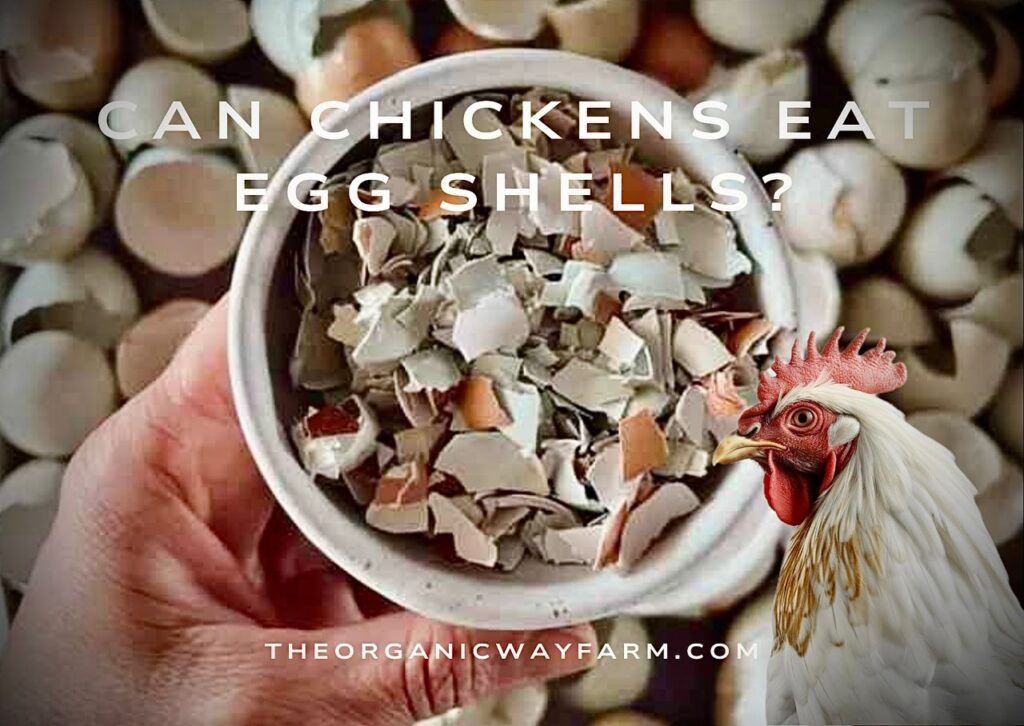
If you have chickens, you might be curious about what other foods they can eat besides their regular feed. One question that seems to come up often is, “Can chickens eat egg shells?” It’s a good question, and you’re definitely not alone in asking it! Many chicken owners wonder if they can utilize the eggshells they have leftover from breakfast instead of tossing them out.
The answer to that burning question is yes, chickens can eat egg shells! In fact, they can provide important nutrients to your birds. Egg shells are primarily made of calcium carbonate, which is crucial for egg-laying hens to maintain strong eggshells. If we don’t provide them with enough calcium in their diet, they may lay eggs with soft shells or even stop laying altogether.
Keep reading; this article will cover everything you need to know about feeding egg shells to your chickens. What are the right amounts? What are the benefits? Are there any risks? We’ve got a lot of exciting and useful information to explore, so let’s get started!
- Can Chickens Eat Egg Shells?
- How Much Egg Shells Can Chickens Eat?
- Best Way to Feed Egg Shells to Chickens
- Benefits of Feeding Egg Shells to Chickens
- Risks/Dangers of Feeding Egg Shells to Chickens
- Substitutes for Egg Shells in Chicken Diet
- Frequently Asked Questions
Let’s dive in!
Can Chickens Eat Egg Shells?
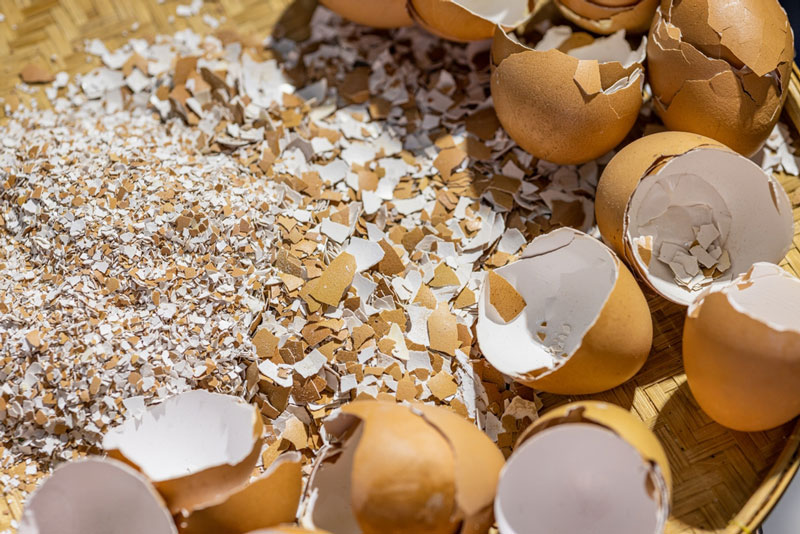
Yes, chickens can eat egg shells, and they often do if given the chance! Egg shells can actually serve as a great source of calcium and other minerals that are essential for a healthy chicken diet. When hens lay eggs, they use calcium from their bodies to form the shells. This means that they need a consistent source of calcium to stay healthy and continue laying eggs without issue.
As a natural byproduct, feeding them crushed egg shells can be a wonderful way to recycle something we typically throw away. Chickens have instinctual behaviors that allow them to pick and eat small items, and this includes egg shells. They will eat them when offered, and it can lead to happier, healthier hens. However, it’s essential to know how to prepare the egg shells properly before giving them to your feathery friends.
Many chicken owners swear by giving their birds egg shells. It’s a great addition to their diet, and it can function as both a treat and a nutrient source. Most importantly, we want to ensure our chickens are getting everything they need to be healthy, so let’s research how to properly feed egg shells to them!
You might also be intrested in: Can Chickens Eat Shrimp?
How Much Egg Shells Can Chickens Eat?
When considering how much egg shell to feed your chickens, moderation is key. You don’t want to overload them with too many shells because, while they need calcium, too much can lead to problems. Generally, one to two teaspoons of crushed egg shells per chicken per week is a good guideline. However, the amount might vary depending on their regular diet.
For example, if your chickens are on a commercial feed that already contains enough calcium, then you may not need to supplement with egg shells at all. It’s all about striking a balance that suits your flock. If you’re unsure about the right amount, observe your chickens and adjust based on their condition and egg-laying frequency. If they are laying regularly and appear healthy, your current feeding practices are likely adequate.
You can involve your children in this learning experience by letting them help you measure out the amount of egg shell to give to the chickens. This can create a bonding time between them and the chickens. Plus, it teaches kids about taking care of animals and responsible feeding practices!
As we continue to explore how to introduce egg shells into the diet of our chickens, let’s consider the best way to feed them these nutritious snacks.
Best Way to Feed Egg Shells to Chickens
Feeding egg shells to our chickens can be done in a few simple and effective ways. The most important thing is to prepare the egg shells correctly. It’s best to wash the shells to remove any residue from the egg. Before we feed them to our chickens, we should let them dry completely.
Once dried, we can crush the egg shells into small pieces. Crushed shells are easier for chickens to eat and digest. We can use a blender or a food processor for this, or we can simply place the shells in a sturdy bag and use a rolling pin to crush them. Children can join in on this activity too! It’s a safe, fun, and educational task for them.
Once crushed, chicken owners can sprinkle the egg shell bits on the ground where the chickens forage or mix them in with their regular feed. By providing egg shells in this way, we encourage the chickens to pick at them like they would in the wild. This mimics their natural behavior and keeps them engaged. It can even be a fun game for the flock!
Another method is to add crushed egg shells to a treat mix. Mix them with grains or vegetables, offering it as a special treat now and then. This keeps things exciting for our chickens and encourages them to consume the calcium-rich shells. Involving the whole family in feeding time can also make it enjoyable and a wonderful bonding experience with our beloved pets.
As we look at the next section, let’s explore the many benefits of feeding egg shells to our chickens.
Benefits of Feeding Egg Shells to Chickens
Hydration
When we incorporate egg shells into our chickens’ diet, it can lead to better hydration as they seek out the shells, encouraging them to drink more water. This is crucial for all animals, as hydration is key to maintaining health. When chickens are well-hydrated, they can better digest their food, lay eggs effectively, and stay active.
Fiber
The texture of crushed egg shells adds additional fiber to a chicken’s diet. Fiber plays an essential role in heart health and digestion. By having a range of textures in their diet, this can not only aid in digestion but also makes feeding time more interesting for them!
Vitamins and Minerals
Egg shells are rich in calcium and contain a variety of vitamins and minerals that contribute to the overall well-being of your flock. Calcium is vital for strong bones and proper egg formation, while other vitamins play roles in the immune system, growth, and reproductive health. By feeding egg shells, we ensure our chickens get the nutrients they need to thrive.
Mental Stimulation
Feeding chickens egg shells can also encourage mental stimulation. Chickens are curious creatures, and introducing new items into their diet can provoke exploration and foraging behavior. This is vital for their mental well-being!
Nutritional Breakdown of Egg Shells
The nutritional value of egg shells is impressive. They are approximately 95 percent calcium carbonate, while the remaining five percent covers proteins, magnesium, phosphorus, and various trace minerals. These nutrients contribute positively to a chicken’s overall health, especially in laying hens.
Dangers of Feeding Egg Shells to Chickens
While egg shells can be beneficial for chickens, there are a few risks we should be aware of. One main concern is the potential for bacterial contamination, particularly from products that haven’t been properly washed before feeding. Egg shells can sometimes carry harmful bacteria like Salmonella, which could lead to serious health issues in our chickens.
Another risk is the possibility of developing a habit in which chickens begin to eat their own eggs. If they get used to having egg shells frequently, they may mistake fresh eggs for shells and start pecking at them. To mitigate this risk, we should ensure that egg shells are only provided as a supplement, not as a primary food source.
Using crushed egg shells as the only source of calcium may lead to problems as well. If they are solely relied upon, this can be an imbalance. It’s essential for a balanced diet to combine sources of nutrients, ensuring your chickens have a comprehensive diet. It’s wise to monitor the health of your flock regularly, watching for any unusual behaviors or changes in egg production.
As we address these risks, let us explore suitable substitutes that we can introduce to ensure our flock remains healthy.
Substitutes for Egg Shells in Chicken Diet
There are various suitable alternatives we can offer our chickens if we want to provide calcium but wish to limit or avoid feeding egg shells. Oystershell is a popular choice and can be easily found at agricultural supply stores. It’s a natural product, similar to egg shells, and can be offered free-choice for your chickens. This means they can take it as needed, ensuring that they receive adequate amounts of calcium.
Crushed limestone is another option, providing a similar calcium source. It is necessary to ensure that the source is untreated and free from additives before introducing it to the diet. These alternatives can contribute positively to your flock’s health without the challenges that sometimes come with feeding egg shells.
While these substitutes are useful, we can always return to cooking methods for egg shells to avoid excessive risks. If—at any point—the idea of using egg shells seems complicated or you’re uncomfortable feeding them, going for trusted proprietary feeds can provide ample calcium without introducing the risk of bacteria.
Before making changes, stay observant of your chickens’ reactions toward new food types. Through ongoing care and thoughtful feeding practices, we can ensure our chickens live long, healthy lives.
Can Chickens Eat Egg Shells? Frequently Asked Questions
Can I feed my chickens raw egg shells?
Yes, chickens can eat raw egg shells, but make sure they are clean. Always wash and dry them first.
How do I prevent my chickens from eating their own eggs?
Keep egg production balanced, and use enough distractions. Regularly collect eggs to limit access and modify their diet as needed.
Are there any other benefits of feeding chickens egg shells?
Yes! Egg shells also promote strong bones, better egg production, and assist in their overall well-being.
Can I give my chickens egg shells every day?
While egg shells can be included a few times a week, providing them daily may not be necessary. Observe your chickens’ overall health.
What’s the best way to store leftover egg shells?
Store clean, dry egg shells in an airtight container. Keep them in a cool, dry place to preserve freshness.
Final Thoughts
Feeding egg shells to our chickens can be a fantastic addition to their diet. By providing an excellent source of calcium, we help our hens stay healthy and productive. We need to ensure that we follow best practices, such as washing and crushing the shells, to maximize the benefits and minimize any risks associated with bacteria.
As we continue to care for our chickens, let’s not forget about other delicious foods they can enjoy. From healthy treats like fruits and vegetables like grapes or tomatoes to fresh herbs like cilantro, variety is crucial! Curious about what else we can feed them? Explore our articles on what chickens can eat to discover a world of feeding possibilities for our delightful flocks!
Can Chickens Eat Grapes? and Can Chickens Eat Tomatoes? are a great starting point!