
If we are raising chickens, we often think about their diet and what foods we can share with them. One common question I come across is, “Can chickens eat pecans?” This is super important because providing our feathered friends with the right snacks ensures they remain healthy and happy.
The short answer is YES, chickens can eat pecans! However, just like with any treat, moderation is key. Pecans should not make up a large part of their diet. It’s best if these nuts are given as an occasional snack rather than a regular part of their meals.
As we explore this topic, we’ll find out more about how pecans can fit into our chickens’ diets, how much they can have, and even the health benefits and potential risks. This way, we can make informed choices for our flock. Let’s take a look at what we will cover in this article:
- Can Chickens Eat Pecans?
- How Much Pecans Can Chickens Eat?
- Best Way to Feed Pecans to Chickens
- Benefits of Feeding Pecans to Chickens
- Risks and Dangers of Feeding Pecans to Chickens
- Substitutes for Pecans for Chickens
We have a lot to discuss, so let’s jump right in!
Can Chickens Eat Pecans?
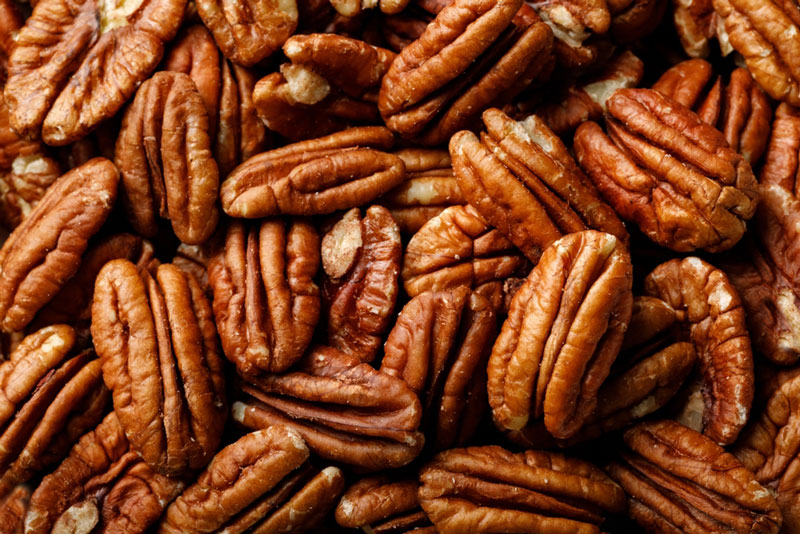
Chickens can safely eat pecans. These nuts are packed with nutrients that can be beneficial to our birds when given appropriately. They contain healthy fats, protein, and a variety of vitamins and minerals. However, it is crucial that we consider how they are prepared before offering them to our chickens.
Pecans, much like other nuts, should be given in moderation. Too many nuts in our chickens’ diet may lead to digestive issues. We should keep an eye on the overall balance of their diet, as chickens require a mix of grains, greens, and protein to stay healthy. When introducing pecans into their diet, it’s essential to crush or chop them into smaller pieces, making it easier for the chickens to eat. Whole nuts may pose a choking hazard, especially for younger birds or those unfamiliar with the texture.
You might also be intrested in: Can Chickens Eat Black Beans?
How Much Can Chickens Eat Pecans?
The amount of pecans chickens can safely eat largely depends on their dietary needs and the size of our flock. Ideally, nuts should only represent a small percentage of their overall diet. As a rule of thumb, we can offer chickens around one to two tablespoons of crushed pecans per bird, once or twice a week. This portion ensures they receive the nutritious benefits without overwhelming their systems.
We need to be aware of their other food intake too. If we give them pecans or any treats, we need to adjust their feed accordingly. Treats shouldn’t surpass ten percent of their daily food intake. This keeps their diet balanced while allowing them to enjoy some tasty surprises.
Another aspect to think about is the season. Chickens tend to forage less during colder months. During this time, offering a few nuts can provide them some delightful nutrition and extra energy to stay warm. Keep an eye on their overall health during these changes in diet, making sure they remain active and healthy.
As our chickens enjoy their pecans, we should monitor them. If we see any unusual behavior after they eat, it may be worth reevaluating what we give them. Observing how they respond to new foods can give us valuable insights.
Best Way to Feed Pecans to Chickens
Feeding pecans to chickens can be rewarding, but there’s a simple method to how we go about it. As mentioned, chopping or crushing the nuts is ideal since it prevents choking and helps our birds digest better. We can either use a food processor or a mortar and pestle to break them down into smaller pieces.
Alternatively, we might opt to mix pecan pieces with other favorite treats. For instance, tossing chopped pecans in with some corn or mixed grains can create a delightful and nutritious treat that our chickens will love. This variety keeps their interest piqued and provides different nutrients.
It’s essential to offer pecans as a treat rather than as a regular feed. We can use them as an incentive during training sessions or as a special snack during the week. By making feeding time fun and varied, we ensure our chickens enjoy their meals.
Another way to serve pecans is to scatter them in their run or coop. Chickens love to scratch around, and hiding treats encourages natural foraging behavior. This will keep them entertained and mentally stimulated.
Benefits of Feeding Pecans
Hydration
Pecans have a high-fat content that can help chickens stay hydrated. Although we may not think of nuts for hydration, proper nutrition helps maintain a healthy balance in their diets, making them able to sustain good hydration levels, especially in warmer months. This is essential for egg-laying hens, as hydration is key when they need to produce eggs.
Fiber
Just like humans, chickens benefit from dietary fiber. Pecans provide some fiber, which can aid in digestion. Healthy digestion is essential for chickens, ensuring they can absorb all the nutrients they need for energy and overall health. Striking a balance between protein, fats, and fiber is vital for the health of our flock.
Vitamins and Minerals
Pecans are a good source of vitamins such as Vitamin A, Vitamin E, and B vitamins. These nutrients contribute to overall health and can help enhance egg production and general well-being in our chickens. Rich in essential minerals like magnesium and phosphorus, they also promote bone health. We want our chickens to have strong bones, especially during the laying periods.
Mental Stimulation
Offering pecans can also provide mental stimulation for our chickens. They enjoy foraging for their food, and hiding nuts among the bedding or in their enclosure can lead to playful scavenging. This engages their natural behaviors and helps keep them occupied and happy.
Nutritional Breakdown of Pecans
The nutritional value of pecans can be illustrated with a typical serving of roughly 100 grams, which typically contains around 690 calories. They are calorie-dense nuts, so we must practice moderation when feeding them. Their high-fat content, primarily healthy monounsaturated fats, contributes significantly to their caloric content. In addition, pecans contain about 9 grams of protein per 100 grams and provide fiber to aid in digestion.
Risks/Dangers of Feeding Pecans
While pecans can be a delicious and healthy treat for our chickens, we must be cautious of certain risks. Overindulgence can lead to obesity. Due to their high-fat content, consuming too many pecans may cause digestive upset or overweight birds. That’s why monitoring their portion sizes and overall intake is crucial.
Some nuts, including pecans, can be salty if purchased from stores. Salty foods should be avoided in chicken diets since high sodium levels can harm their health. If we do decide to give our chickens pecans, it’s best to choose unsalted varieties or use only raw ones. Limiting the amount of processed foods can lead to a healthier diet overall.
Another point worth noting is the potential for avocados. While some parts of the avocado are safe, the pits and skins contain substances that can be harmful to chickens. If we feed nuts, we should ensure they are not mixed with any potentially dangerous foods.
Unlike humans, some chickens might be sensitive to new foods in their digestive systems. It’s important to introduce any new treat slowly, observing their behavior. If there are any signs of trouble, we can reduce or eliminate those foods from their diet.
Substitutes for Pecans
If we decide pecans aren’t suitable for some of our chickens, or if we simply want to mix it up, various other nuts and treats can be offered. For protein-rich snacks, we can consider peanuts, which are also widely accepted by chickens. They can be a good source of fats and protein when prepared correctly.
Sunflower seeds can be another fun alternative for our chickens. Rich in healthy fats, they make for a great occasional treat. They can be offered in moderation, mixed into their seeds, or given whole for some fun foraging.
Other nut options include almonds or walnuts, though we should ensure they are unsalted. Treats like greens, fruits, and vegetables are excellent substitutes for nuts as well. Items like watermelon or bananas, which you can read more about here, become delightful and nutritious treats that keep our birds lively and healthy.
Mixing different treats can keep our chickens engaged. Variety is good for their nutritional health and provides mental stimulation. It’s always exciting to try new things, so feel free to experiment with alternatives while keeping their health in mind.
Frequently Asked Questions
Can chickens have nuts every day?
No, nuts should be an occasional treat. Treats should not make up more than ten percent of their daily intake.
What should I do if my chicken eats too many nuts?
If we observe any unusual behavior or signs of digestive distress in our chickens after they’ve eaten too many nuts, it’s best to consult a veterinarian for advice and guidance.
Are pecans safe for baby chicks?
Babies chicks can be more sensitive. It’s better to wait until they are fully grown before introducing nuts into their diet.
What is the best way to introduce new nuts to my chickens?
Start with small amounts and monitor their behavior. If all goes well, you can gradually increase the amount while watching for any adverse reactions.
Can chickens eat other types of nuts?
Yes, chickens can eat various nuts, but we must ensure they are raw, unsalted, and served in moderation.
Final Thoughts
Pecans can be a fun and nutritious snack that our chickens will definitely enjoy. With the right portion sizes and attention to their overall diet, we can introduce this nut safely into their meals. Just remember to keep it moderate and monitor their response. Healthy chickens mean plenty of eggs and happiness around the coop!
As we continue to feed our chickens various snacks and treats, let’s check out other articles to learn about what else our feathered friends can eat. There are plenty of options available to provide our chickens unique flavors, textures, and nutrition. Whether it’s learning about bananas, grapes, or broccoli, exciting discoveries await us!