
Chickens are curious creatures, and they tend to explore what’s around them in search of tasty treats. If you have chickens and enjoy gardening, you might be wondering, “Can chickens eat rosemary?” This question is quite common among backyard poultry enthusiasts. We all want to provide our feathered friends with nutritious snacks that also enhance their health.
The answer to the question is a happy YES! Chickens can indeed eat rosemary. This aromatic herb not only adds flavor to our dishes, but it also offers some potential health benefits for chickens. Rosemary is known for its antioxidant properties, which can help to boost our birds’ overall health. So, if you have some fresh rosemary in your garden or kitchen, feel free to share it with your flock.
In this article, we’ll explore the ins and outs of feeding rosemary to our chickens. We’ll cover how much they can eat, the best ways to offer it, the benefits it may bring to their diet, potential risks, and even some substitute options if rosemary isn’t available. You’ll discover how this herb can be a delightful addition to their meals. Keep reading to learn more!
- Can Chickens Eat Rosemary?
- How Much Rosemary Can Chickens Eat?
- Best Way to Feed Rosemary to Chickens
- Benefits of Feeding Rosemary to Chickens
- Risks and Dangers of Feeding Rosemary to Chickens
- Substitutes for Rosemary for Chickens
Can Chickens Eat Rosemary?
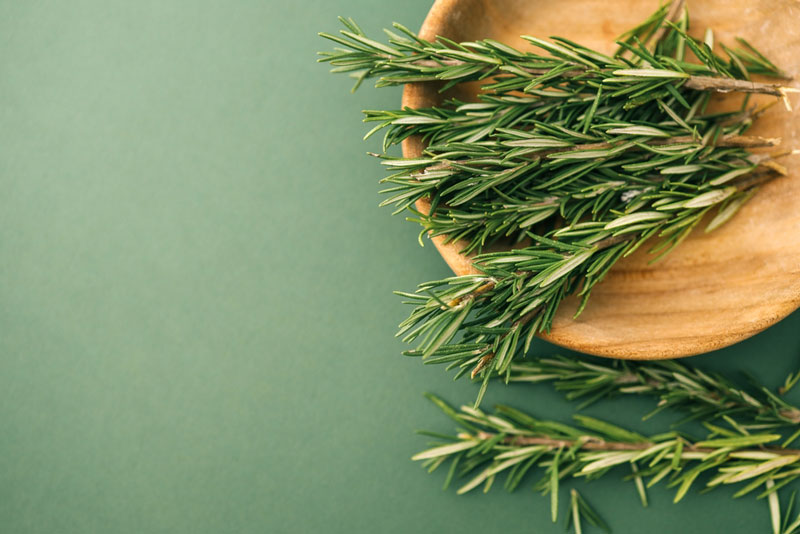
We all love adding herbs to our meals, and rosemary stands out with its unique flavor and aroma. When it comes to our chickens, rosemary can be a delightful addition to their diet. Chickens are omnivores, meaning they can enjoy a variety of foods. Rosemary, being an herb, falls into the category of safe foods for them to consume. Not only is it safe, but it also provides some great benefits! This herb contains antioxidants and nutrients that can support overall health in our birds.
Organic rosemary, preferably fresh, should be the first choice when introducing it to our flock. Dried rosemary is also acceptable, but fresh herbs generally contain higher levels of nutrients. Fresh herbs can be more appealing to chickens as they are more aromatic and flavorful. Using kitchen scraps or trimming our own rosemary plants can be a great way to reduce waste and provide our chickens with delicious treats.
You might also be intrested in: Can Chickens Eat Okra?
How Much Rosemary Can Chickens Eat?
As we explore how much rosemary to feed our chickens, moderation is key. While this herb is nutritious, it’s important to remember that it should complement their main diet rather than replace it. Feeding a small handful of rosemary leaves a couple of times a week is a good guideline to follow. We can begin by offering a small quantity and observe how our chickens respond. If they seem to enjoy it and show no adverse reactions, we can gradually increase the amount.
It’s essential to notice how the individual chickens react since some may be more sensitive to changes in their diet than others. As we continue providing them with rosemary, we can monitor their overall health, feather conditions, and egg production to ensure they are thriving. If everything remains normal, then our chickens are likely happy and healthy with the treats we provide.
As with any treat, the goal is to maintain a balanced diet. Chickens primarily need a high-quality poultry feed that meets their nutritional requirements. Supplementing their diet with rosemary and other herbs can enhance their meals while providing variety. Offering rosemary too frequently or in large amounts may result in digestive discomfort, so we mustn’t overlook the importance of moderation.
Best Way to Feed Rosemary to Chickens
Finding the best way to feed rosemary to our chickens can be an exciting part. We can start by simply plucking a few leaves and offering them fresh from the plant. Another option is to chop the leaves and mix them into their feed, or scatter them on the ground to encourage pecking. Chickens love foraging and scratching around, which makes hiding the rosemary in their bedding or among other treats a fantastic way to engage them.
When feeding dried rosemary, we can crush it before mixing it into their feed to release the oils and aromas, making it even more appealing. This herb’s strong scent may draw their curiosity, prompting them to try it out. Regardless of the method, the fresh and dried versions can also be included as part of a larger mix of healthy kitchen scraps, grains, or greens.
Introducing new foods should always be a fun experience for both us and our chickens. Observing their expressions and reactions to different flavors is part of the joy of keeping chickens. By experimenting with how we offer rosemary, we can discover what our flock prefers, bringing both nutrition and enjoyment to their meals.
Benefits of Feeding Rosemary to Chickens
Hydration
One of the many benefits of rosemary is its high water content. While it does not replace their water supply, incorporating fresh rosemary into their diet can indirectly support hydration. Chickens often enjoy pecking at leafy greens, as those leaves can provide additional moisture. This is especially helpful during hot summer months when chickens can be prone to dehydration. Eating moisture-rich foods like rosemary can provide them with a little extra hydration without overwhelming their digestive system.
Fiber
An important part of a chicken’s diet is fiber. Rosemary, like most herbs, provides fiber that aids in digestion. A well-functioning digestive system is vital for chickens to absorb all the necessary nutrients from their primary feed. In fact, a diet rich in fiber can contribute to the health of their digestive tract and encourage healthy droppings.
Vitamins and minerals
Rosemary is full of essential vitamins and minerals that contribute to our chickens’ well-being. This herb contains vitamins A, C, and K, along with various B vitamins that help maintain a healthy immune system, support cell functions, and enhance reproductive health. These vitamins are crucial for proper feathering, egg production, and overall vitality. Additionally, rosemary’s minerals may include calcium, potassium, and iron, which are all beneficial for strengthening bones and overall health.
Mental stimulation
Our chickens love to explore, and offering them rosemary can engage their natural foraging instincts. By scattering the herb or mixing it into their feed, we can create an exciting challenge for them. This mental stimulation is essential in preventing boredom and encouraging natural behaviors. Providing variety in their diet not only nourishes their bodies but can also improve their mental well-being by keeping them active and engaged.
Nutritional breakdown of rosemary
Taking a closer look at what makes rosemary a nutritious option, we can appreciate its content. A 100-gram serving of rosemary typically contains approximately 131 calories. It’s rich in dietary fiber at about 14.1 grams, which supports healthy digestion. In terms of vitamins and minerals, rosemary offers several nutrients necessary for chicken health. This breakdown exemplifies the balance we seek when including treats like rosemary in their diet.
Dangers of Feeding Rosemary to Chickens
While we know that rosemary has its benefits, we should also consider the potential risks. One possible danger lies in the quantity. If we feed our chickens an excessive amount of rosemary, it may lead to digestive issues. Symptoms to watch out for can include upset stomach, diarrhea, or lack of appetite. To avoid these risks, we should always stick to moderation and observe our chickens’ behavior when introducing new foods.
Another factor to consider is the origin of the rosemary. If we buy rosemary from a store, it’s essential to ensure it’s free from pesticides or other harmful chemicals. Using organic rosemary is the best choice for ensuring our flock’s safety. If we grow our own, we have full control over what goes into our plants. Non-organic produce may contain residues that could be harmful to chickens, so being discerning about the source is crucial.
Allergies are also worth noting. While rare, some chickens may develop sensitivities to certain foods, including rosemary. If we notice an unusual reaction after feeding rosemary, it’s wise to discontinue feeding it and consult a veterinarian if needed.
Keeping our chickens healthy is our responsibility, and understanding any potential risks surrounding the addition of herbs like rosemary proves that we are dedicated caretakers.
Substitutes for Rosemary for Chickens
If we find ourselves in a situation where rosemary isn’t accessible, there are several substitutes we can consider. Herbs like thyme or oregano can serve as excellent replacements, as they also carry similar properties and benefits. They can provide flavor, variety, and added nutrition when we want to keep our chickens excited about their meals.
Another option is offering a blend of leafy greens alongside other herbs. Vegetables, such as kale or spinach, can be mixed with any of the mentioned herbs to create a robust offering of nutrients and flavors. Chickens enjoy the option to pick at a mix; it encourages their natural foraging instincts and provides mental stimulation.
We can also explore other edible plants and herbs that our chickens might enjoy, such as cilantro, mint, or basil. The key is to provide a variety of healthy options for our chickens to explore and enjoy, ensuring they receive a well-rounded diet that keeps them happy and healthy.
Can Chickens Eat Rosemary? Frequently Asked Questions
Can all chickens eat rosemary?
Most chickens can enjoy rosemary safely, but we should start by introducing it in small amounts and observe for any allergic reactions or sensitivities.
Is dried rosemary safe for chickens?
Dried rosemary is safe for chickens, but it’s important to crush it beforehand to release its essential oils and flavors.
Can chickens eat rosemary daily?
While rosemary is healthy, it should only be a treat and not a daily part of their main diet. Moderation is key!
How do chickens react to rosemary?
Chickens often enjoy the taste and aroma of rosemary, and we can find them eagerly pecking at it when introduced correctly.
Where can I find fresh rosemary for my chickens?
Fresh rosemary can usually be found at grocery stores, farmer’s markets, or grown in home gardens.
Final Thoughts
Feeding our chickens rosemary brings a delightful twist to their diet, full of flavor and potential benefits! As we incorporate this herb into their meals, it’s essential to keep moderation in mind and monitor our flock’s reactions. Exploring different ways to introduce rosemary also creates an engaging experience for us and them, enhancing their overall well-being.
If you’re curious about other foods and treats for your chickens, check out our articles on grapes, bananas, or carrots. Each one offers unique nutritional benefits and fun ways to mix up their meals while supporting a healthy lifestyle for our feathered friends.