
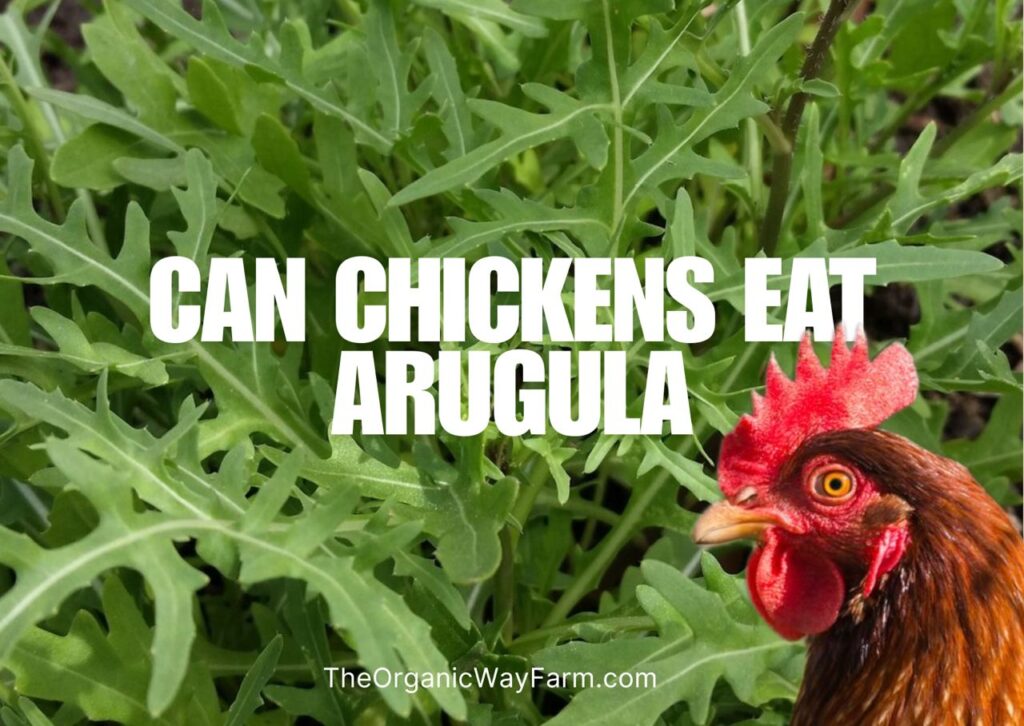
Have you ever wondered what treats you can feed your chickens? If arugula has made its way to your kitchen or garden, you might be asking, “Can chickens eat arugula?” You’re not alone in this curiosity! Chickens are naturally inclined to explore new flavors, and as farmers, we often find ourselves wanting to provide them with healthy and tasty options.
The answer is a resounding YES! Chickens can indeed eat arugula. This leafy green is safe for chickens and can be a beneficial addition to their diet. However, finding the right balance and understanding how much to feed them is important for their overall health.
So stick around as we explore everything you need to know about feeding arugula to our feathery friends. We will uncover the right amount to feed, how to best present it, the benefits it can bring, the risks we should consider, and some great substitutes in case arugula isn’t available.
- Can Chickens Eat Arugula?
- How Much Arugula Can Chickens Eat?
- Best Way to Feed Arugula to Chickens
- Benefits of Feeding Arugula to Chickens
- Risks and Dangers of Feeding Too Much Arugula to Chickens
- Substitutes for Arugula
- Frequently Asked Questions about Arugula
- Final Thoughts
Can Chickens Eat Arugula?
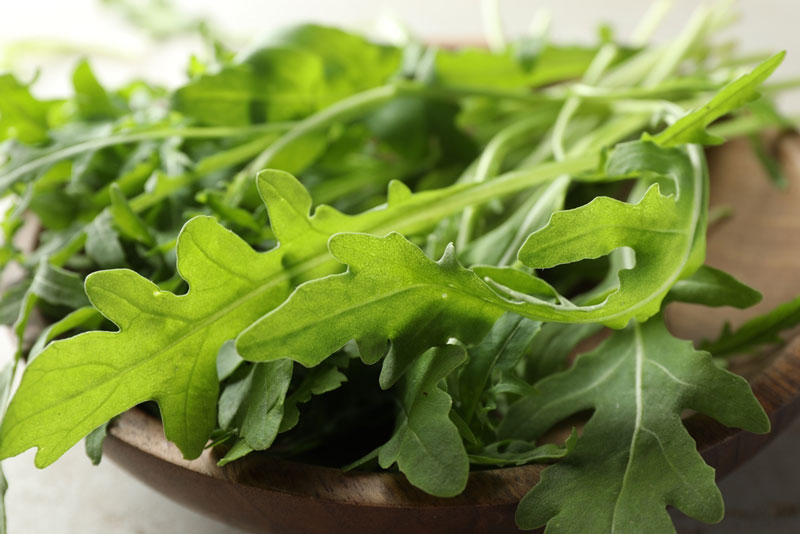
Arugula is not just a trendy salad green; it’s also a fantastic treat for our chickens. This leafy vegetable belongs to the brassica family, which includes vegetables like broccoli and kale. Chickens find arugula’s peppery flavor quite appealing, and it can even aid in their digestion due to its fiber content. Since chickens are omnivores, they enjoy a varied diet that includes both grains and fresh greens.
Not only will chickens eat arugula, but it can also provide them with various nutrients. This leafy green is rich in vitamins A, C, and K, which contribute to their overall health. Vitamin A supports their vision and immune system, while vitamin C can help their bodies repair tissues and fight illness. Vitamin K plays a vital role in blood clotting and bone health. All these nutrients make arugula a perfect choice for our poultry pals.
However, it is crucial that we introduce arugula in moderation. While it is nutritious, too much can lead to digestive upset. We should always ensure our chickens maintain a balanced diet overall, which consists mostly of their standard feed. So, as we experiment by giving them arugula, we must remember that it is mostly an added treat rather than the main course for their meals.
You might also be intrested in: Can Chickens Eat Blueberries?
How Much Arugula Can Chickens Eat?
So, how much arugula should we give our chickens? When it comes to introducing any new food into their diet, moderation is key. For chickens, it is best to offer arugula as a treat rather than as a large portion of their meals. Generally, we can start by giving each chicken a handful of arugula a couple of times per week.
The amount may vary depending on the size of our flock and individual chickens’ appetites. A standard rule is to limit treats, including arugula, to about 10% of their overall diet. For example, if our chickens consume around 1 cup of feed each day, then giving them a small handful of arugula will ensure we stay within that 10% guideline.
As we introduce arugula, we should monitor our chickens for any signs of discomfort or upset stomachs. If they seem to enjoy it and show no adverse reactions, we can continue to offer it as a treat. It may even become a new favorite for them! Be aware that if it seems to cause any digestive issues or they avoid it altogether, we should adjust our offerings accordingly.
It is also essential to make sure the arugula is fresh and free from pesticides and chemicals. Always wash the leaves before feeding them to the chickens to ensure they are clean and safe.
Best Way to Feed Arugula to Chickens
When serving arugula to our chickens, presentation can make a difference in how much they enjoy it. One approach is to chop the leaves into smaller pieces, especially if they are large. This can make it easier for them to eat and reduces the risk of choking.
We can also try letting them forage for arugula in the yard, especially if we have a garden where arugula is growing. Chickens love to scratch and peck at the ground, so having some plants available can engage them and provide them with mental stimulation.
Another fun way to offer arugula is to mix it with other greens or vegetables they love. A mix of arugula, kale, or spinach not only adds variety but also increases the nutritional benefits. Adding a bit of chopped fruit could make it even more enticing for our flock!
We can also consider using a chicken treat bowl or scattering the arugula around their coop or run to encourage their natural foraging behavior. Chickens are curious animals, and giving them the chance to search for their food taps into their natural instincts. This makes feeding time an enjoyable activity for them!
Lastly, if we have leftovers or wilted arugula, it’s better to compost them rather than let them go to waste. Fresh is best for our chickens, and ensuring they receive the best quality will lead to happier and healthier birds.
Benefits of Feeding Arugula to Chickens
Hydration
One of the significant benefits of feeding arugula to our chickens is its high water content. Arugula consists of about 95% water, making it an excellent way to keep our chickens hydrated, especially on hot summer days. Adequate hydration is crucial for their well-being and can help maintain proper body temperature. Providing arugula can be a delightful way to ensure they drink enough, especially if they struggle during particularly warm weather.
Fiber
Arugula is also a great source of dietary fiber, which supports overall digestive health. Chickens need fiber in their diet not only for healthy digestion but also to prevent issues such as vent gleet or impacted crops. Feeding them arugula can help keep everything moving smoothly through their systems, resulting in normal droppings and overall improved health.
Vitamins and minerals
As mentioned earlier, arugula is particularly rich in vitamins A, C, and K. These vitamins play important roles in supporting immune function, bone health, and proper eyesight in chickens. Introducing arugula to their diet can ensure they’re getting some fantastic nutrients that contribute to their overall vitality.
Mental stimulation
Feeding our chickens a variety of foods like arugula can enhance their well-being through mental stimulation. Chickens are intelligent creatures that enjoy exploring their environment. Adding arugula to their diet provides interactive feeding experiences and keeps them engaged and entertained. Happy and mentally stimulated chickens are usually healthier and produce better-quality eggs!
Nutritional breakdown of arugula
Let us take a closer look at the nutritional breakdown of arugula. A 100-gram serving of arugula contains approximately 25 calories, 3.7 grams of carbohydrates, and 3 grams of protein. It is also an excellent source of calcium, potassium, and iron. This makes arugula not only a treat but also a beneficial supplement to their regular diet. By offering a variety of nutrient-rich foods, we can add to our chickens’ overall well-being and support the egg-laying process.
Risks/Dangers of Feeding Too Much Arugula to Chickens
While arugula can be a great addition to our chickens’ diets, there’s a fine line. It’s vital that we do not overdo it. Feeding our chickens too much arugula may lead to digestive upsets and gas. Since arugula contains compounds called glucosinolates, excessive consumption may not be suitable over long periods. These compounds are known to inhibit thyroid function in large amounts, and while a small amount of arugula should not be harmful, moderation is key.
Another risk to consider is the potential for pesticide residues on store-bought arugula. If we’re not growing our own, we should always wash it thoroughly to remove any harmful substances. If we do find that our chickens are sensitive to certain foods, we should observe their reactions and adjust their diets accordingly.
Chickens are individual creatures with unique tolerances and preferences. Some may enjoy arugula, while others may not. If we notice disinterest or adverse reactions after feeding them arugula, it may be better to seek out other greens that are just as nutritious. Always observe our flock and listen to their needs as we introduce various foods.
Substitutes for Arugula
In case arugula isn’t available, luckily, there’s no shortage of alternatives to explore! Other leafy greens such as kale, spinach, or even mustard greens can be fantastic substitutes. These greens also offer similar nutritional benefits and can be just as enticing for our chickens.
Some chickens may enjoy other vegetables like lettuce, dandelion greens, or even collard greens, which add variety as well. It’s always good practice to mix in different types of foods to keep our hens engaged and interested. Anytime we introduce new foods, ensure we first offer small amounts to gauge their reactions.
In general, healthy leafy greens are excellent options for our chickens that will contribute to their vibrant health. We can be creative with substitutes and find what works best for our flock by keeping an open mind and observing their preferences.
Frequently Asked Questions
Is arugula safe for baby chicks?
Yes, baby chicks can eat arugula, but we should introduce it when they are a little older, around 8 to 10 weeks old. Their digestive systems will be better equipped to handle it by then.
Can chickens eat wilted arugula?
Chickens can eat wilted arugula, but it’s best to avoid giving them spoiled or moldy greens. Wilted greens can still provide some nutrition, but if they smell bad or show signs of decay, it’s better to discard them.
How often should we feed arugula to chickens?
Arugula should be given as a treat, around 1 or 2 times a week. We must ensure it does not exceed 10% of their overall diet to keep them healthy.
Are there any greens chickens should avoid?
Yes, some greens can be harmful to chickens. Avoid feeding them onions, raw potato peels, or any part of the avocado plant as they may cause toxicity.
What if my chickens don’t eat arugula?
If our chickens show no interest in arugula, it’s perfectly fine. Not all chickens will enjoy the same foods. You can try offering different greens or vegetables to see what they prefer.
Final Thoughts
Ultimately, feeding our chickens arugula can be a delightful and healthy addition to their diet when done in moderation. Not only does it offer essential nutrients, but it also stimulates their natural behaviors and keeps them interested in their food.
Let’s explore a range of healthy options together, from fruits to various greens, to meet our chickens’ needs. If you’d like to learn more about what other foods are safe for our feathered friends, check out topics like can chickens eat grapes or can chickens eat tomatoes. By providing a diverse and nutritious diet, we can ensure our chickens are happy and healthy for many years to come!