
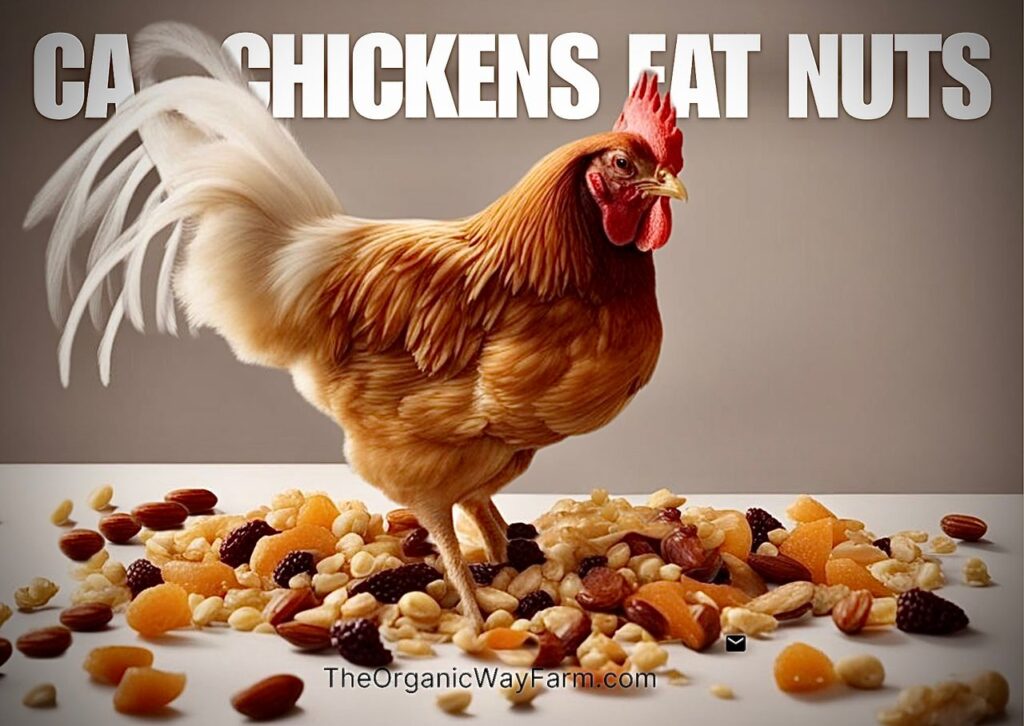
If you have ever considered what to feed your chickens, you might be wondering “Can chickens eat nuts?” You’re not alone in this curiosity! Many chicken owners want to provide their feathered friends with a varied diet to keep them healthy and happy.
The simple answer is yes, chickens can eat nuts, but there are a few things we need to keep in mind. Not all nuts are equally beneficial, and moderation is key. While nuts can be a great addition to our chickens’ diet, we want to ensure we’re doing it safely and healthfully.
Keep reading to explore how nuts can benefit our chickens, how much to feed them, and what types of nuts are best for our feathery friends. It’s going to be an interesting journey into the world of chicken nutrition!
- Can Chickens Eat Nuts?
- How Much Nuts Can Chickens Eat?
- Best Way to Feed Nuts to Chickens
- Benefits of Feeding Nuts to Chickens
- Risks and Dangers of Feeding Too Much Nuts to Chickens
- Substitutes for Nuts
Let’s get started!
Can Chickens Eat Nuts?
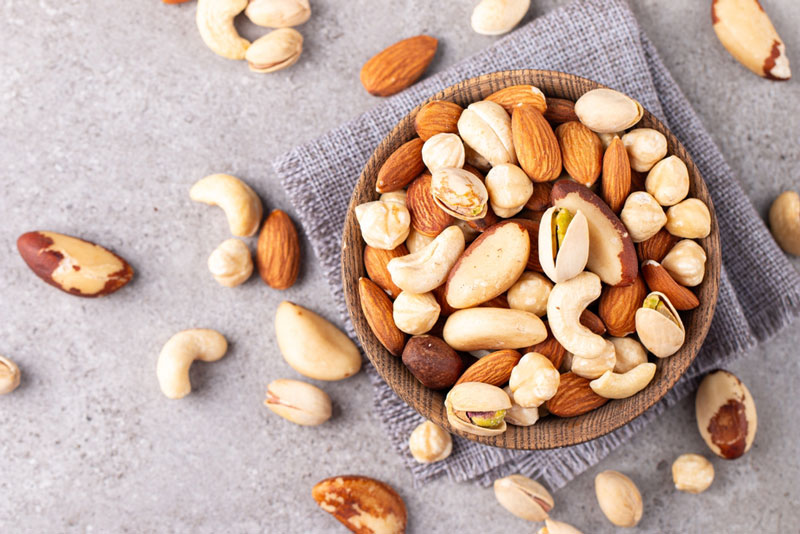
Chickens can indeed eat nuts, and they often enjoy the taste and texture of many varieties. However, not every type of nut is suitable for our feathered friends, so careful selection is necessary. Nuts provide healthy fats, protein, and various nutrients, which can enhance the overall diet of our chickens. But before we toss a handful of nuts into their coop, let’s take a moment to consider what types of nuts are appropriate and which should be avoided.
Common nuts that chickens can safely consume include almonds, peanuts (which are actually legumes), and walnuts. These nuts can provide nutritional benefits, along with a tasty treat for our chickens. However, certain nuts, such as macadamia nuts, should be completely avoided as they are toxic to birds, and thus, chickens should never eat them. We should always be cautious and aware of what nuts we choose to feed our chickens.
You might also be intrested in: Can Chickens Eat Peanuts?
How Much Nuts Can Chickens Eat?
When it comes to how much nuts chickens can eat, moderation is essential. Nuts are high in fat and energy, which is great for providing our chickens with the energy they need, especially during colder months. However, too many nuts can lead to obesity and other health problems. A good rule of thumb is to treat nuts as a snack rather than a staple in our chickens’ diet.
We can offer a handful of nuts a few times a week. It is also a good idea to chop larger nuts into smaller pieces to make them easier for our chickens to eat. Offering nuts as a treat after they have eaten their regular feed ensures they are getting a balanced diet while enjoying the occasional delicacy.
In summary, we want our chickens to enjoy the benefits of nuts without overindulging. Keeping the portion sizes small will ensure our flocks stay healthy while also enjoying this tasty treat.
Best Way to Feed Nuts to Chickens
Feeding nuts to our chickens can be a delightful experience for both them and us! There are a few recommended ways to do this. Firstly, as mentioned earlier, it’s best to chop larger nuts into smaller pieces to avoid any choking hazards. Small chickens, especially, can have difficulty eating larger nuts, so they should always be taken into account when feeding.
One popular method is to scatter the chopped nuts throughout the chicken coop or run, encouraging our chickens to scratch and peck for their food. This not only helps them engage in their natural foraging behavior but also gives them some mental stimulation as they search for the tasty treats.
Another great way to serve nuts is to mix them into their regular feed. This can be done by crushing the nuts into smaller bits and mixing them in their feeder. This method ensures that every chicken gets a taste while still being nourished by their primary food source. Remember to monitor how quickly the nuts disappear from the feeder to know how much they’re enjoying it!
Overall, feeding should be fun and enriching for our chickens. We should be creative and use a variety of feeding techniques to keep things exciting!
Benefits of Feeding Nuts to Chickens
Hydration
Though nuts are not the first choice for hydrating our chickens, they can offer some moisture if they are combined with other food sources like fruits and vegetables. Keeping our chickens well hydrated is essential for their health. We could complement their diet with fresh fruits that contain high water content, such as watermelon or cucumber. This can help ensure they receive proper hydration along with the benefits provided by nuts.
Fiber
Nuts can provide a good source of fiber in our chickens’ diet too. Fiber is essential for digestion, helping to keep our chickens’ digestive systems running smoothly. A proper balance of fiber in their diet can prevent constipation and promote overall gut health. In combination with other high-fiber foods, like leafy greens or vegetables available in our garden, nuts can be a beneficial addition.
Vitamins and minerals
Nuts come packed with various vitamins and minerals that can promote better health in our chickens. For example, almonds are high in vitamin E, which serves as an antioxidant, while walnuts are rich in omega-3 fatty acids. Including such nutrient-dense foods in their diet can support stronger immune systems and improve overall vitality. It’s rewarding to know that by providing nuts, we are helping our chickens become stronger and healthier!
Mental stimulation
Feeding our chickens nuts can also provide them with mental stimulation. When we offer nuts as a treat and encourage foraging behavior, our chickens engage their minds and bodies, reducing boredom and promoting well-being. This can be especially valuable, especially for those of us with backyard flocks that may have limited space to roam.
Nutritional breakdown of nuts
Understanding the nutritional breakdown of nuts can help us make well-informed decisions about what to feed our chickens. For example, almonds contain protein, healthy fats, and important minerals like magnesium and phosphorus. Peanuts are protein-rich and contain valuable amounts of niacin and folate. Walnuts are also high in heart-healthy fats and beneficial nutrients. By selecting suitable nuts, we can support our chickens’ overall health.
In conclusion, while nuts are not the sole nutrition source we should provide for our chickens, the various benefits they can offer make them an enjoyable and healthy treat as part of a balanced diet. Thus, being mindful of our choices enables us to explore diverse options and help our flock thrive!
Dangers of Feeding Too Much Nuts to Chickens
While nuts have their benefits, we should also be aware of potential risks. One of the most significant concerns is the high-fat content of nuts. As much as chickens enjoy the taste, eating too many can lead to obesity. As caretakers, it’s essential for us to maintain a proper balance and to ensure that our chickens are not overly indulging.
Another risk to be cautious about is the specific types of nuts we feed. For example, as we mentioned before, macadamia nuts are toxic to birds, including chickens. Always be diligent to confirm what varieties are safe, and never assume all nuts are the same. Additionally, some nuts may be salted or flavored, and these should be completely avoided as the added ingredients could be harmful.
Another factor to think about is allergies. Nuts can cause allergic reactions in some birds, just like in humans and other animals. Though this might not be common, we should introduce nuts slowly and monitor our chickens for any unusual symptoms.
In conclusion, while offering nuts can be beneficial, we must remain vigilant about the amount we provide, the specific types of nuts chosen, and any potential adverse reactions that our chickens may have. By being mindful, we can help our chickens enjoy the rewards while minimizing risks.
Can Chickens Eat Nuts? Substitute
In case we want to limit nuts or avoid them altogether, there are several fantastic alternatives we can consider for our chickens. We could look into using seeds or certain grains, which can provide a similar texture and nutritional value without the high fat content nuts carry. For example, sunflower seeds and pumpkin seeds are both similar to nuts and can serve as healthy treats.
Another great substitute is fresh fruits and vegetables. Fruits such as berries, melons, and apples can add much variety to our chickens’ diet. Leafy greens like kale or spinach are also excellent for health benefits and oral pleasure. These options can offer plenty of nutrients and can often be found in our own backyards or local markets.
In conclusion, while nuts can be a delightful treat for our chickens, alternatives exist if we choose to avoid them due to any concerns. By being creative and thoughtful in our choices, we can ensure our chickens enjoy a well-rounded diet while maintaining their health!
Can Chickens Eat Nuts? Frequently Asked Questions
Are nuts a common food for chickens?
Nuts are not a common staple in chickens’ diets; instead, they are considered a treat. Chickens usually have a diet consisting mainly of grains, seeds, and vegetables.
Can chickens eat nut butter?
Nut butter can be given to chickens, but it should be unsweetened and offered in very small amounts. Observe their reaction to ensure they do not have any allergic reactions.
How can I tell if my chickens like nuts?
If they eagerly peck at nuts or seem excited when they see them, it is a good sign that they enjoy the taste. Monitoring their behavior can help you assess their preferences!
Can all breed chickens eat nuts?
Generally, all breeds of chickens can eat nuts with the same precautions. However, small breeds may need their nuts crushed or chopped for easier consumption.
Are certain nuts better than others for chickens?
Certain nuts, such as almonds and walnuts, are better options than others. Always avoid toxic nuts such as macadamias, and choose unsalted, plain varieties for their health.
Final Thoughts
In summary, offering nuts as a treat to our chickens can be both enjoyable and beneficial for their diet when delivered correctly. As we monitor their intake, staying mindful about the quantity and kind of nuts is crucial for maintaining their health. If we do choose to substitute nuts, there are numerous healthy alternatives available, like seeds, grains, fruits, and vegetables. This diversity keeps things interesting, ensuring our feathery friends are healthy and happy!
As you continue your journey with your chickens, consider exploring more topics on what other healthy foods they can enjoy, such as grapes, broccoli, or even bananas. Happy feeding!