
If you have a backyard full of chickens, it’s always fun to explore what treats we can share with them. One question that might pop into our minds is “Can chickens eat mangoes?” This thought isn’t uncommon as many chicken owners want to ensure their feathered friends are enjoying tasty and healthy snacks!
The answer is YES, chickens can eat mangoes! These juicy fruits can actually be a great addition to their diet, but there are safety measures we should keep in mind. Knowing how to prepare and serve mangoes properly will help prevent any digestive issues and keep our chickens happy and healthy.
Curious to find out how to safely feed mangoes to our chickens and the benefits they can offer? Keep reading, because we will uncover all the details you need to know about mangoes and their role in our chickens’ diet!
- Can Chickens Eat Mangoes?
- How Much Mangoes Can Chickens Eat?
- Best Way to Feed Mangoes to Chickens
- Benefits of Feeding Mangoes to Chickens
- Risks and Dangers of Feeding Mangoes to Chickens
- Substitutes for Mangoes in a Chicken’s Diet
- Frequently Asked Questions
Let’s get started!
Can Chickens Eat Mangoes?
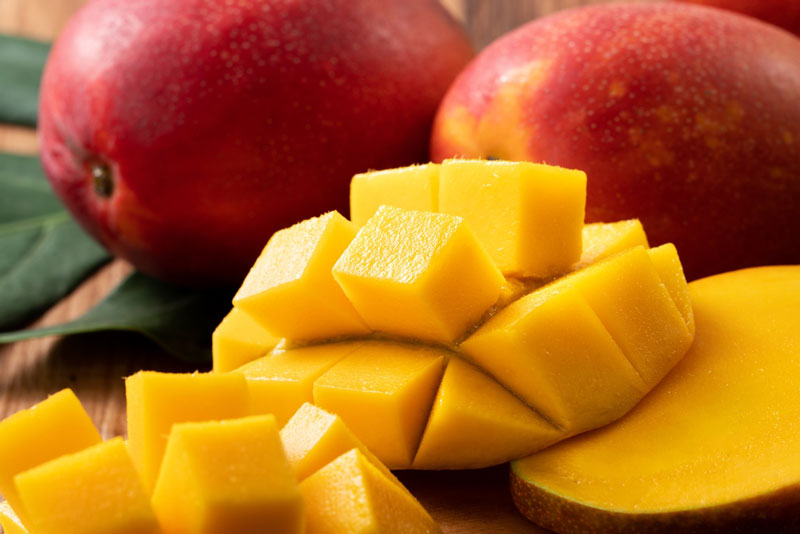
Chickens are omnivores, meaning they enjoy a variety of foods. Mangoes not only attract chickens with their sweet aroma but also provide a great source of nutrition that they can benefit from. When deciding to share this tropical fruit, let’s remember that while most chickens can handle mangoes well, it’s always important for us to be cautious about how we introduce new foods.
Here’s some good news: chickens can eat both the flesh and the skin of mangoes although the skin may be harder for some chickens to digest. We should always ensure that any mango pieces we offer are ripe and cut into manageable sizes for our chickens. Unripe mangoes can be toxic to them, so it’s crucial to avoid feeding any yellow-green fruits. When we do offer ripe mangoes, we give our chickens a delicious snack that comes packed with nutrients.
Feeding mangoes can be a fun bonding experience for us and our chickens! They often go wild over the juicy pieces. Just be sure to observe how they react. Every chicken is unique, and while most will enjoy munching on mangoes, some might not care for them. Always observe their behavior after trying new foods so that we can learn what works best for them.
Many chicken owners note the enthusiasm that their birds show when given mangoes, making it a rewarding experience. This enjoyment enhances their quality of life and can even lead to social interactions among our flock as they compete for their sweet treat. Just remember to limit the quantity to prevent any tummy troubles, and we can provide our chickens with a delightful and nutritious addition to their diet.
You might also be intrested in: Can Chickens Eat Quinoa?
How Much Mangoes Can Chickens Eat?
Like with any new food item, moderation is key. While mangoes are a tasty treat, they should only make up a small percentage of our chickens’ overall diet. Chickens thrive on balanced nutrition, mainly from their regular feed, which contains essential nutrients.
When considering how much mango to offer, we should aim for just a few small pieces. Generally speaking, a couple of tablespoons per chicken once a week is appropriate. This small serving ensures that our chickens can enjoy the sweetness of mangoes without overwhelming their digestive system with too much sugar or fiber all at once.
As we introduce mangoes into our chickens’ diet, we should keep a close eye on their overall health. If we notice any signs of digestive upset, such as diarrhea or discomfort, it may be wise to reduce the serving size or eliminate mangoes from their diet altogether. Each chicken is different, and understanding their individual needs is vital.
It’s important to remember that the nutritional content of mangoes varies based on their ripeness. Ripe mangoes are softer and easier for chickens to digest, making them safer to eat. Unripe mangoes have higher levels of toxins which may not sit well with our feathery friends. Always ensure that what we offer is ripe and sweet.
We can keep track of how our chickens react to the mangoes we offer, customizing the serving size so that they remain healthy and happy. If we have a flock of several chickens, we can begin with just one or two to see how things go before moving on. We can gradually increase the amount over time as they begin to accept it.
The key takeaway here is to monitor our chickens’ health closely when introducing any new treat, mangoes included. Enjoyment should not come at the cost of well-being, and careful observation will guide us in determining what works best for our feathered friends.
Benefits of Feeding Mangoes to Chickens
Feeding mangoes to our chickens can be enjoyable if we know the best ways to prepare and serve them. As with any other food, we want to ensure that our chickens have a safe and pleasant eating experience.
First, wash the mangoes thoroughly to remove any pesticides or chemicals. After washing, we can peel the mangoes. While chickens can eat the skin, peeling it is sometimes easier for them. Then, slice the mango into small, bite-sized pieces. This makes it easy for our chickens to pick them up and ensures that the fruit is manageable for them to eat.
When offering mangoes, timing can make a difference. Chickens are most likely to engage with new foods during the day when they are active. We can either place the mango pieces on the ground as a snack or try hanging them in a feeder to encourage foraging behavior. Chickens love to scratch and peck, so hanging food can provide some entertainment while they enjoy their treat!
Another exciting option is to mix mango with other treats or their regular feed. We could mash up some ripe mango and mix it in with their feed for a flavorful twist! This way, our chickens can enjoy the benefits of mango while still receiving a balanced diet.
We should try to offer mangoes on days when we know our flock will be particularly active or curious. This can maximize their interest and ensure that they enjoy their fruit without it going to waste.
Setting up a regular feeding schedule may also be beneficial. We can designate one or two days a week for special treats like mangoes. This routine provides our flock with something to look forward to while minimizing the risk of them overindulging.
Lastly, always ensure clean water is available after feeding mangoes. This helps keep our chickens hydrated and aids in digestion. Watching them run around and enjoy their mango treat will make all the effort worth it! Let’s keep sharing the joy of mango treats safely and responsibly with our flock.
Benefits of Feeding Mangoes to Chickens
Hydration
Mangoes have high water content, making them an excellent choice for hydration in our chickens, especially during hot summer months. Keeping our chickens hydrated is crucial for maintaining their health. Hydration plays a significant role in egg production and overall well-being. So providing fresh fruits like mangoes can help our chickens stay cool and refreshed during sweltering days.
Fiber
Mangoes offer a good source of dietary fiber, which can contribute to our chickens’ digestive health. Pink and orange fruit typically contains both soluble and insoluble fiber. This is essential for keeping their digestive systems moving smoothly and helps in preventing issues like constipation. Regular access to fiber-rich foods promotes healthy digestion and gut function in our poultry.
Vitamins and minerals
This bright and delicious fruit is overflowing with vitamins and minerals. Mangoes are loaded with vitamin A, which supports eye health, and vitamin C, which helps boost immune systems. Keeping our chickens’ immune systems strong can fend off sickness and keep them laying eggs regularly. These vitamins and minerals create balanced diets that help ensure our chickens remain robust and vibrant.
Mental stimulation
Providing mangoes as treats invites our chickens to explore and engage with their environment. Chickens are intelligent creatures that require stimulation to keep boredom at bay. The act of foraging for pieces of mango can create excitement as they hunt for their treats. This experience can enhance their overall happiness and reduce stress within the environment.
Nutritional breakdown of mangoes
Knowing what exactly is in mangoes can help us understand why they are good for our chickens. A single mango contains around 150 calories, 1 gram of protein, and about 39 grams of carbohydrates. The natural sugars present in mango are balanced out by their fiber content. When we consider these numbers, offering a few pieces as a treat can be quite beneficial without overwhelming their diets.
Dangers of Feeding Mangoes to Chickens
While mangoes are generally safe for chickens to consume, there are always a few risks associated with feeding them to our birds. One important aspect is the sugar content. Mangoes are sweet fruits, and excessive sugar can cause complications such as obesity and other health issues. It’s essential for us to monitor the amount we offer to prevent overindulgence.
Another danger is the potential for digestive upset from unripe mangoes. Unripe mangoes can lead to stomach issues, and they should always be ripe before serving. We must be careful and selectively choose the mangoes we feed to our chickens.
Also, when providing mango skin, it can be tough and challenging for chickens to digest. If a chicken consumes a lot of fibrous skin, it may lead to blockages. To avoid this, it’s generally best to peel the mangoes before serving.
Another factor to consider is allergies. While rare, some chickens may have sensitive stomachs and could react negatively to the new fruit. Always start with small servings, and monitor how chickens respond after eating mangoes. If there are signs of distress, it might be best to discontinue serving mangoes altogether.
Lastly, we should watch for any changes in behavior, especially after introducing new foods, as this could indicate any underlying issues. As responsible chicken owners, we should prioritize their health and safety above all else.
Substitutes for Mangoes in a Chicken’s Diet
If we find that our chickens do not enjoy mangoes or if we need an alternative, there are plenty of super tasty treats we can provide. Many fruits and vegetables are nutritious and can be just as appealing to our chickens. For example, fruits like bananas, blueberries, and strawberries are all excellent substitutes and can be a hit among our feathered friends!
Bananas can provide a similar sweetness while being rich in potassium, which supports heart and digestive functions in our chickens. Blueberries not only boast antioxidants but also have similar hydration properties to mangoes. Strawberries, on the other hand, offer a delightful and refreshing treat that chickens seem to love.
When considering vegetables for substitute treats, carrots and cucumbers often maintain high appeal to our flock. The crunchiness of these vegetables keeps them engaged while ensuring they receive essential nutrients. Many of these options can easily be found at local grocery stores or within our gardens.
Trying out alternatives can be fun! Let’s experiment with our flock to see which fruits or veggies they enjoy the most. A diverse diet can also help keep our chickens healthy and satisfied while supporting their overall well-being.
Frequently Asked Questions
Can all chickens eat mangoes?
Most chickens can safely eat mangoes, but it’s essential to introduce the fruit gradually and watch for any signs of allergies or digestive upset in an individual chicken.
Can baby chickens eat mangoes?
Chicks are usually fed a specialized feed to support their growth. While the occasional tiny piece of mango may not harm them, it’s best to stick with their specially formulated food until they are older.
How should I prepare mangoes for my chickens?
Wash the mangoes, peel them, and cut them into small, manageable pieces for easy eating. This ensures our chickens can safely enjoy the fruit without any trouble.
What are the signs that my chicken didn’t like mangoes?
If our chickens show disinterest, refuse to eat the mango bits, or exhibit signs of digestive upset, it indicates they might not have enjoyed their treat.
Can I mix mango with other foods?
Absolutely! Mixing mango with their regular feed or other safe treats can be a great way to provide a balanced diet along with some tasty variety.
Final Thoughts
Feeding our chickens mangoes can be a delightful experience for both us and them. This sweet, juicy fruit offers various benefits alongside a few risks that we must remain mindful of. By being cautious and monitoring our chickens’ reactions, we can ensure they enjoy the treat safely.
Exploring other delicious options for our flock doesn’t hurt either! Our chickens can thrive on a variety of fruits and vegetables. If you’re interested in learning more about what other tasty treats we can share, be sure to check out our guides on grapes, tomatoes, and bananas!
Let’s enjoy experimenting with different foods, understanding our flock’s needs, and creating a healthy and happy environment for our chickens!