
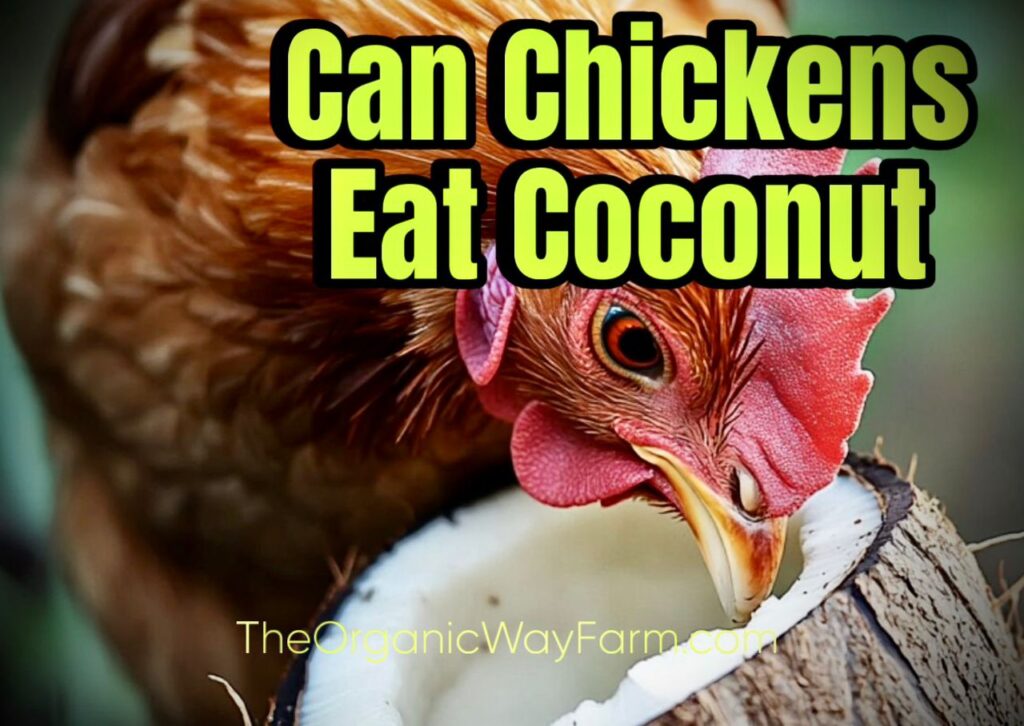
If you are a chicken owner, I’m sure you want to give your beloved birds the best treats. One question we often ask ourselves is, “Can chickens eat coconut?” It’s a great question that many people have! Chickens are naturally curious and love trying new things, but not every food is safe for them.
The good news is YES, chickens can eat coconut! It’s nutritious and can provide several benefits to your feathered friends. However, there are some important points to consider about how to safely incorporate this tropical treat into their diet.
So, stay tuned as we explore everything you need to know about feeding coconut to chickens. From the right amount to give, the best ways to serve it, benefits, risks, and more, we’ve got you covered.
- Can Chickens Eat Coconut?
- How Much Coconut Can Chickens Eat?
- Best Way to Feed Coconut to Chickens
- Benefits of Feeding Coconut to Chickens
- Risks and Dangers of Feeding Coconut to Chickens
- Substitutes for Coconut in a Chicken’s Diet
- Frequently Asked Questions
Let’s jump right in!
Can Chickens Eat Coconut?
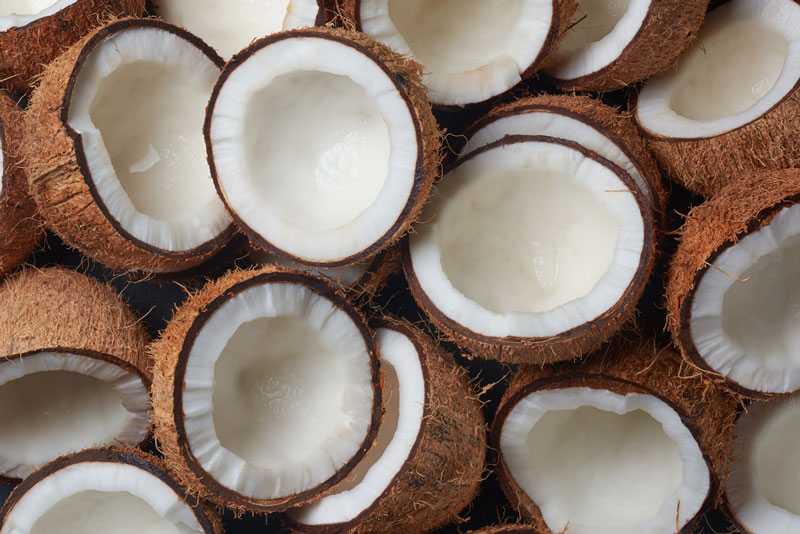
Coconut is a delicious tropical fruit that many people enjoy. But we might wonder, is it safe for chickens? The answer is indeed yes! Chickens can eat fresh coconut meat, coconut milk, and even dried coconut. The tasty, chewy texture can be an exciting addition to their diet. Coconut is packed with healthy fats, which can provide energy and nourishment for our bustling chickens.
However, we must be cautious about how much we give them. Too much coconut can lead to digestive issues, so moderation is key. When we introduce a new food, we should do it slowly, so their digestive systems have time to adjust.
When feeding coconut, we should opt for unsweetened and untreated coconut. Sweetened varieties often contain sugar and preservatives that aren’t good for chickens. It’s always best to provide them with natural foods that they would find on a tropical island, enjoying the taste while keeping them healthy.
Another aspect to think about is whether we should give them raw or cooked coconut. Raw coconut is generally the best choice, as cooking can change its nutritional profile and may not sit well with our chickens’ stomachs. In its raw form, it retains the most nutrients and provides a enjoyable experience for our birds.
You might also be intrested in: Can Chickens Eat Collard Greens?
How Much Coconut Can Chickens Eat?
Determining how much coconut to offer our chickens is an important part of maintaining their health. It is advisable to treat coconut as a snack rather than a main dish. A small piece, about one to two tablespoons per hen per week, is a good starting point. This amounts to a nice treat that won’t overwhelm their digestive system.
When we offer new foods, we should watch how the chickens react. If they seem to enjoy it and experience no stomach upset, we can gradually increase the amount. Yet, if any signs of distress arise, such as diarrhea or lethargy, we should cut back. Offering coconut too frequently may lead to a disruption in their regular diet, as they may fill up on treats instead of their balanced feed.
Another good idea is to mix coconut into their regular food for variety. Adding a small amount to their grain can entice even the pickiest eaters. That way, they benefit from the extra nutrients while still getting their essential vitamins and minerals from their main diet.
Understanding the right amount gives us confidence in providing this delightful treat to our flock. Mixing moderation with careful observation helps keep our chickens happy and healthy!
Best Way to Feed Coconut to Chickens
Feeding coconut to our chickens can be a fun experience! To keep it simple for us and enjoyable for our birds, there are several ways we can prepare and serve coconut. The choice can depend on what type of coconut we have on hand and what our chickens seem to prefer.
One option is to simply offer small chunks of fresh coconut meat. Chickens love pecking at things, so placing the pieces in their coop or run can stimulate their natural foraging behavior. Another approach could be blending coconut into their feed. Just a small amount mixed in can add flavor and entice them to eat!
If we are using dried coconut, it is crucial to ensure there are no added sweeteners or preservatives. Give it to them in moderation, as dried treats are calorie-dense. Slicing it into tiny bits makes it easier for them to consume.
Coconut milk can also be a delightful addition to their diet. We can offer it in small bowls as a drink or pour it over their regular food. However, remember that coconut milk should not replace water. Chickens need to stay hydrated, and fresh water should always be available.
Offering coconut periodically keeps their diet interesting. Just like us, chickens enjoy variety in their meals. Experimenting with different ways of providing coconut allows us to see what our chickens love most!
Benefits of Feeding Coconut to Chickens
Hydration
In warm weather, keeping our chickens hydrated is essential. Coconut can help with that! The water content in coconut helps support a chicken’s hydration needs. Coconut water, which is the liquid inside the coconut, is full of electrolytes, making it a refreshing treat on hot days. When we can provide hydration through fun food, it encourages our chickens to stay hydrated without forcing them to drink.
Fiber
Coconut is also a good source of dietary fiber. Fiber is vital for chickens’ digestive systems, especially since it aids in keeping their guts healthy. A healthy gut can aid in better nutrient absorption and overall well-being. The fiber in coconut can support healthier droppings and digestion, ensuring our flock is thriving.
Vitamins and minerals
This tropical fruit contains several vitamins and minerals that benefit chickens’ health. Coconut meat is rich in vital nutrients including magnesium, potassium, and copper. These minerals can support heart health and healthy bones. When we provide diverse food options like coconut, we contribute to our chickens’ overall nutritional intake, leading to healthier, happier birds.
Mental stimulation
Eating coconut can also provide mental stimulation for our flock. Offering them different foods can enhance their foraging behavior, challenging them to explore and discover tasty surprises. Keeping our chickens mentally active helps reduce boredom and promote a happier environment. Happy chickens lay better eggs and enjoy life more!
Nutritional breakdown of grapes
The nutritional benefits of coconut are just one of many fruits we can consider including in our chickens’ diets. When we think about variety, we can reflect on the nutritional breakdown of other foods like grapes. Just as grapes offer healthy sugars and vitamins for our chickens, coconut provides essential fats and hydration. Each addition to their diet contributes to a balanced nutritional intake needed for vibrant health.
Dangers of Feeding Coconut to Chickens
While coconut offers numerous benefits, there are also risks and potential dangers involved with feeding it to chickens. One of the most significant concerns is its high-fat content. Although healthy fats provide energy, too much can lead to obesity in chickens. An overweight chicken can face problems with egg production and overall health. We should monitor portion sizes and frequency to prevent weight gain.
Another consideration is that some chickens might be allergic to coconut. If a chicken shows signs of discomfort after trying coconut, discontinue its use immediately. Watching for symptoms such as vomiting, lethargy, and changes in droppings helps us determine if they are reacting negatively.
We should also avoid giving chickens sweetened coconut. The added sugars and preservatives can harm their health. Sticking to pure, natural coconut while feeding treats is always a safer option.
Lastly, introducing new foods too quickly can upset their digestive systems. Always ensure to start small when offering coconut to prevent gastrointestinal distress. Understanding these risks keeps our chickens safe and healthy, so monitoring their response becomes essential.
Substitutes for Coconut in a Chicken’s Diet
If we are hesitant about feeding coconut to our chickens, there are plenty of safe substitutes available! Many fruits and vegetables we can include in their diet provide similar benefits. Sweet fruits like bananas or grapes can be offered as alternatives, keeping the fun going as we offer variety.
Leafy greens are another excellent substitute for coconut. Chickens love munching on greens like kale or spinach, as these provide numerous vitamins and minerals, just like coconut. Plus, greens are a fantastic source of hydration as well.
Seeds can be a fun treat too! Offering sunflower seeds or pumpkin seeds will keep their energy high and can provide healthy fats in a more familiar format.
When we are looking for variety in our chicken feed, exploring safe substitutes expands our perspective on suitable treats. Always aim to keep their diet interesting while focusing on nutrition.
Can Chickens Eat Coconut? Frequently Asked Questions
Is it safe to feed coconut to all types of chickens?
Yes, coconut is safe for most types of chickens when given in moderation. Always observe reactions first.
Can chickens eat dried coconut?
Yes, but ensure it’s unsweetened and given in limited amounts due to its calorie density.
How often can chickens eat coconut?
Chickens can have coconut once a week as a treat to ensure balance in their diet.
What parts of coconut can chickens eat?
Chickens can safely consume the meat, dried flakes, and coconut milk. Avoid the hard shell.
Can coconut help with chickens’ hydration?
Yes! Coconut water is hydrating and refreshing, especially during hot weather.
Final Thoughts
Feeding coconut to our chickens can be fun, nutritious, and beneficial in many ways! Encouraging them to enjoy fresh foods and ensuring a balanced diet promotes healthier birds leading to better egg production. When we consider portions and observe their reactions, we can introduce exciting new flavors into their lives.
Coconut is just one of many delightful treats we can add to our flock’s diet. If you are looking for even more variety, be sure to consider other fruits and vegetables that are safe for our feathered friends, such as watermelon and carrots. Happy feeding, and let’s keep our chickens happy and healthy!