
If you’re curious about whether our feathered friends can enjoy a tasty morsel of bacon, you’re certainly not alone! A lot of chicken owners wonder what treats they can share with their chickens. After all, who wouldn’t want to spoil their flock from time to time?
So, can chickens eat bacon? The short answer is yes, but with some important points to consider. Chickens can technically eat bacon, as it is a source of protein. However, bacon is high in fat and sodium, both of which are not particularly healthy for our chickens in large amounts.
Now, before we dig deeper into bacon and all the things we need to keep in mind, let’s explore a few related questions that will help us understand how to treat our chickens better. We will cover topics like the proper amounts of bacon, the best ways to feed it, its potential benefits, risks, and suitable substitutes.
- Can Chickens Eat Bacon?
- How Much Bacon Can Chickens Eat?
- Best Way to Feed Bacon to Chickens
- Benefits of Feeding Bacon to Chickens
- Risks and Dangers of Feeding Bacon to Chickens
- Substitutes for Bacon for Chickens
Let’s explore these questions together!
Can Chickens Eat Bacon?
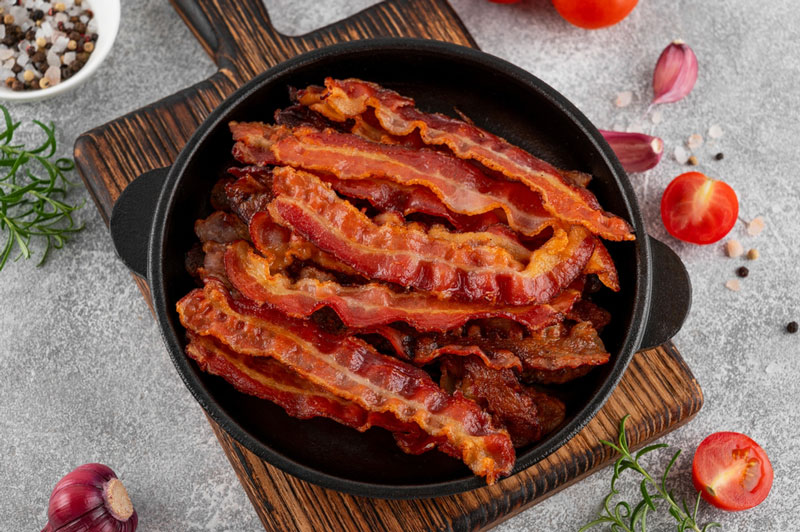
Let’s address the primary concern. Yes, chickens can eat bacon. They are omnivores, which means their diet can include grains, seeds, vegetables, and even meat! Bacon is undoubtedly meat, and chickens will enjoy the taste. However, it’s important to think carefully and understand the nutrition behind the food we offer them. While it’s tempting to share our leftover bacon with our chickens, we need to be cautious.
Bacon contains a high amount of fat, which might seem appealing but isn’t great for chickens. Too much fat in their diet can lead to obesity and other health problems. Chickens thrive on a balanced diet primarily made up of grains and greens, with occasional treats to keep them happy and healthy. Understanding the impact of feeding chickens excessive amounts of fat is vital to their overall well-being.
You might also be intrested in: Can Chickens Eat Raw Meat?
How Much Bacon Can Chickens Eat?
Now that we know chickens can eat bacon, let’s consider how much they should have. Moderation is the key here. While half of a strip of bacon may seem like a treat, it may not be the best option for our chickens. Experts generally recommend that treats should not make up more than 10 percent of a chicken’s daily diet. This means, if you’re tempted to share a slice of bacon with your chickens, it should be offered sparingly.
One or two small pieces of bacon every once in a while could be acceptable, but offering it frequently or in large quantities can lead to problems. The salt content in bacon can also dehydrate chickens; hence they might need extra fresh water if they’re given bacon. This can lead to sodium overload, which can cause more serious health concerns.
So, in short, while it’s delightful to treat our chickens, let’s step back and consider what they truly need. Always keep their main diet in mind and think of bacon as a rare nugget of joy rather than a regular meal item.
We want our chickens to be as healthy as possible, and that means being smart about what we give them. In the case of bacon, less truly is more!
Best Way to Feed Bacon to Chickens
When introducing bacon into a chicken’s diet, it’s essential to think about the best way to serve it. Chickens can be very picky eaters, and how we present food can greatly influence how much they enjoy it. The best strategy for feeding bacon to chickens is to ensure it is cooked and cut into small pieces. Cooking the bacon makes it easier for our feathered friends to chew and digest, and it also kills any harmful bacteria that might be present in raw meat.
After cooking, make sure to allow it to cool completely. Chickens can be sensitive to hot foods, and serving bacon while it’s still warm could risk burning their tongues or throats. Once cooled, cut the bacon into tiny bits — a small piece will go a long way, helping to prevent them from getting too much fat at once.
Instead of simply throwing the bacon into the run, consider offering it in a fun and interactive way. Scatter the pieces around their area to encourage them to forage and hunt. Chickens love to peck, scratch, and explore their environment, and this will help keep them mentally stimulated. Treats like bacon can create excitement, adding more joy to their day!
In addition, try mixing the bacon pieces in with their regular feed once in a while. This way, they’ll get used to the flavor and feel special as they enjoy little treats in their meals. Always keep an eye on how much bacon they consume; we want to strike a good balance and keep their health at the forefront of our minds.
Benefits of Feeding Bacon to Chickens
Hydration
Bacon, when given sparingly, can contribute to hydration levels in chickens. This is primarily due to its fat content, as fatty foods can sometimes help maintain moisture. Be mindful of hydration, especially during hotter weather; ensure that there is plenty of fresh water available to drink, particularly if bacon is being introduced into their diet.
Fiber
While bacon may not be the fiber supper we think of, the fibers contained in the foods accompanying it can be beneficial. Bacon can encourage hens to consume more of their regular feeds, which are often high in fiber and support a healthy digestive system.
Vitamins and minerals
Chickens enjoy a balanced diet abundant in vitamins and minerals. Although bacon doesn’t offer a healthy mix of vitamins, it might entice chickens to try new foods that are packed with nutrition alongside it. Utilize this as an opportunity to introduce vegetables or grains!
Mental stimulation
Feeding chickens bacon can also provide mental stimulation. Introducing new foods can break the monotony of their regular diet, keeping them mentally engaged. It adds variety to their day, which is vital for their mental health. Chickens are curious creatures, and new treats will allow them to exercise their natural instincts while keeping them engaged.
Nutritional breakdown of bacon
In understanding the balance of feeding bacon to our chickens, it’s insightful to think about the nutritional breakdown of bacon itself. While bacon is high in protein, its saturated fats and sodium levels should always be considered. Only small amounts should be offered as a treat. The goal is to keep our chickens healthy and happy.
Dangers of Feeding Bacon to Chickens
Although bacon can be enjoyed in moderation, it is essential to be aware of the risks involved. As mentioned earlier, bacon is high in fat and sodium, which can lead to dehydration and obesity if consumed excessively. These health risks are significant factors to consider in a chicken’s diet.
Beyond the immediate risks of high salt and fat, there are also long-term concerns to keep in mind. A diet high in unhealthy foods can lead to various health issues, such as heart disease and high blood pressure in chickens. This is not what we want for our lovely feathered friends.
Low-quality bacon that contains preservatives or chemicals can also create digestive disturbances in chickens. Always ensure that the bacon you offer is of good quality and free from harmful additives. If introducing new treats, always keep a close watch on their health to look for any adverse reactions.
Pay close attention to the behavior of your chickens, especially after introducing bacon into their diet. Any signs of distress or unusual behavior after feeding should prompt a review of their bacon intake. Being observant and responsive to their needs is an excellent approach to raising happy, healthy chickens.
Let’s always prioritize their health and happiness while giving them a chance at delightful treats. Moderation will set the pace for our approach to treats like bacon!
Substitutes for Bacon for Chickens
If we believe that bacon might not be the best fit in our chickens’ diet, it’s worth considering healthier alternatives. We should look at healthier protein sources that offer similar benefits without the drawbacks that bacon can bring.
Some great options include cooked eggs, which are packed with protein and essential nutrients. Chickens can enjoy a scrambled egg or two from time to time, offering them a delicious treat that they will eagerly appreciate. These alternatives can help prevent any health concerns associated with bacon while still adding protein to their diets.
Another option could be mealworms or earthworms. These natural sources of protein can be incredibly nutritious for chickens, offering them an enriching source of food that is more in line with natural foraging behaviors. Providing mealworms also promotes curiosity and active foraging behaviors.
In addition, consider offering other meats like lean chicken or turkey scraps as treats. Just be cautious with cooked bones, as they can splinter and cause harm. Always ensure any meat given to chickens is cooked through and free from seasoning or additives.
Can Chickens Eat Bacon? Frequently Asked Questions
Can chickens eat bacon every day?
Feeding bacon every day is not recommended due to its high-fat content and sodium levels. It’s best to offer it as an occasional treat.
Is any type of bacon safe for chickens?
Cooked bacon that is plain and free from preservatives is the safest choice for chickens, as long as it’s offered in moderation.
Can baby chicks eat bacon?
It is better to avoid feeding bacon to baby chicks. Their diets should be high in nutrients and properly balanced for their growth.
Can chickens eat raw bacon?
Raw bacon should not be provided to chickens, as it may contain harmful bacteria. Always cook the bacon thoroughly before serving.
What treats do chickens like the most?
Chickens typically enjoy fruits, greens, and grains as treats. Foods like grapes, berries, and leafy greens can be excellent choices!
Final Thoughts
In our quest to pamper our chickens while keeping their health in mind, moderation is essential. Bacon can bring joy to our flocks, but let’s remember to offer it carefully. By understanding the risks, benefits, and alternatives to bacon, we can keep our feathered companions thriving.
For more information on what chickens can eat, feel free to explore topics like grapes, cheese, and avocado. Let’s keep learning together to ensure our chickens are happy, healthy, and well-fed!