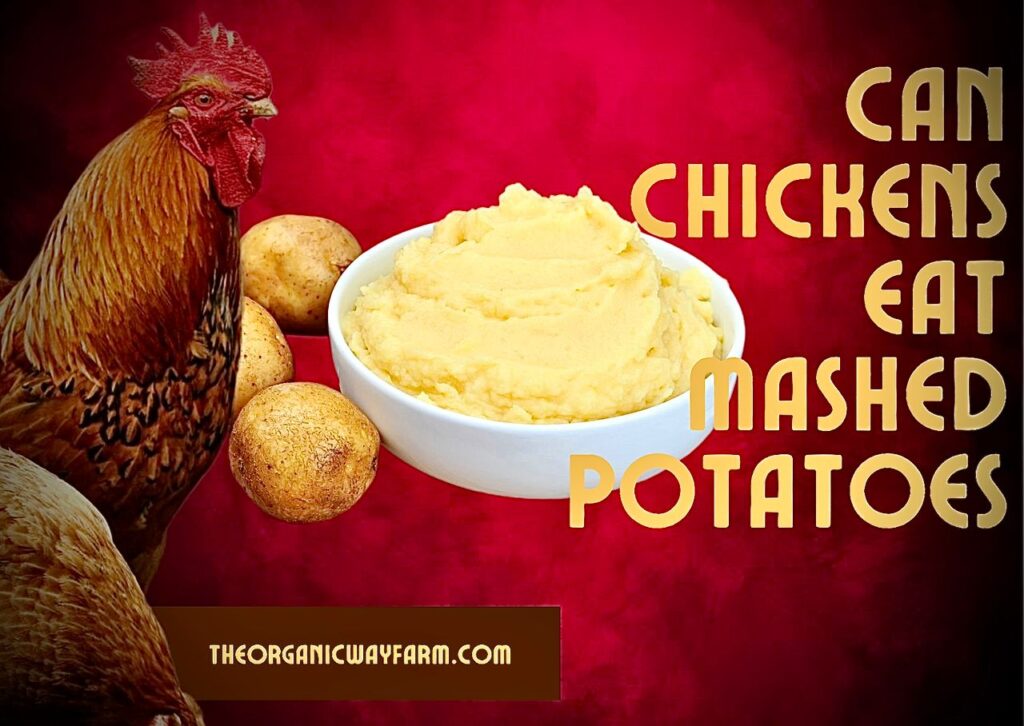
If you have chickens, you might sometimes find yourself wondering, “Can chickens eat mashed potatoes?” You’re definitely not alone in this inquiry! Many chicken owners ask this question because they want to ensure their feathered friends have a safe and nutritious diet. Chickens, being opportunistic eaters, may enjoy a variety of foods, and mashed potatoes often come to mind as a comforting treat we tend to enjoy ourselves.
The short answer is YES, chickens can eat mashed potatoes, but there are some important things to keep in mind. Just like with anything else we share with our pets, moderation and thoughtful preparation play a big role in keeping our chickens healthy. While they might enjoy the soft texture and taste of mashed potatoes, it’s important to understand how and when to serve this dish to them.
Keep reading to discover how to safely feed mashed potatoes to your chickens, what benefits they can gain from this food, and some potential dangers to be aware of. We’re here to sort through all the information you need.
Can Chickens Eat Mashed Potatoes?
Chickens are known for their diverse diet. They can nibble on grains, seeds, insects, and even some fruits and vegetables. When it comes to mashed potatoes, they can indeed be enjoyed by chickens but not all preparations are safe for them. When feeding chickens, it is crucial to provide cooked potatoes. Raw potatoes, particularly the green ones, contain solanine, which can be harmful to chickens. Cooking potatoes neutralizes this toxin, making them safe to eat. But, before we serve mashed potatoes, there are guidelines to follow to ensure our feathered friends are not only enjoying their food but also benefiting from it in a healthy way.
Mashed potatoes can serve as a source of carbohydrates for chickens. The soft texture of mashed potatoes makes it easier for chickens to consume, especially for older birds or those with certain health conditions. As with any treat, those mashed potatoes should complement their primary diet of high-quality poultry feed. Treats should only account for about ten percent of their overall diet. If we stick to this rule, we can give our chickens a delightful treat without compromising their health.
You might also be intrested in: Can Chickens Eat Sweet Potatoes?
How Much Mashed Potatoes Can Chickens Eat?
When it comes to serving mashed potatoes, moderation is key. Chickens enjoy food, and they might gobble up more than we intend to give them. Aim to serve just a small portion of mashed potatoes as a treat. This could be a few tablespoons per chicken, depending on their size and other foods you are offering. Since they are relatively high in carbohydrates, we don’t want to replace their balanced poultry feed with mashed potatoes. Les is more, as always when it comes to their health!
For those of us with a small flock, we might wish to see how our chickens react to mashed potatoes. Some chickens may take to this food immediately, while others may need a little encouragement. When introducing a new food, it’s always good to start with a small serving. Monitoring how many they eat is a smart move; we can always adjust future portions based on their response and woolly-beak enthusiasm. We also want to keep in mind any potential weight issues among the flock. If any chicken appears to gain excess weight, we may want to reconsider what foods we are offering.
The best time to offer mashed potatoes would be during treats time or as supplementary feeding in the afternoons, when chickens often begin to seek something new after a long day of clucking and foraging. This approach allows us to experiment and enjoy their cheerful reactions without compromising their primary diet. Through trial and careful observation, we can figure out the right amount and frequency for our chickens.
Especially for those of us with free-range chickens, managing the right portions keeps them from overeating and maintains balance. It can take a few tries to find the right amount that satisfies but doesn’t overindulge. In time, we can get this down to a fine art!
Best Way to Feed Mashed Potatoes to Chickens
As we consider how to prepare mashed potatoes for our chickens, let’s keep it simple and safe! Start by cooking the potatoes thoroughly. Boiling or steaming them works well. It’s essential to avoid using any added ingredients such as butter, milk, or seasoning. These extras are great for us, but they can upset the delicate digestive systems of our chickens.
Once those potatoes are cooked and mashed down to a creamy consistency, we can allow them to cool before serving them to our flock. Hot food is not ideal for chickens, so remember to cool these tasty morsels first! When we are ready to serve, a good idea would be to place the mashed potatoes in a shallow bowl or dish, making it easier for the chickens to reach. As they gather around, we can enjoy watching them feast happily!
Avian friends are often drawn to the textures and flavors of their food, so serving mashed potatoes in this simple manner will keep them engaged and make it a fun social activity. We can also mix in some grains or a bit of clover if we want to create a more exciting meal for them!
Cooking for chickens can be a creative and fulfilling experience. Seeing the joy in their little eyes as they indulge in tasty treats is a rewarding experience that we can cherish! Planning to bring them delicious foods can help in building a loving bond through feeding rituals and ensures they receive the extra nutrition they may need.
Additionally, we should clean any leftovers after the chickens are done feasting. We do not want these scraps lingering around as they may attract pests or rodents. Keeping our feeding area clean is essential in maintaining good health for our entire flock. Let’s be thoughtful chicken parents by keeping everything clean while ensuring they enjoy their healthy treats!
Benefits of Feeding Mashed Potatoes to Chickens
Hydration
Among the benefits of mashed potatoes, one major advantage is hydration! While potatoes are mostly starch, they do contain moisture, which can be beneficial for our chickens, especially on warm days. As we all know, properly hydrating chickens helps them stay cool and healthy. While food made with ingredients that contain higher water contents like watermelon become our go-to treat during hot weather, mashed potatoes can offer some hydration as well.
Fiber
Another upside to mashed potatoes is they provide some dietary fiber. Fiber helps in digestion, keeping things moving smoothly in our chickens’ systems. Healthy digestion is key for their well-being, preventing issues such as constipation or diarrhea. So, while mashed potatoes should not be the main source of fiber in their diet, they do contribute positively when introduced in moderation.
Vitamins and minerals
Potatoes contain vitamins and minerals such as vitamin B6, potassium, and vitamin C. Feeding our chickens mashed potatoes means we are also providing various nutrients that can contribute to their overall health. Potassium is an important mineral that supports muscle function and can help regulate blood pressure among our birds. Some studies also suggest that a healthy diet helps chickens produce better quality eggs, and nutrients from mashed potatoes can support that goal while also boosting their immune system.
Mental Stimulation
Chickens are naturally curious creatures, and serving them mashed potatoes can act as a source of mental stimulation. When we present them with new foods, they are encouraged to investigate and interact with their environment. Distributing mashed potatoes creates a fun experience for our chickens, keeping them active and engaged. A well-stimulated chicken is typically less prone to stress and boredom, leading to a happier flock all around!
Nutritional Breakdown of Mashed Potatoes
The exact nutritional breakdown of mashed potatoes can vary based on preparation and the potatoes themselves, but on average, one cup of mashed potatoes contains about 240 calories, 52 grams of carbohydrates, 4 grams of protein, and 2 grams of fiber. For chickens, even a small serving can provide some useful energy. It’s essential to remember that while mashed potatoes can provide various nutrients, they should complement a balanced feed for optimal health.
Risks and Dangers of Feeding Mashed Potatoes to Chickens
While we can enjoy sharing mashed potatoes with our chickens, we need to be aware of potential risks and dangers. Picking the right time to feed treats is essential. Overfeeding can lead to obesity and other health problems for our chickens. This is why we should keep their servings small and use them as occasional rewards rather than a daily diet staple.
Another point to consider is the added ingredients. Mashed potatoes made with butter, cream, or seasoning can be harmful to chickens. Dairy can upset their digestive systems, and many spices can be irritating or even toxic. It’s best to ensure the potatoes are plain, cooked, and cooled before presenting them to our livestock.
In some cases, we should also be cautious when introducing new foods. Keeping an eye on how they react, especially if they are trying mashed potatoes for the first time, can help track potential dietary allergies or sensitivities. If any signs of discomfort arise, such as lethargy or digestive issues, we should immediately withdraw the dish and replace it with their standard feed.
We should heed any advice from veterinary professionals regarding their nutrition. If there’s any uncertainty or concern, seeking out guidance from an expert can help avoid possible risks to our flock. While we conjoin love and fun through feeding, we also want to ensure nurturing and safeguarding their health come first.
Substitutes for Mashed Potatoes
If we’re hoping to explore different foods for our chickens, there are plenty of substitutes we can consider as options! Sweet potatoes, for instance, are a nutritious alternative that many chickens enjoy. They can be boiled, mashed, or baked with the skin removed. Sweet potatoes offer additional vitamins and minerals while giving our chickens an equally delicious treat.
We can also look into serving cooked rice or oats! These grains provide beneficial carbohydrates while adding texture variation that can excite our chickens. Fruits such as mashed bananas or pureed apples can very well serve as other options to offer. Fruits can deliver more moisture and natural sugars, making them a delightful treat alongside their usual feed. As always, introducing each new food should be done gradually, while observing their reactions along the way.
Offering a variety of treats is a wonderful way to keep our chickens engaged and happy while also ensuring that they receive varying nutrients from their diet. Rotating foods can keep things fresh for our birds, allowing us to incorporate vegetables, grains, and fruits into their diet with creativity and joy!
Frequently Asked Questions about Mashed Potatoes and Chickens
Can All Types of Potatoes Be Given to Chickens?
It’s best to stick with cooked potatoes only. Raw potatoes or green potatoes are harmful and should always be avoided.
Are mashed potatoes too rich for chickens?
Mashed potatoes can be rich due to carbs, but when given in moderation, they pose no problems.
Can mashed potatoes be toxic to chickens?
With plain, cooked potatoes, toxicity is not a concern. The danger lies with raw or green potatoes.
Can I feed my chickens leftover mashed potatoes from my dinner?
Only when they are plain and do not contain harmful ingredients like butter or seasoning.
How often can I give my chickens mashed potatoes?
Serving mashed potatoes occasionally as a treat is perfect— about once a week works well!
Final Thoughts
Feeding chickens can be incredibly rewarding! Observing them enjoy tasty treats like mashed potatoes brings joy and positivity to our farming experiences. Learning what’s best for their health while also offering them fun delights is within reach when we keep their well-being in mind. We can include mashed potatoes as an enjoyable treat in their diet while being cautious to balance their overall nutrition. As we explore what else we can feed our chickens, remember there are numerous options available, such as grapes, broccoli, or even sweet potatoes. Happy feeding!