
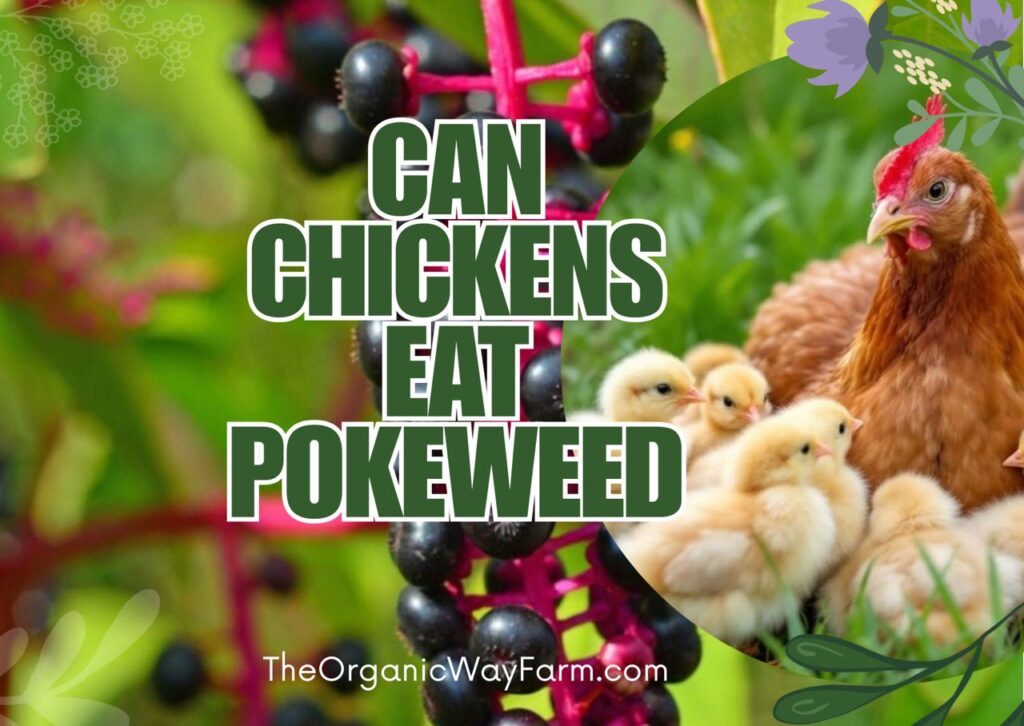
Do you have chickens and are curious about what they can eat? Chickens are known to peck at various types of vegetation, and one question that comes up often is, “Can chickens eat pokeweed?” You’re not alone in wanting to know!
The short answer is NO, chickens should not eat pokeweed. While it might be tempting to let them nibble on what looks like a beautiful green plant, pokeweed is toxic to chickens and most animals. This means that we must be careful about what we allow our feathered friends to consume. So, what happens if chickens do eat pokeweed? What are the alternatives? Together, we will explore all of this and more!
Let’s journey through this essential topic to ensure our flocks are safe and healthy. Just keep reading, as we will tackle various related questions and insights:
- Can Chickens Eat Pokeweed?
- How Much Pokeweed Can Chickens Eat?
- Best Way to Feed Pokeweed to Chickens
- Benefits of Feeding Pokeweed to Chickens
- Risks and Dangers of Feeding Pokeweed to Chickens
- Substitutes for Pokeweed for Chickens
Let’s get started!
Can Chickens Eat Pokeweed?
Pokeweed, also known as Phytolacca americana, is a perennial plant that can be found in many gardens and fields. While it may look inviting with its green leaves and purple berries, this plant contains toxic properties that can harm chickens if consumed. The berries and foliage contain harmful chemicals called saponins and alkaloids, which can lead to severe health issues.
If chickens accidentally ingest pokeweed, they may experience symptoms including difficulty breathing, vomiting, diarrhea, and potentially more severe reactions. In extreme cases, eating pokeweed can even be fatal to chickens. Therefore, as caring chicken keepers, we must make a conscious effort to remove pokeweed from our chicken areas to keep them safe and healthy. Keeping a close eye on the plants in your garden and around your chicken coop can prevent potential issues.
You might also be intrested in: Can Chickens Eat Dandelions?
How Much Pokeweed Can Chickens Eat?
If a chicken consumes a small amount of pokeweed, they may not experience immediate effects, but it is not safe or recommended to let them eat any part of this plant. The toxic compounds present in pokeweed build up over time, so even small exposures can become dangerous. Since chickens are curious animals, they may peck at plants without realizing the risk involved, making it crucial for us to proactively eliminate pokeweed from their environment.
There are many safe alternatives to pokeweed that can be offered to chickens for their foraging enjoyment. Lettuce, kale, and various other greens are far healthier options. Each of these alternatives provides additional benefits without the risks associated with pokeweed. Thus it is essential to focus on safe and nutritious foods while eliminating potential hazards from your chickens’ diet.
It’s also important for us as chicken owners to monitor our flock and take note of any unusual behaviors or signs of distress. When we provide our chickens with a balanced diet, we support their overall health and well-being.
In conclusion, while chickens should never consume pokeweed, understanding the risks and eliminating this plant from their environment ensures that all our flocks remain safe and happy. It’s about keeping our precious birds healthy and thriving in their home.
Best Way to Feed Pokeweed to Chickens
Since pokeweed is not suitable for our chickens, we can focus on healthy feeding practices. Offering a variety of greens and vegetables is vital for their nutritional balance. Providing fresh greens like spinach, chard, and dandelion leaves can give our chickens a rich source of vitamins and minerals.
Also, when choosing how to feed these greens, we can chop them up into smaller pieces. This makes it easier for our chickens to peck at and consume. Another fun way to provide greens is by creating a “foraging box.” This is a container filled with soil, grass, and safe greens like lettuce. It encourages our chickens to scratch, peck, and explore within the area while receiving their nutrients.
Managing how we introduce new foods is also essential. We can start small. We can observe our flock to see how they react to different greens. If a chicken shows interest and enjoys something, we can incorporate it more into their regular feed. It’s all about discovering what our chickens enjoy while ensuring their safety.
We should also make sure they have constant access to clean water. Hydration is essential, especially in warmer months, as this plays a vital role in their health. Alongside their basic feed, offering occasional treats like fruits or vegetables can keep their diet exciting. However, it’s crucial to ensure everything is safe and non-toxic.
Benefits of Feeding Pokeweed to Chickens
Hydration
Hydration is a critical part of chicken care! In summer heat or hot days, we must ensure our chickens have access to fresh water to stay hydrated. Many vegetables, such as cucumbers and watermelon, can help keep them cool and refreshed.
Fiber
Our chickens naturally require fiber in their diet to support healthy digestion. Providing fiber-rich options is essential, as it helps prevent digestive issues. Feed like crushed grains or leafy greens provides essential fiber they need.
Vitamins and Minerals
Offering a variety of fruits and vegetables introduces essential vitamins and minerals into our chickens’ diets. All this contributes to their overall health. Foods like carrots are rich in vitamin A, while greens often include added calcium, necessary for laying hens and strong eggshells. We must remember to give them exposure to these nutrient-rich foods to support their health adequately.
Mental Stimulation
Chickens are intelligent creatures! We can engage their natural instincts for foraging by providing variety in their diets. This not only keeps them occupied and active but also allows them to express their natural behaviors. Exploring new tastes and textures makes eating a more enjoyable activity. We can keep their environment stimulating with edible treats and safe forage plants!
Nutritional Breakdown of Grapes
Grapes can be a great treat for chickens when offered in moderation! They are rich in vitamins and antioxidants while providing hydration. However, we should remove the seeds before giving them to our chickens, as seeds can be harmful. Remember that treats are just that – treats! So we must balance their main diet with these enjoyable extras.
Dangers of Feeding Pokeweed to Chickens
The risks of pokeweed consumption cannot be overstated. Ingestion of pokeweed results in serious health issues, possibly leading to death if not addressed promptly. The primary toxic components are found in the roots, stems, and leaves. Knowing the signs of pokeweed poisoning can help us react quickly to protect our flock.
Symptoms can include nausea, vomiting, diarrhea, and respiratory distress. If we ever suspect a chicken has eaten pokeweed, acting fast is critical. Contacting a vet equipped with poultry experience can help provide the necessary care. Quick intervention can save our chickens from severe consequences.
By staying vigilant and recognizing pokeweed in our yards, we can prevent accidental ingestion. Identifying these plants is essential so we can take proactive measures. Regularly inspecting our chicken coop and free-ranging areas can help keep our chicken flock safe.
In conclusion, risks associated with pokeweed are significant. Learning to identify and safely manage the threats keeps our feathered friends secure and healthy.
Substitutes for Pokeweed for Chickens
Given the dangers of pokeweed, it is paramount for us to explore safe and healthy alternatives for our chickens. We can rely on various other plants and fruits that provide nourishment without the risks. Options include lettuce, kale, and spinach – all excellent sources of vitamins and nutrients!
Another fun idea is to create fruit and vegetable gardens specifically for our chickens. This allows them to forage for safe plants while we can monitor their safety. These gardens can be a source of various nutrients that keep their diet vibrant, engaging, and exciting!
We can also consider commercial chicken feed formulated specifically for different stages of a chicken’s life. The key is to keep their diet balanced! Whether they are chicks, pullets, or mature hens, ensuring they have the right nutrients fosters growth and health. Helping our chickens thrive and encouraging their curiosity ensures they remain safe and happy.
Offering fresh produce as treats creates opportunities for nourishing and fostering mental engagement. We can continually introduce variety. Making their meals enjoyable is an excellent way for us to promote healthy habits.
Can Chickens Eat Pokeweed? Frequently Asked Questions
Can all chickens have pokeweed?
No, pokeweed is toxic to all chickens, and they should never consume it!
What should I do if my chicken eats pokeweed?
If you suspect that your chicken ingested pokeweed, contact a veterinarian to seek prompt care and advice.
Are there any signs of pokeweed poisoning I should look for?
Look for symptoms such as vomiting, diarrhea, or difficulty breathing. Seek help quickly if these symptoms appear.
What other plants are safe for my chickens?
Safe plants include lettuce, kale, dandelion greens, and many fruits such as apples and berries!
Can chickens eat pokeweed if it is cooked?
Cooking does not make pokeweed safe for consumption. It is always best to avoid it entirely.
Final Thoughts
Maintaining a safe and healthy environment for our chickens is essential for our feathered friends’ well-being. Pokeweed poses significant risks, and learning to identify and exclude poisonous plants from their diet is crucial for happy and thriving chickens. Providing nutritious, safe alternatives allows us to foster healthy habits in our flocks while keeping their meals fun and engaging.
Want to learn more about suitable treats and how to care for chickens? We encourage you to check out our articles on grapes, bananas, and broccoli. Let’s continue to explore together all about keeping our chickens safe and healthy!