
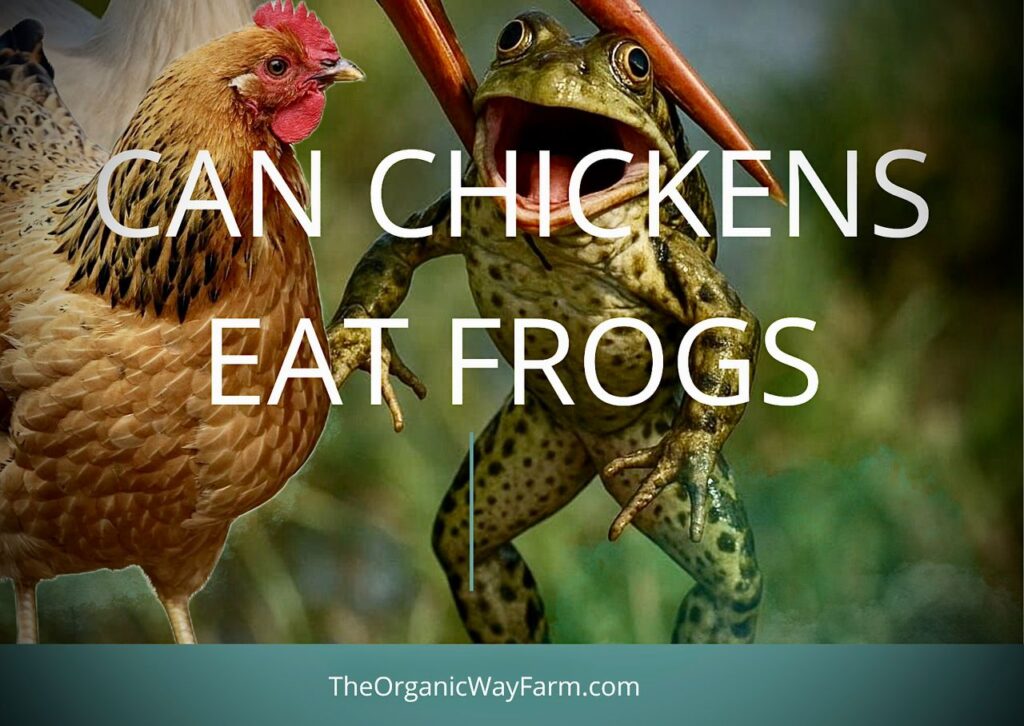
If you have a flock of chickens, you are likely curious about what they can eat. Chickens are known to be foragers, and they enjoy a variety of foods. So, can chickens eat frogs? This is a question many chicken owners ask, and today, we are going to explore that topic in detail.
The short answer is YES, chickens can eat frogs. Frogs can be a part of their diet as they provide protein and some other nutrients. However, there are certain considerations to keep in mind, like how to serve them safely and the possible risks involved.
We’ll explore the different aspects of feeding frogs to chickens, including how much to give, the best ways to feed them, the benefits, and potential risks. Together, we will ensure that we are making the best choices for our feathered friends.
- Can Chickens Eat Frogs?
- How Much Frogs Can Chickens Eat?
- Best Way to Feed Frogs to Chickens
- Benefits of Feeding Frogs to Chickens
- Risks of Feeding Frogs to Chickens
- Substitutes for Frogs for Chickens
- Frequently Asked Questions
Let’s explore each topic together!
Can Chickens Eat Frogs?
As previously mentioned, chickens can indeed eat frogs. Frogs are a source of protein, which is essential for chickens’ growth and health. Chickens, being omnivores, will eat both plant-based foods and animal protein, including insects and small creatures like frogs. This natural foraging behavior is not just enjoyable for them; it helps provide a balanced diet. However, the type of frogs and how they are prepared can impact whether they are safe for consumption.
Frogs that are wild-caught can carry certain bacteria, parasites, or toxins, depending on their environment. Therefore, it is crucial to ensure that the frogs are sourced from a clean environment if we intend to feed them to our chickens. Farm-raised frogs are generally safer, but we must still exercise caution as with any new food we introduce to our chickens.
You might also be intrested in: Can Chickens Eat Maggots?
How Much Frogs Can Chickens Eat?
When considering feeding frogs to our chickens, the question of quantity comes into play. Moderation is key. Chickens do not need to rely on frogs as a main food source, but a small amount can be included occasionally. We recommend starting with a few small frogs to observe how our chickens react to this new treat.
If our birds seem to enjoy the frogs and have no adverse reactions, we might gradually increase the amount. However, it is advisable to keep the intake low to ensure they maintain a balanced diet that includes their regular feed. This prevents any nutritional deficiencies that may arise if they consume too many frogs or other treats.
As a general rule, treats should make up no more than 10% of a chicken’s daily diet. Therefore, if we feed frogs, it should only be as a rare addition complemented by their usual balanced ration. Keeping an eye on their health will also ensure they are thriving and not having any digestive issues.
It’s exciting to see how our chickens engage with new foods, but let’s always remember the importance of a balanced diet.
Best Way to Feed Frogs to Chickens
Now that we know chickens can eat frogs, it’s time to talk about how to prepare and feed them correctly. The safety of our chickens is always a priority, so we should take some precautions before handing over any frogs.
Begin by ensuring that the frogs are properly cleaned. This means removing any dirt or contaminants, as chickens can be sensitive to that. We can even cook the frogs briefly, which may help kill certain bacteria or parasites that might be harmful.
Once the frogs are cleaned or cooked, we should cut them into small pieces. Chickens tend to prefer food that is bite-sized. By doing this, we not only make it easier for the chickens to eat but also lower their chances of choking.
We can introduce frogs to our chickens as a standalone treat or mix them with their regular feed. Mixing the frogs can make it more appealing and help chickens ease into new food without too much hesitation. Encourage them to forage and scratch in their food, as this is natural behavior that keeps them active and healthy.
It is crucial to always monitor how our chickens react to this food. If they seem to enjoy the frogs and show no signs of illness, we can carry on safely. However, if any adverse reactions are noted, we should stop feeding frogs immediately and consult a veterinarian.
Benefits of Feeding Frogs to Chickens
Hydration
One significant benefit of feeding frogs to chickens is hydration. Frogs contain a good amount of water, which can help keep our chickens hydrated, especially during hot summer days. When chickens stay hydrated, they are less likely to suffer from heat stress and can maintain peak productivity.
Fiber
Another advantage is fiber. Frogs, like many proteins, have some fiber that can contribute positively to our chickens’ digestive health. Fiber assists in proper digestion and can help prevent issues like constipation.
Vitamins and minerals
Frogs can also provide essential vitamins and minerals. These nutrients support overall health and well-being. When chickens get a balanced array of nutrients, they tend to be more energetic, healthier, and produce better eggs. For us as farmers, it’s rewarding to see our flock thrive.
Mental stimulation
Providing new and diverse foods like frogs can stimulate our chickens mentally. Just like humans, chickens enjoy variety in their diets and can become bored without it. Feeding frogs encourages them to forage, engage in natural behaviors, and prevents them from becoming lethargic.
Nutritional breakdown of frogs
The nutritional breakdown of frogs includes protein, fat, and some vitamins. Frogs are primarily composed of water and lean muscle, which can be a valuable source of low-fat protein for our chickens. This means their energy levels can stay high, which is especially beneficial during laying seasons.
Risks of Feeding Frogs to Chickens
Despite the benefits, there are risks associated with feeding frogs to our chickens. One major concern is the potential ingestion of toxins. Some frogs, particularly those that are not farm-raised, can carry toxins that may harm our chickens. It is essential to be aware of which species can be dangerous and to avoid them at all costs.
Another risk involves bacteria and parasites. As mentioned before, wild frogs can harbor harmful pathogens. When feeding frogs, we must ensure everything is adequately cleaned and sometimes cooked to reduce harmful bacteria that can be introduced to our flock.
Overfeeding is another aspect to consider. If we allow our chickens to consume frogs too often, this could lead to an unbalanced diet and nutritional deficiencies or excesses. We must ensure they enjoy frogs as an occasional treat rather than a regular part of their diet.
As responsible chicken owners, we should remain vigilant and knowledgeable about the foods we choose to offer them. Balancing treats, including frogs, with their primary feed helps our chickens thrive and stay healthy.
Substitutes for Frogs for Chickens
If we are concerned about the potential risks of feeding frogs, or if we do not have access to clean or safe frogs, there are plenty of alternatives we can offer our chickens. Insects like mealworms and crickets are nutritious and widely regarded as safe food for chickens. They provide similar protein content and encourage the natural foraging behavior our chickens enjoy.
We can also explore other protein-rich treats such as cooked eggs, fish, or lean meats. These foods can be introduced with the same care we would apply when feeding frogs while offering variety in their diet.
Vegetarian options such as legumes, seeds, and grains can also provide necessary nutrients and are usually safe. Chickens thrive on a balanced diet that includes various foods, so we should embrace that diversity.
Can Chickens Eat Frogs? Frequently Asked Questions
What kind of frogs can chickens eat?
Chickens can eat many frog species, but it is best to Stick with farm-raised frogs or ensure that wild-caught frogs are safe and free from toxins.
How should frogs be prepared for chickens?
Frogs should be cleaned and cut into small pieces. Cooking them can be beneficial, although it is not strictly necessary.
Are there any toxic frogs?
Yes, some species of frogs can be toxic. It is best to Research frog species and avoid any that are known to be harmful.
Can chickens get sick from eating frogs?
Yes, they can if the frogs are contaminated with harmful bacteria or toxins. Always monitor the health of your chickens after introducing new foods.
What are good alternatives to frogs?
Good alternatives include mealworms, crickets, cooked eggs, or lean meats. These options also offer protein without the potential risks of feeding frogs.
Final Thoughts
Feeding frogs to our chickens can be an exciting venture that provides nutritional benefits and keeps them entertained as foragers. The key is moderation, proper preparation, and awareness of any health risks. By ensuring that we offer a balanced diet, we can help our chickens remain healthy and productive.
If you enjoyed learning about frogs, don’t hesitate to check out more surprising treats that our chickens can enjoy, such as grapes, celery, and pineapples. Together, let’s provide our feathered friends with a delightful variety of foods for their health and happiness.