
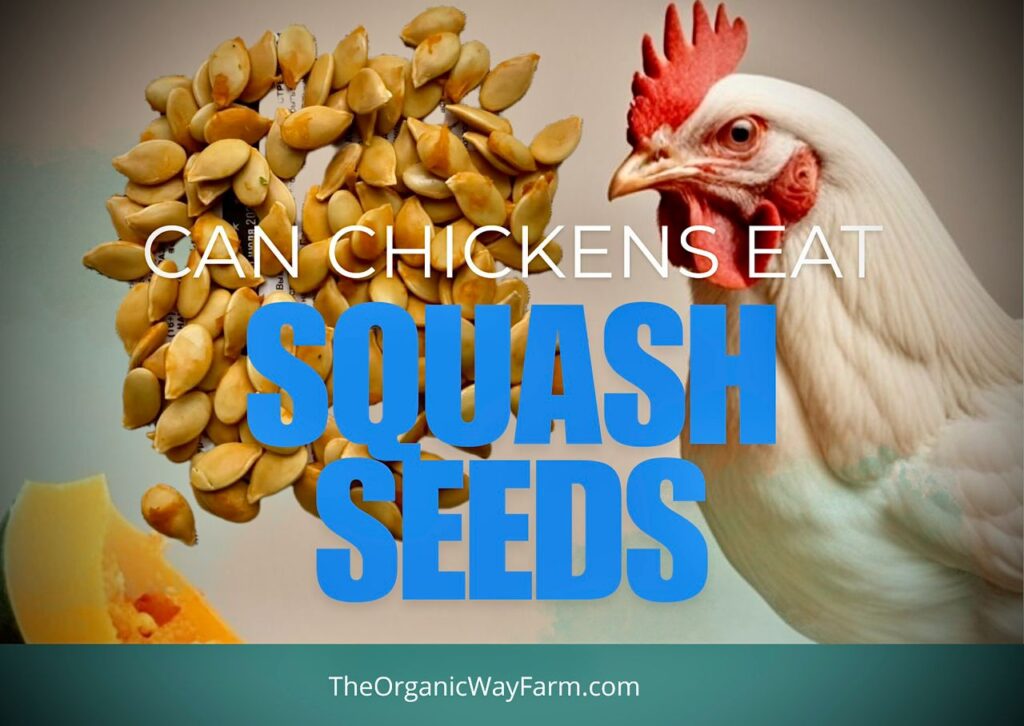
If you are a chicken owner or are just curious about what chickens can eat, you might be wondering whether chickens can eat squash seeds. Many of us enjoy growing squash in our gardens or buying them from the store, so it’s natural to think about sharing these vegetables with our feathered friends.
The good news is that chickens can eat squash seeds! They are not harmful and can actually provide some nutritional benefits. Squash seeds are rich in healthy fats, which can be beneficial for chickens. Of course, like anything, moderation is key. It’s essential to know how much of it is safe for our chickens.
Stick around as we explore various aspects of feeding squash seeds to our chickens. We will uncover the many benefits, potential risks, feeding methods, and more. There is a lot to learn, and we are here to share it with you to keep our flocks healthy and happy.
- Can Chickens Eat Squash Seeds?
- How Much Squash Seeds Can Chickens Eat?
- Best Way to Feed Squash Seeds to Chickens
- Benefits of Feeding Squash Seeds to Chickens
- Risks and Dangers of Feeding Squash Seeds to Chickens
- Substitutes for Squash Seeds
- Frequently Asked Questions
Let’s get started!
Can Chickens Eat Squash Seeds?
There is a common question among chicken owners: can chickens enjoy squash seeds? The answer is yes! Chickens can safely consume squash seeds. They are not toxic or harmful to them in moderation. Chickens are omnivores and have diverse diets, so they can handle various foods, including seeds. When we grow squash in our gardens, it’s a good idea to use all parts of the vegetable, including the seeds, when we are done cooking.
Squash seeds come in two main categories: the seeds from summer squash and those from winter squash. Both types are safe for chickens. They can be offered whole or can be ground into smaller pieces. Smaller pieces are easier for chickens to eat, especially if they are not used to consuming seeds. If our chickens are just starting to eat squash seeds, we can introduce them gradually to maintain a healthy and balanced diet.
Furthermore, squash seeds are packed with healthy fats, proteins, and essential vitamins that contribute to our chickens’ overall health. Seeds can help promote healthy plumage and even better egg production in hens when included in their diet. Let’s take a closer look at portion sizes to ensure we are feeding our chickens the right amount of squash seeds.
C
How Much Squash Seeds Can Chickens Eat?
Feeding our chickens squash seeds is beneficial, but moderation is key. It is essential to control the amount of seeds we offer to our feathered friends. We can think of squash seeds as a treat or supplement to their usual diet. Ideally, treats like squash seeds should only make up about 10 percent of our chickens’ total diet.
A small handful of seeds per chicken a few times a week is a good start. If we have multiple chickens, we can adjust the amount accordingly. Observing how our chickens react to the seeds is important; they might need some time to get used to this new addition. When introducing squash seeds or any new food, we can offer them gradually, starting with a few seeds and watching how they respond.
Chickens have unique digestive systems that allow them to tolerate different food varieties. However, suddenly introducing too many seeds or making significant changes to their diet can lead to digestive issues. If we notice any signs of discomfort or unusual behavior in our chickens after feeding them squash seeds, we should reduce the intake a bit and consult an expert or veterinarian if necessary. We must always prioritize our chickens’ health and well-being.
Best Way to Feed Squash Seeds to Chickens
Now that we know chickens can eat squash seeds and how much is appropriate, let’s discuss the best way to feed them. There are a few different approaches we can take to give our chickens a delightful and nutritious experience with squash seeds.
One way to feed squash seeds is to offer them directly as they are. We can simply take a handful of seeds and sprinkle them on the ground for our chickens to pick at. This method encourages foraging behavior, which is natural for chickens, allowing them to engage their instincts and search for food. It is enjoyable to watch them peck and scratch around for the seeds.
Another option is to mix the seeds into our chickens’ standard feed. This method allows for a balanced diet, as they will receive their usual nutrients while benefiting from the added vitamins and healthy fats found in the squash seeds. Adding a small amount of seeds to their feed highlights the novelty of the food and keeps mealtime interesting.
If we prefer, we can also grind the squash seeds into smaller bits before feeding them to our chickens. Ground seeds may be easier for our chickens to digest, especially for younger or older ones that might struggle with whole seeds. Grinding them will provide a source of nutrition while ensuring that everyone can enjoy them without any issues.
Additionally, we can consider roasting the seeds lightly before offering them to our chickens. Roasting can enhance the flavor, making them more appealing without losing essential nutrients. However, we should avoid adding any oil, spices, or salt, as these ingredients might harm our feathered friends.
Finding the right method to introduce squash seeds depends on what works best for us and our chickens. Experimenting with different approaches helps to keep things fun and engaging while ensuring our chickens receive proper nutrition. No matter which method we choose, we should always keep a watchful eye on our chickens to observe how they respond to new foods.
Benefits of Feeding Squash Seeds to Chickens
Hydration
Feeding squash seeds to our chickens comes with numerous benefits, one of which is hydration. Squash itself is known for its high water content, and while the seeds are dry, the fresh squash moisture they accompany can help balance chickens’ hydration needs. It’s essential for our chickens to have access to clean drinking water, but pairing squash seeds with fresh squash can help provide additional hydration during warm days.
Well-hydrated chickens are generally more energetic and likely to engage in activities like foraging, socializing, and exploring their surroundings. Being well-hydrated contributes to the overall well-being of our flocks. Like any living being, chickens benefit from a balance of moisture to assist with digestion and maintain optimal body function.
Fiber
Another advantage of feeding squash seeds to our chickens is the fiber content. Fiber is crucial for maintaining healthy digestive systems. Just like humans, chickens require fiber to support digestion and promote gut health. By providing squash seeds and ensuring they eat a varied diet that includes fruits and vegetables, we can help eliminate waste efficiently while ensuring our chickens receive a necessary balance of nutritional value.
The fiber content in squash seeds may help reduce the risk of conditions such as impacted gizzards and constipation. When we see our chickens consuming a healthy amount of fiber-rich foods, it’s exciting to note how their energy levels improve, positively contributing to egg production. Healthy hens lay more consistent eggs over time.
Vitamins and Minerals
Squash seeds are not just high in fiber; they also contain essential vitamins and minerals that are beneficial for our chickens. These nutrients are key to the development of strong bones, proper growth, and optimal immune function. Vitamins such as vitamin E, B vitamins, and various minerals contribute positively to the overall health of our birds. Including seeds in their diets is yet another way to boost their nutrition without costly supplements.
Research shows that the vitamins and minerals present in seeds contribute to improvements in feather quality and egg production. When our hens have a healthy diet filled with nutritious seeds, we can see a difference in plump, beautiful eggs with strong shells. When we’re looking after our hens and ensuring they have access to vitamin-rich foods, we know we are doing our part to promote their health.
Mental Stimulation
Aiding our chickens’ mental well-being is just as important as their physical health. Feeding squash seeds can offer mental stimulation and keep them engaged. Chickens are intelligent creatures that thrive on challenges, and searching for seeds creates a fun and interactive experience.
When we scatter seeds for them to find, we encourage natural foraging behaviors. This interaction allows them to explore their surroundings and can help combat boredom. Bored chickens may develop unhealthy behaviors such as pecking or aggressive behaviors toward one another, creating unnecessary stress. By offering enriched feed options, we can help keep them content and happy.
Nutritional Breakdown of Squash Seeds
It is essential to understand the nutritional breakdown of the squash seeds we want to provide. Squash seeds contain healthy fats—primarily polyunsaturated and monounsaturated fats—which can be a great energy source for chickens. These seeds are also rich in proteins that help contribute to muscle development and overall health.
A single ounce of squash seeds typically contains about 10 grams of protein and around 6-7 grams of healthy fats. Additionally, they provide around 30% of their daily fiber needs. The inclusion of squash seeds serves as a protein boost for our birds, especially during growth periods or when they are reproducing. Our chickens will thank us for providing these essential nutrients!
Dangers of Feeding Squash Seeds to Chickens
While there are many benefits to feeding squash seeds to our chickens, we should also be mindful of some potential risks and dangers. It is crucial to keep balance in our chickens’ diets, as too much of a good thing can lead to issues. Overloading our chickens with squash seeds, or any other high-fat food, can result in weight gain or obesity, which can affect their overall health.
Chickens with excessive weight may find it difficult to move around, engage in natural behaviors, and could even face health complications. If we provide squash seeds regularly, we have to maintain moderation to avoid these potential issues. We should be conscious of calorie counts, ensuring treats like seeds don’t exceed the recommended limits in their diets.
Another important aspect is to always check for signs of allergies or digestive problems when introducing new foods like squash seeds. Some chickens may have sensitivities or intolerances to certain food items, so we should always start slow, allowing them time to adjust. If we notice any digestive issues, such as diarrhea or a lack of appetite, it’s best to reduce their intake or consult an expert for further advice.
Substitutes for Squash Seeds
If we find ourselves in a situation where squash seeds are unavailable or we simply want to mix things up, there are various substitutes we can try feeding our chickens. Other seed options like pumpkin seeds or sunflower seeds are nutritious choices that provide similar benefits. They tend to be high in healthy fats, fiber, and essential nutrients that our chickens need to thrive.
Pumpkin seeds, for example, are particularly popular among chicken owners because of their nutritional profile and palatability. Sunflower seeds are another great option and can be offered in whole or shelled form, allowing our birds to enjoy them as snacks.
In addition to seeds, various fruits and vegetables can be entertaining and fulfilling for our chickens. Fresh greens such as kale, collard greens, or even foraged items like dandelions will help diversify their diet while retaining high nutritional value. We can always create a balanced diet by providing a mix of seeds, grains, greens, and carefully-selected fruits.
The goal for us as chicken owners is to maintain variety in our chickens’ diets to promote happiness and health. If we experience any limitations in offering squash seeds specifically, we shouldn’t hesitate to look for alternative nutritious options that our feathered friends will love.
Can Chickens Eat Squash Seeds? Frequently Asked Questions
What type of squash seeds should I offer my chickens?
Chickens can eat seeds from both summer and winter squash varieties. It’s best to clean and prepare them properly. Avoid seeds from any squash type that may be toxic to chickens, such as the seeds from bitter cucurbit plants.
Can I feed squash seeds daily?
Offering squash seeds as a treat a few times weekly is best. We should aim for moderation and ensure that they do not make up more than ten percent of our chickens’ total diet.
What are some signs my chickens are enjoying the seeds?
If our chickens eagerly peck at the seeds and seem excited during feeding time, that’s a good sign! Additionally, they may appear more energetic and engaged with each other.
How should I store squash seeds for my chickens?
It’s essential to store squash seeds in a cool and dry place to maintain freshness. Sealing them in an airtight container can help preserve their quality and prevent the growth of mold.
What if my chickens don’t eat the seeds?
If our chickens seem uninterested in squash seeds at first, we can try mixing them into their feed or offering fresh squash alongside the seeds. Finding the right way to present food can make a significant difference.
Final Thoughts
Feeding squash seeds to our chickens can be a delightful addition to their diet. They bring plenty of benefits like hydration, fiber, vitamins, and entertainment, all while keeping their meals exciting. It’s important to remember to feed these seeds in moderation and complement them with other nutritious food options.
As chicken keepers, our primary goal is to ensure our birds have a well-balanced and enjoyable diet. If you wish to learn more, check out other topics we cover, such as whether chickens can eat grapes or tomatoes. Each new food item we explore can enhance our chickens’ nutrition and overall happiness. Happy chicken-keeping!