
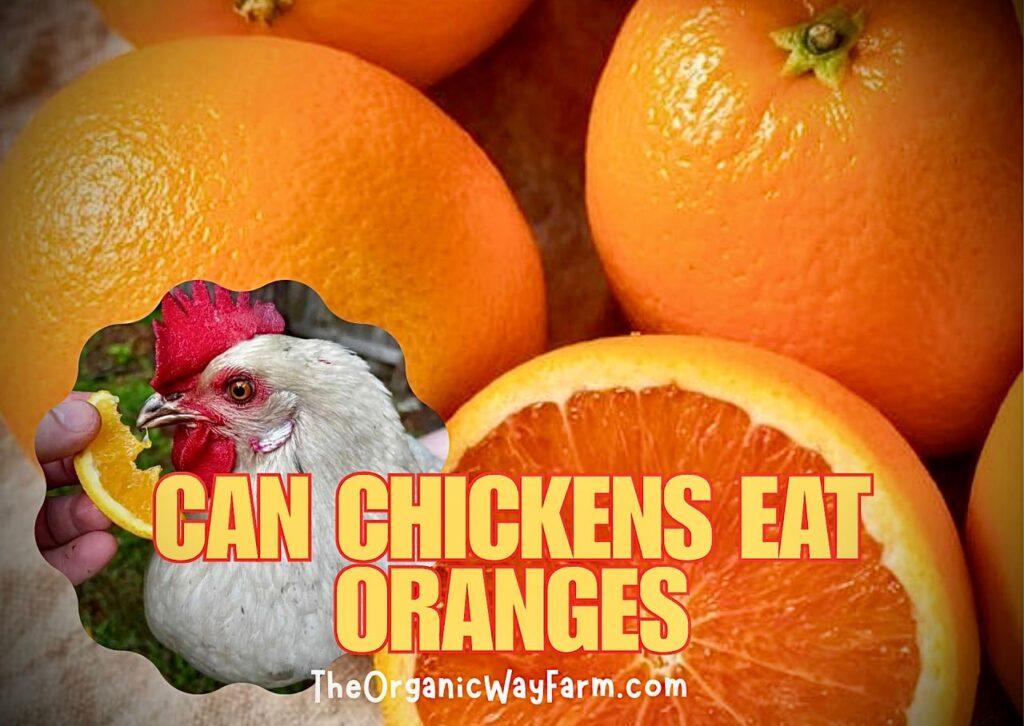
If you have a few chickens at home, you might be curious about their diet and what tasty treats you can offer them. One question that often comes up is, “Can chickens eat oranges?” It’s a common inquiry among chicken owners and enthusiasts alike.
The simple answer is YES, chickens can eat oranges. Just like many fruits, oranges offer a variety of nutrients that can benefit our feathered friends. However, there are some important things to keep in mind regarding their diet. Not all fruits are created equal, and knowing how to properly serve them is key to keeping our chickens happy and healthy.
Keep reading as we explore all aspects of feeding our chickens oranges, including the best practices, potential benefits, and any risks associated with this juicy fruit. We will also touch on substitutes if oranges aren’t available or suitable.
- Can Chickens Eat Oranges?
- How Much Oranges Can Chickens Eat?
- Best Way to Feed Oranges to Chickens
- Benefits of Feeding Oranges to Chickens
- Risks of Feeding Too Much Oranges to Chickens
- Substitutes for Oranges for Chickens
Let’s get started!
Can Chickens Eat Oranges?
Chickens are known for their diverse diet that usually includes grains, insects, and vegetables. Many owners often wonder if they can add fruits, like oranges, to their chickens’ diet. It’s worth noting that oranges, much like other citrus fruits, are high in Vitamin C and provide hydration. While it’s safe for chickens to eat oranges, moderation is vital. Too much citrus can cause digestive upset. Therefore, we want to make sure that oranges are offered as a treat rather than a main food source.
Feeding our chickens oranges can be a delightful experience. Chickens typically enjoy the taste and texture of the fruit. When providing oranges, we should also remember that chickens are omnivores and their diet needs variety to ensure they get the required nutrients. Furthermore, oranges can be a great way to add some flavor into their daily feed.
You might also be intrested in: Can Chickens Eat Lemons?
How Much Oranges Can Chickens Eat?
Understanding portion control is crucial when feeding our chickens oranges. While these fruits are nutritious, they should not become the staple of their diet. A good rule of thumb is to offer a small amount, such as one slice, for every few chickens. A whole orange can become overwhelming and may lead to waste. After all, we want our chickens to thrive, and part of that is ensuring they don’t overindulge in any single food item.
Ample research shows that in addition to enjoying the taste of oranges, chickens can benefit from the fiber content, aiding in digestion. However, this doesn’t mean we should replace their regular feed with oranges. The chickens’ main diet should still consist of grains and quality hen feed. Furthermore, it’s always helpful to monitor their reaction after introducing any new food item, including oranges. If they seem to enjoy it and there are no negative effects, we can continue to offer it on occasion.
Offering oranges too frequently might lead to an imbalance in their diet, especially due to the sugar content found in fruits. It’s all about finding the right balance, so we have to be cautious about the frequency and quantity. Generally, offering a slice of orange once or twice a week should be more than enough to keep our chickens’ curiosity piqued while ensuring their health and happiness.
Best Way to Feed Oranges to Chickens
Feeding oranges to our chickens can be a fun and engaging activity. It’s important to choose the best way to serve them, ensuring that the chickens can easily eat and enjoy the fruit. One of the simplest ways to do this is to cut the orange in half. This allows the chickens to peck away at it, making for some delightful entertainment as they engage with the fruit.
We have to be careful not to give them the peel, as it may be tough for them to digest. Instead, we can always provide the juicy sections so they get the best flavor. Another way to serve oranges is to chop them into smaller pieces. This can also prevent clutter in the coop or the run and makes it easier for all chickens to access the juicy treat.
Creating an environment where our chickens can enjoy their treats is key. For example, we can hang the orange halves from a string or place them in a container. This can encourage foraging behavior, helping to keep our chickens entertained while promoting exercise as they move around.
Feeding our chickens oranges can also serve as an excellent opportunity to have fun and bond with our feathered friends. Involving children or other family members in this treat-giving process can add joy and make it a learning experience about caring for animals. Let’s not forget to keep things clean and ensure that any uneaten portions are removed after a short time, as we want to maintain a healthy environment for our chickens.
Benefits of Feeding Oranges to Chickens
Hydration
One clear benefit of feeding oranges to our chickens is hydration. Chickens need a good amount of water daily, and fruits like oranges, which are made up of a high water percentage, can contribute to their hydration needs. In warm weather, offering juicy fruits can be a delightful way to help our chickens beat the heat. Staying hydrated is essential for our feathered friends as it supports their overall well-being.
Fiber
Another advantage of incorporating oranges into our chickens’ diet is the fiber content. Fiber plays a role in maintaining healthy digestion, which is critical for chickens. It helps to keep their gastrointestinal health in check and promotes regularity. When we ensure chickens are receiving enough fiber, we are setting them up for happier and healthier lives.
Vitamins and minerals
Oranges are a good source of vitamins and minerals, most notably Vitamin C. This vitamin is crucial, especially during times of stress or illness for chickens. Keeping their immune system strong is always something we strive for, and the addition of oranges can provide that extra nutrient boost. By including this vibrant fruit in their diet, we are contributing to a balanced and nutritious approach, ensuring that our chickens receive the goodness they need.
Mental stimulation
Offering oranges is not just about nutrition; it also provides mental stimulation for our chickens. Chickens enjoy pecking and scratching at food, and adding oranges adds variety to their diet. This stimulates their curiosity and encourages natural foraging behavior, which is beneficial for their overall well-being.
Nutritional breakdown of grapes
When considering the nutritional profile of oranges in comparison to other fruits, like grapes, we might find similarities, but with different beneficial aspects. Just like oranges, grapes can be another occasional treat that can add fun to our chickens’ diet.
Risks of Feeding Too Much Oranges to Chickens
While oranges contain beneficial nutrients, it is important to consider potential risks when feeding them to our chickens. Too much citrus can lead to digestive upset. Therefore, moderation is essential. We want to ensure that our chickens do not experience any adverse effects due to overeating a particular food.
Additionally, if we introduce oranges or any new food too suddenly, it may lead to changes in their digestive systems. Gradually adding new items to their diet and observing any reactions is advisable. It’s all about being attentive to our chickens’ needs and reactions. If we see any signs of discomfort or illness after feeding, we should refrain from offering it again.
Another aspect to consider is the sugar content in fruits like oranges. While the sugars present are natural, feeding too many sugary items can lead to health issues in our chickens, just as it can for us. That’s why balancing their diet with grains, seeds, and vegetables is essential.
Finally, we should ensure that the oranges we provide are fresh and safe. Moldy or spoiled fruit can pose serious health risks to our chickens. We want to be diligent about checking any treats we offer them. Creating a habit of inspection ensures that we are providing the best for our avian companions.
Substitutes for Oranges for Chickens
If we find ourselves without oranges or want to switch things up, many other fruits and vegetables can serve as substitutes. For example, apples, bananas, and berries can provide similar benefits and hydration. These fruits can be just as enjoyable and nutritious for our chickens.
Engaging with our chickens means being creative with their diet. Introducing a variety of fruits not only keeps their meals exciting but also enhances their nutritional intake. Another option could be vegetables such as cucumbers and bell peppers. These items can provide hydration and essential nutrients, much like oranges.
It’s also helpful to rotate our offerings to ensure our chickens don’t develop a preference for one type of food over another. This approach helps maintain a balanced diet while keeping our chickens intrigued and satisfied.
Can Chickens Eat Oranges? Frequently Asked Questions
Can all chickens eat oranges?
Yes, all healthy chickens can enjoy oranges in moderation. It’s essential to start small to see how our birds react.
Are orange peels safe for chickens?
While orange peels are not toxic, they can be tough for chickens to digest. It’s better to offer only the pulp.
How often can chickens eat oranges?
Chickens can enjoy oranges once or twice a week, ensuring it remains a special treat.
Can chickens eat dried oranges?
Dried oranges can be given, but watch for any additives that may not be healthy for chickens.
What if my chicken doesn’t like oranges?
Not all chickens have the same tastes. If they are not fans, we can always try different fruits that they may enjoy more.
Final Thoughts
Feeding our chickens oranges can be a fun way to introduce variety and nutrition into their diets. Through understanding how to offer them properly and being mindful of portion sizes, we create a balanced and enjoyable eating experience for our feathered friends. Observing and responding to their reactions allows us to foster a positive environment, making their wellbeing a priority.
For those intrigued by chicken diets, we have other helpful articles about grapes and other fruits that may enhance our chickens’ health. Together, let’s continue exploring ideas that keep our feathered friends happy and thriving. Remember, our chickens are part of our family, and caring for them means doing our best to provide a nourishing and enjoyable diet.
Feel invited to explore other topics on our site for further insights!