
If you are a chicken owner or just someone curious about what these feathery friends can eat, you might be wondering, “Can chickens eat carrots?” This is a common question asked by many chicken enthusiasts. Chickens are generally known to be omnivorous animals, which means they enjoy a variety of foods, including fruits, vegetables, and even grains.
The short answer is yes! Chickens can indeed eat carrots. In fact, carrots can make a delightful and nutritious snack for our poultry friends. However, it is important to know how to prepare them before feeding. Are there any special considerations or methods to ensure they benefit from this vegetable?
Stick around as we explore everything you need to know about feeding carrots to chickens! We will answer questions like how much they can eat, the best ways to serve them, the benefits of including this veggie in their diet, and any potential risks involved. Here’s an overview of what we will cover:
- Can Chickens Eat Carrots?
- How Much Carrots Can Chickens Eat?
- Best Way to Feed Carrots to Chickens
- Benefits of Feeding Carrots to Chickens
- Risks of Feeding Too Much Carrots to Chickens
- Substitutes for Carrots for Chickens
- Frequently Asked Questions
Let’s explore this topic further!
Can Chickens Eat Carrots?
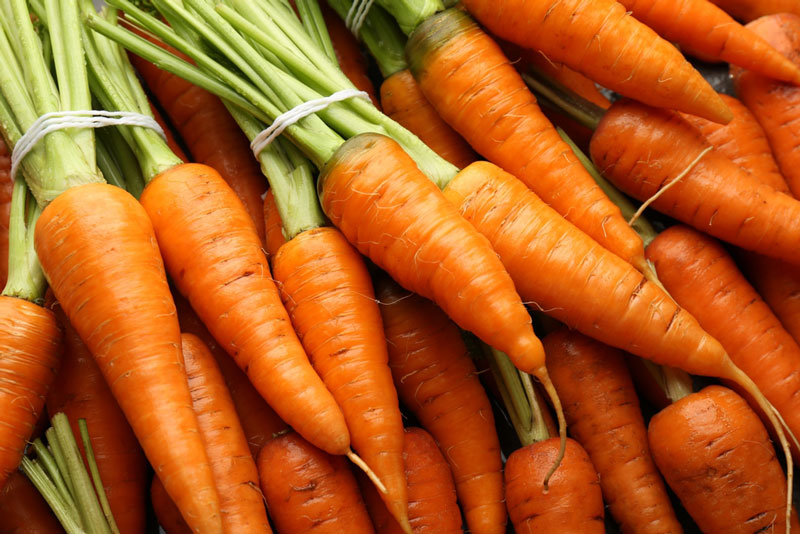
Yes, chickens can eat carrots! This root vegetable is rich in various nutrients and can contribute positively to a chicken’s diet. Just like us, chickens benefit from a varied diet, and carrots can be a great addition. They can eat both fresh and cooked carrots, but there are some considerations when feeding them. For example, whole, large carrots might be too tough for younger chickens or those with weaker beaks. So, it is best to cut the carrots into smaller pieces before feeding them.
Chickens have a natural curiosity and will peck around to try new foods, including carrots. You might find that they enjoy the crunch and sweetness that carrots provide, especially when compared to their regular feed. Therefore, it’s not just about sustenance; it’s also about making chicken feeding enjoyable. So let us encourage our feathered friends to explore the taste and texture of carrots!
Carrots can be fed to chickens raw, cooked, or grated. Raw carrots can retain most of their nutrients, but cooking them can make them softer and easier for chickens to eat. Either way, we are providing a healthy treat for our flock. It’s essential, though, that we don’t overdo it. Moderation is vital to keep our chickens healthy. Make sure to observe how they respond to carrots and adjust as needed.
You might also be intrested in: Can Chickens Eat Mango?
How Much Carrots Can Chickens Eat?
When we consider how much carrots chickens should consume, it’s essential to introduce new foods gradually. Even though carrots are nutritious, they should not be the main component of their diet. Instead, we should treat carrots as a snack or supplement to their usual chicken feed. A quarter of a carrot, chopped into manageable pieces, will typically suffice for a group of adult chickens. For younger chickens, perhaps only one or two slices of carrot will do.
Another key factor in quantity is the size and health of the chickens. Smaller chickens may need smaller portions compared to larger breeds. Suppose your chickens are not accustomed to eating vegetables. In that case, we should introduce carrots slowly into their diet to prevent any digestive issues or upset stomachs.
In terms of frequency, feeding chickens carrots a few times a week can provide variety and nutrition without overloading them on one type of food. Always monitor their reaction. If our chickens finish their carrots eagerly, we can safely feed them more next time. If they seem disinterested, we might want to consider whether they prefer carrots raw, cooked, or shredded.
It’s also wise to complement the carrots with other vegetables like greens, squash, or even peels from fruits and vegetables. This way, we can ensure a balanced intake of vitamins, minerals, and fibers. A diverse diet will help keep our flock healthy and happy.
Overall, while carrots should not be eaten in excess, incorporating them in moderation helps provide a well-rounded diet for our chickens. Considering their health and appetite will keep them lively and thriving!
Best Way to Feed Carrots to Chickens
Feeding carrots to our chickens can be both fun and beneficial if done correctly. As we discovered, the way we present carrots can impact how much our chickens enjoy them. Here are some methods to feed carrots effectively to our flock.
The simplest way is to serve carrots raw. We can wash the carrots thoroughly, cut them into smaller pieces, and let the chickens peck at them. Chickens love to scratch and peck at their food, which makes raw chunks a great option. Make sure they are sliced thin enough for young or smaller chickens to eat comfortably.
If we decide to cook the carrots, we should avoid adding salt, sugars, or any spices. Boiled or steamed carrots can be a soft treat that many chickens enjoy. Cooking can also release more flavors, making the carrots irresistibly tasty. Let the cooked carrots cool down before feeding them to the chickens. Hot food can harm their beaks or mouths.
Grated carrots provide another option. This can be especially effective if we observe that our chickens prefer smaller pieces. Simply using a grater, we can turn raw carrots into thin strips, which are easier for our chickens to consume. Shredding the carrots can also help them see the vibrant color and can entice them to try something new.
An exciting idea is to create a vegetable mix. Mixing carrots with other veggies can create a colorful salad that sparks curiosity among our birds. We can combine shredded carrots with chopped leafy greens, cucumber, or other veggies to offer a broader taste experience.
It is a good plan to monitor what our chickens prefer. Perhaps they go wild for raw chunks, but some might prefer shredded carrots instead. Observing their behavior with different presentations is crucial. One helpful suggestion is to change up how we present carrots occasionally to keep things interesting for our feathered friends. Carrots should be fresh, as stale ones can lose their appeal. By providing them in various ways, we can ensure our chickens enjoy healthy snacking!
Benefits of Feeding Carrots to Chickens
Hydration
One of the standout benefits of carrots for our chickens is their high-water content. Carrots are made up of about 87 percent water, which can help keep our chickens hydrated. Hydration is a vital aspect of any animal’s health. Proper hydration contributes to better digestion, nutrient absorption, and overall well-being in our chickens. Particularly during hotter months, adding carrots to their diet can be a refreshing source of moisture that may reduce the risk of dehydration.
Fiber
Carrots are also a good source of fiber. Fiber plays an essential role in maintaining a healthy digestive system for our chickens. Just like in humans, fiber helps keep their gut functioning properly and can prevent issues like constipation. A fiber-rich diet contributes to better digestion and can improve the quality of their droppings, leading to a healthier environment in the coop.
Vitamins and minerals
Carrots are jam-packed with vitamins and minerals that benefit our chickens. They are particularly high in Vitamin A, which supports eye health, immunity, and good skin quality. Chickens need this vitamin for strong immune responses, particularly during seasons when diseases might spread. Carrots also contain other essential nutrients like Vitamin K, Vitamin C, calcium, and potassium. Each of these nutrients works together to strengthen our chickens’ overall health.
Mental stimulation
Beyond the physical benefits, feeding carrots can also provide our chickens with mental stimulation. The process of discovering new foods, pecking at their snacks, and scratching around creates a fun and engaging environment. You can watch them enjoy the challenge of figuring out how to eat the pieces you provide. This type of interaction can reduce boredom while providing them with joyous moments.
Nutritional breakdown of carrots
The nutritional breakdown of carrots includes significant contributions from carbohydrates, proteins, and fats. Each carrot offers essential nutrients that cater to the overall balance of our chickens’ diet. For example, carrots contain natural sugars that give them energy without being harmful like processed sugars. The fiber content keeps their digestive system on track. Based on studying this vegetable, we can affirm that feeding carrots in moderation brings numerous advantages to our flock.
Risks of Feeding Too Much Carrots to Chickens
While carrots are overall safe and nutritious for our chickens, there are a few risks and considerations to keep in mind. One primary concern is the preparation of the carrots. If we feed chickens whole or large pieces, they might choke on them. Cutting them into smaller pieces is crucial to avoid this potential hazard.
If their diet consists mainly of carrots, it can lead to an imbalance in the nutrients they receive. Too many carrots could result in excess sugars and possibly affect their health. Another risk to consider is the fiber content. If a chicken is not used to eating fiber-rich foods, ingesting large quantities of carrots at once may upset their stomach, leading to digestive issues. Instead, moderate portions are important.
We should also be cautious about the source of the carrots. If we pick them from the garden or purchase them from stores, we need to ensure they are pesticide-free and thoroughly washed. Pesticides can harm our chickens, making it critical to avoid feeding them anything that may contain chemicals.
Another consideration is the freshness of the carrots. Stale carrots can lose nutritional value, and chickens may reject them. We should try to feed fresh carrots, as with any produce, to ensure maximum nutrition and appeal.
Lastly, always keep an eye on our chickens when introducing any new food, including carrots. Sometimes, it might take a while before they willingly try something new. If we notice any signs of discomfort or if any chicken seems unwell after consuming carrots, we should evaluate their diet and consult an expert when needed.
Substitutes for Carrots for Chickens
If we find that our chickens do not take to carrots as expected or if we are looking for alternatives, several other vegetables are great substitutes that provide similar nutrients. For instance, leafy greens like kale, spinach, and lettuce can offer hydration and fiber as well. Zucchini, squash, and bell peppers are also nutritious options that can keep our chickens excited about their diet. Each of these vegetables comes packed with various vitamins and minerals, contributing positively to their overall health.
Additionally, we can explore fruits such as apples, berries, or grapes. These fruits add some sweetness and variety to their diet. Keep in mind though that moderation is essential with fruits, as they can be high in sugar. These substitutes can provide similar health benefits and ensure that our chickens have access to a variety of tastes and textures.
Can Chickens Eat Carrots? Frequently Asked Questions
What kinds of carrots can chickens eat?
Chickens can eat both raw and cooked carrots. Make sure the carrots are fresh and cleaned properly. We can feed whole carrots in moderation or cut them into smaller pieces for easier access.
How often can chickens eat carrots?
Chickens can enjoy carrots a few times a week as a treat. Avoid making carrots the main part of their diet; they should primarily receive balanced chicken feed.
Do chickens like cooked or raw carrots better?
Chickens can like both, but many seem to enjoy the crunch of raw carrots. Cooking them can enhance the flavor, making it a fun little treat for them. It might be beneficial to try both and see what your chickens prefer!
Can baby chicks eat carrots?
Very young chicks might be hesitant to consume larger vegetable pieces. It’s best to offer them finely shredded carrots. We should monitor them closely and introduce the food slowly.
What other veggies can chickens eat?
Many vegetables are suitable for chickens. Leafy greens, broccoli, cucumbers, zucchini, and sweet potatoes are all great choices. Introducing variety keeps their diet healthy and interesting!
Final Thoughts
In conclusion, feeding carrots to our chickens can be a fantastic way to enhance their diet while offering them something fun and nutritious. Moderation and proper preparation are essential, as with any treat we give them. By introducing a variety of vegetables alongside their primary feed, we encourage better health, vitality, and happiness among our flock. Let’s keep experimenting with what our chickens enjoy, and remember that variety can often be the spice of life for our feathery companions!
If you want to explore more topics about what our chickens can enjoy, check out can chickens eat Dandelions? for more insights!