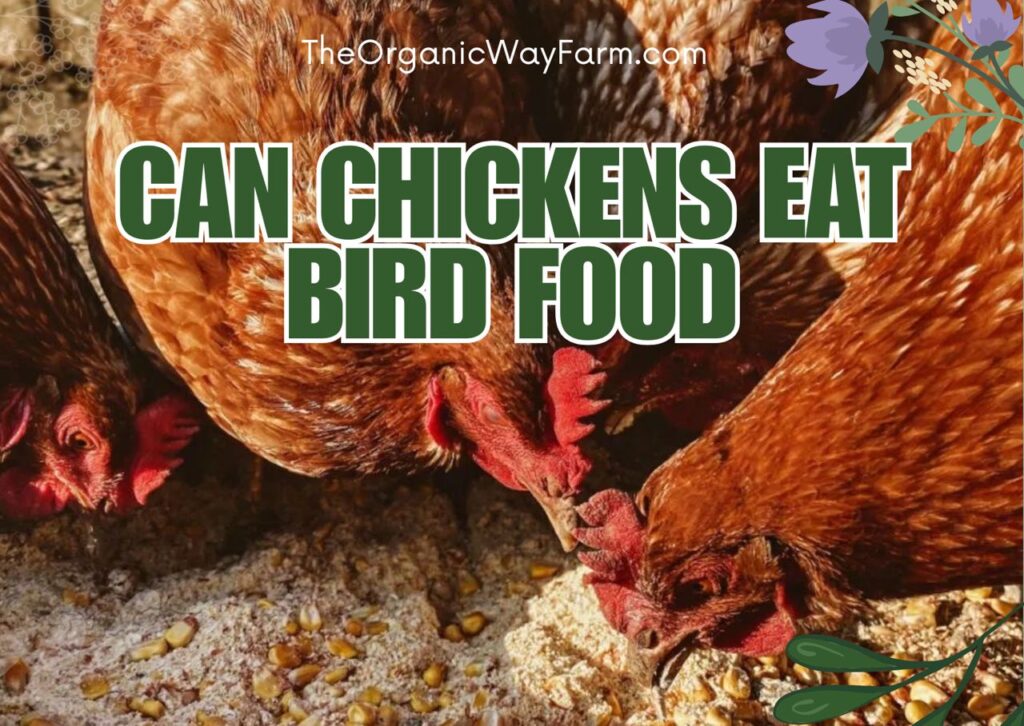
If you have backyard chickens, you may have wondered “Can chickens eat bird food?” This is a common question that many chicken owners have while trying to provide the best diet for their feathered friends. The good news is that chickens can eat bird food, but it is not always the best option for them.
Bird food often consists of seeds and grains which may not fulfill all the nutritional needs of chickens. Chickens require a balanced diet that includes protein, vitamins, minerals, and other essential nutrients to stay healthy and productive. It is important to understand how bird food fits into their dietary needs.
Stick around as we explore the details about chickens and bird food together. We will learn about how much they can eat, the best ways to feed it to them, the benefits, and the risks associated with feeding bird seed to chickens.
- Can Chickens Eat Bird Food?
- How Much Bird Food Can Chickens Eat?
- Best Way to Feed Bird Food to Chickens
- Benefits of Feeding Bird Food to Chickens
- Risks and Dangers of Feeding Bird Food to Chickens
- Substitutes for Bird Food for Chickens
- Frequently Asked Questions
Let’s dig in!
Can Chickens Eat Bird Food?
When we think about what our chickens can eat, bird food might pop up as an option. Chickens are omnivores, meaning they eat both plants and animals. Bird food typically contains seeds, grains, and sometimes even dried fruits, which and can be tasty for birds and chickens alike.
However, it is important to know that while chickens can enjoy bird food, it should not be their main source of nutrition. Chickens have specific dietary needs that include protein, calcium, vitamins, and minerals. Common ingredients found in bird food like sunflower seeds or millet may not provide the complete diet that chickens need.
Instead of focusing solely on bird food, it is a good idea to offer a balanced diet that consists of chicken feed formulated specifically for poultry. Layer feed, for example, contains the right amount of calcium to support egg production, which is something chickens on a varied diet need. Bird food can be thought of as a treat rather than the main dish.
Many chicken keepers give their birds a little bird food as a special snack. This can not only satisfy their taste but can also aid in keeping them entertained while foraging. However, balance is key, and we should ensure that they get their essential nutrients from proper chicken feed.
It is also a good idea to be mindful of the types of seeds in the bird food. Some bird seeds are not ideal for chickens. Mixing in small amounts of seeds like flaxseed can offer healthy fats while others could lead to health issues if fed in excess. And as we consider how to offer treats to our chickens from time to time, we should always prioritize their well-being and health.
You might also be intrested in: Can Chickens Eat Dog Food?
How Much Bird Food Can Chickens Eat?
The amount of bird food we can safely give our chickens depends on several factors like age, size, and health status. Generally, bird food should not make up more than 10 percent of a chicken’s diet. If fed in excess, we could risk our chickens not receiving essential nutrients needed for their growth and health.
For adult chickens, it’s recommended to limit the quantity to a few tablespoons a few times a week. This small portion allows chickens to enjoy a tasty snack without overdoing it. Baby chicks, on the other hand, have more sensitive nutritional needs, and bird food is often not suitable for them. Instead, it’s best to stick to specially formulated chick starter feed until they are older and able to handle a more varied diet.
When introducing bird food into their diet, it’s also vital to monitor how it affects our chickens. Key observations to make include any changes in their behavior, egg production levels, or digestion. If we notice any negative effects, it may be necessary to reconsider our approach to bird food.
We want to create a balanced experience for our chickens, which means also providing a variety of fresh fruits and vegetables along with their regular feed. This diversity offers the best chance for proper nutrition and health. While small amounts of bird food can be a fun and tasty addition, it is important not to lose sight of their core dietary needs.
Best Way to Feed Bird Food to Chickens
There are a few ideal ways to introduce bird food into our chickens’ diets, making sure it is a fun and safe experience.
One way is to scatter the bird food on the ground or in a designated foraging area. Chickens love scratching and pecking the ground, mimicking their natural behavior to find food. This method can also encourage physical activity and mental stimulation, both of which are key to a happy chicken life.
Another option is to place bird food in a feeder. A feeder keeps the food clean and makes it easy for chickens to access without wasting it. There are various feeder types, including hanging or ground-based options that can help control the mess.
We could also consider mixing bird food with other treats like fruits and vegetables for a fun treat mix. This combination adds interest to their diet while providing various nutrients. Just like us, chickens enjoy variety!
A good practice is to offer bird food during specific times of the day, keeping in mind that it is supplementary to their main feed. By creating a routine and using bird food as a treat, we can prevent chickens from getting too reliant on it as a meal. This also helps them maintain a balanced diet overall.
Lastly, always ensure the bird food is fresh. Stale or moldy food can lead to health issues in chickens, so we should keep their feeding environment clean and hygienic. By keeping their food fresh and fun, we encourage better eating habits and health for our hens.
Benefits of Feeding Bird Food to Chickens
Hydration
Bird food can help provide some level of hydration to chickens, especially if it contains seeds that have been soaked or are mixed with fruits and vegetables. Keeping our chickens hydrated is as important as their nutrition, and adding small amounts of bird food can give them some extra water content.
By ensuring chickens have access to clean drinking water, we can support their health even further. Hydrated chickens are more likely to be active and content in their environment, leading to a happier flock.
Fiber
Fiber is another benefit of bird food, especially if it includes ingredients like oats or barley. Fiber aids in digestion and can help prevent certain health issues such as obesity or impacted crops. Healthy digestion is important for chickens to absorb nutrients from their feed effectively.
In addition, offering bird food alongside other high-fiber treats can help maintain a balanced diet. Fruits and vegetables offer natural fibers, complementing the bird food nicely.
Vitamins and minerals
Many seeds and grains found in bird food contain vitamins and minerals that can support our chickens’ health. Ingredients like sunflower seeds are high in vitamin E and can provide a boost to the immune system.
While bird food should not make up the bulk of their diet, it can certainly be a helpful supplement when offered in moderation. Considering the nutritional value of the bird food we choose is essential to give our hens the nutrients they require for optimal health.
Mental stimulation
Introducing bird food can keep our chickens mentally engaged. Scratching, pecking, and finding treats add excitement to their day. Chickens are intelligent animals, and providing opportunities for them to explore their environment is crucial for their well-being.
By incorporating bird food into their feeding routine, we promote foraging behavior and create a healthier lifestyle. Happy chickens are productive chickens, after all!
Nutritional breakdown of bird food
Understanding what our chickens are consuming includes knowing the nutritional breakdown of bird food. Typically, bird food can consist of carbohydrates, proteins, fats, vitamins, and minerals. The exact breakdown depends on the specific blend of seeds and grains.
When selecting bird food for our chickens, we can seek options that are high in good fats like omega-3 fatty acids while balancing out carbohydrates and proteins. This way, we can ensure our chickens receive the nutrients they need while enjoying a tasty treat. Reading the ingredient label and nutritional information can guide us when making choices about the best bird food for chickens.
Risks and Dangers of Feeding Bird Food to Chickens
As with any feeding practice, there are risks associated with offering bird food to our chickens. One of the main concerns is that some seeds can lead to obesity or other health problems if fed in excess. The high-fat content in certain seeds can be harmful if not balanced with other nutrients.
Another risk involves certain ingredients that could be toxic to chickens. For example, foods like chocolate, avocado, or large amounts of raw beans can lead to serious health issues. It’s essential that we do our research and ensure that the products in the bird food are safe for our chickens to consume.
We should also be cautious of moldy seeds or expired products, as these can cause serious illnesses. Regularly inspecting the food we feed our birds and maintaining a clean feeding area helps reduce this risk. We want to ensure that our chickens are healthy and safe while enjoying their treats.
Monitoring changes in behavior after introducing new foods is vital. If we notice any signs of illness or distress in our flock, it may be necessary to remove the bird food from their diet and review our feeding practices.
Substitute for Bird Food for Chickens
If we are looking for alternatives to bird food, we have many options that can provide chickens with a balanced diet. Whole grains like oats, barley, or even cracked corn have a high nutritional value and can make excellent substitutes.
Additionally, we can provide fruits and vegetables such as carrots, apples, and leafy greens as healthy snacks. These foods not only offer delicious tastes but also provide essential vitamins and minerals for our chickens.
We can also consider special chicken treats specifically formulated to meet their dietary needs. These products are often designed to be nutritious and can be a great way to ensure we are meeting our flock’s health requirements.
Exploring homemade options can also be a fun and rewarding experience. We can create our own mix of bird seeds with added vitamins, minerals, and other nutrients to meet our chickens’ specific needs. This way, we have control over what goes into their diet, ensuring they maintain a healthy lifestyle.
Frequently Asked Questions
Can chickens eat all types of bird seed?
No, some seeds can be harmful. It’s best to research and choose bird seeds that are safe for chickens.
How often can I feed bird food to chickens?
Bird food should be given as a treat, not more than 10 percent of their diet.
Can chicks eat bird food?
It is best not to feed bird food to chicks as their dietary needs are different. Stick to chick starter feed.
What are safe alternatives to bird food for chickens?
Oats, cracked corn, fresh fruits, and vegetables are great alternatives to bird food.
Is bird food necessary for chickens?
Bird food can be a fun treat but is not necessary if chickens are receiving adequate nutrition from their main feed.
Final Thoughts
Learning about chickens and their dietary needs can be quite interesting. While chickens can eat bird food, it should be considered a supplement and not their main sustenance. The focus should be on providing a balanced diet tailored to support their health and productivity.
As we explore other options, don’t forget to check the benefits of other fruits and vegetables like grapes, tomatoes, and carrots that can enhance our chickens’ diet and keep them thriving.
By keeping our chickens healthy with variety and moderation, we ensure that they stay happy and productive. Feeding bird food can be a nice touch as long as we pay attention to what our chickens need. So let’s continue giving our sweet birds the best diet out there!