
If you have chickens, you may wonder about their diet and what foods are safe for them to eat. One common question is “Can chickens eat black beans?” This question arises from the desire to provide our feathered friends with a varied and nutritious diet. Chickens are omnivores and can eat a variety of foods, including grains, fruits, vegetables, and even some legumes. However, when it comes to specific foods like black beans, we need to investigate further.
The short answer is yes, chickens can eat black beans, but they need to be prepared properly. Raw black beans contain certain compounds that can be harmful to chickens if consumed in large quantities. When cooked, black beans can be a delightful addition to a chicken’s diet, packed with protein and essential nutrients. So, how can we safely add this nutritious food to our chickens’ meals? Let’s explore further to find out!
As we continue reading together, we will explore the following topics related to black beans and chickens:
- Can Chickens Eat Black Beans?
- How Much Black Beans Can Chickens Eat?
- Best Way to Feed Black Beans to Chickens
- Benefits of Feeding Black Beans to Chickens
- Risks and Dangers of Feeding Black Beans to Chickens
- Substitutes for Black Beans in Chickens’ Diet
Let’s get started!
Can Chickens Eat Black Beans?
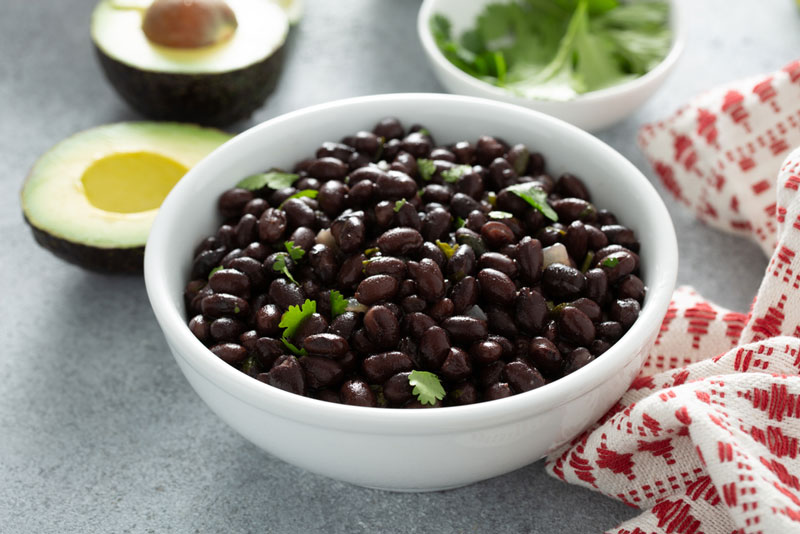
Chickens have diverse dietary needs and can enjoy a variety of foods. Black beans, in particular, are an excellent source of protein, fiber, and essential nutrients. However, it is important to understand how to properly prepare and serve them.
Raw black beans contain a toxin known as phytohemagglutinin, which can be harmful to chickens. This toxin can cause digestive issues and other health problems. Therefore, it is crucial to cook black beans thoroughly before offering them to our chickens. Cooking the beans removes the harmful toxins, making them safe and nutritious for our birds.
You might also be intrested in: Can Chickens Eat Cooked Beans?
How Much Black Beans Can Chickens Eat?
When it comes to feeding black beans to our chickens, moderation is key. It is best to offer them cooked black beans as an occasional treat rather than a daily staple. They should not exceed 10-15% of our chickens’ total diet.
For a small flock, a quarter cup of cooked black beans could be enough for a treat. Observe how they react to the addition of black beans. Ensure that they digest them well and maintain their health.
Even though cooked black beans are healthy, they shouldn’t replace high-quality chicken feed laden with essential vitamins and minerals. Always prioritize a balanced diet for our chickens, incorporating a blend of grains, seeds, veggies, fruits, and protein sources.
During the winter, when fresh greens may be scarce, cooked black beans can be a great supplement. They offer hydration and calories, which can help keep our chickens healthy and energetic.
So, when considering how much black beans to feed, remember to use them wisely and sparingly to ensure the best health of our birds.
Best Way to Feed Black Beans to Chickens
Preparing black beans for our chickens is straightforward. Start by rinsing the dried beans to remove any dirt, chemicals, or impurities. Once cleaned, soak the beans in water for a few hours or overnight to help soften them. After soaking, drain the water and cook the beans.
There are various ways to cook black beans: boiling, steaming, or even pressure cooking. Make sure they are cooked until soft and firm to avoid any choking hazards. It is best to avoid adding salt, spices, or other additives to the beans, as they may be unhealthy for our chickens.
Once fully cooked, allow the beans to cool before serving them to our flock. You can mix them with their regular feed or scatter them in their pen for a fun treat. This method encourages foraging and mental stimulation, keeping our chickens engaged and entertained.
As a special treat, combine black beans with other healthy foods like corn, peas, or chopped greens to create a delicious medley. This not only adds variety to their diet but also gives them a chance to explore new flavors and textures, enhancing their overall experience.
Keep in mind that introducing any new food requires patience. Start with small amounts, watching for any changes in their behavior or digestion. If everything goes well, we can occasionally offer black beans as part of our chickens’ diet.
Benefits of Feeding Black Beans to Chickens
Hydration
One significant benefit of feeding cooked black beans to our chickens is hydration. Chickens need a constant supply of clean water, but adding moisture-rich foods like black beans to their diet can help keep them hydrated, especially during warmer months.
Fiber
Fiber is essential for healthy digestion. Black beans are rich in dietary fiber, which can help our chickens maintain a good digestive system. Healthy digestion contributes to overall health, egg production, and can prevent issues such as impacted crops or intestinal blockages.
Vitamins and Minerals
Black beans contain various vitamins and minerals, including iron, magnesium, and potassium. These nutrients are vital for maintaining good health in chickens, supporting their bodily functions, and overall growth. When we add black beans to their diet, we’re providing a boost of essential nutrients in a single serving.
Mental Stimulation
Offering a variety of foods, including black beans, can provide mental stimulation for chickens. They are curious creatures, and the introduction of new textures and flavors can keep them entertained. Feeding them black beans can reduce boredom, which can sometimes lead to undesirable behaviors like feather pecking or aggression.
Nutritional Breakdown of Black Beans
The nutritional content of black beans makes them an attractive option for our chickens. On average, 100 grams of cooked black beans contain about 9 grams of protein, 5 grams of fiber, and various vitamins and minerals. Including them in our chickens’ diet can help ensure they receive a balanced diet filled with nutrients.
Dangers of Feeding Black Beans to Chickens
While there are several benefits to feeding cooked black beans to our chickens, we must be aware of potential risks as well. As mentioned earlier, raw black beans contain a toxin that can negatively impact our chickens’ health. Cooked beans eliminate this risk, but it is essential to ensure they are fully cooked.
Overfeeding any single food, including black beans, can also result in nutritional imbalances. We should always prioritize a diverse diet filled with different types of wholesome foods to ensure our chickens receive well-rounded nutrition. Feeding too many beans may lead to digestive issues, including bloating or upset stomachs.
Additionally, beans high in protein can upset the delicate balance within a chicken’s digestion if introduced too quickly or in excessive amounts. A gradual introduction allows their digestive systems to adjust accordingly. Depending on individual chickens, some may be more sensitive than others, requiring us to closely monitor their well-being.
In summary, while cooked black beans can be a nutritious treat, we must be vigilant about how much we feed our chickens and be careful to cook them properly to avoid potential risks associated with raw beans.
Substitutes for Black Beans in Chickens’ Diet
If we find ourselves without black beans or want to diversify our chickens’ diets further, many nutritious substitutes are available. We can consider other legumes, grains, or pulses that provide similar benefits.
Lentils, cooked peas, and kidney beans are excellent alternatives to black beans. They offer similar nutritional profiles and can keep our birds healthy and happy. Each of these options should also be cooked thoroughly to eliminate any toxins, ensuring safety for our chickens.
In addition to legumes, we can introduce high-quality grains such as quinoa, barley, or oats. These grains provide protein, fiber, and essential nutrients while keeping our chickens’ diet varied and balanced.
When replacing black beans, it is always a great idea to mix different foods and keep our chickens entertained. Things like chopped vegetables, fruits, and seeds can make our chickens’ meals more enjoyable and enriching.
Can Chickens Eat Black Beans? Frequently Asked Questions
Can chickens eat raw black beans?
No, raw black beans are harmful due to the toxin they contain. Always cook black beans properly before feeding them to chickens.
How often can I feed black beans to my chickens?
Cooked black beans should be offered as an occasional treat, ideally not more than once a week.
Aren’t there other foods I can feed my chickens instead?
Yes, chickens can enjoy various foods! Alternatives include lentils, peas, corn, and many fruits and vegetables.
Are there any signs to watch for if my chicken eats black beans?
If your chickens show signs of digestive distress, such as loose stools or lack of appetite, reduce the amount of beans and monitor their health closely.
What if my chickens don’t seem to like black beans?
Not all chickens will enjoy the same foods. Experimenting with different treats helps identify their preferences while ensuring a well-rounded diet.
Final Thoughts
Incorporating cooked black beans into our chickens’ diets can be rewarding and beneficial, as long as we keep safety and moderation in mind. Offering a diverse range of foods not only keeps our chickens healthy but also helps keep them mentally stimulated. Let’s remain vigilant about their nutritional needs, ensuring they receive a balanced diet filled with a mix of delicious foods!
To explore more about what other foods you can safely offer your chickens, check out these interesting reads on Garlic, Peas, or Broccoli. Enjoy nurturing your flock!