
If you have some extra black olives lying around, you might wonder, “Can chickens eat black olives?” You’re not the only one asking this! Many people with chickens are curious about what treats they can share with their feathered friends.
The short answer is YES, chickens can eat black olives! However, moderation is key, as these olives can be high in sodium and might not be suitable for daily consumption. It’s important to understand the proper portions and how to safely introduce black olives into your chickens’ diet.
Stick around as we explore this topic in detail, ensuring that both you and your chickens can enjoy the benefits of safe snacking. Here are the subtopics we will look at in the article:
- Can Chickens Eat Black Olives?
- How Much Black Olives Can Chickens Eat?
- Best Way to Feed Black Olives to Chickens
- Benefits of Feeding Black Olives to Chickens
- Risks and Dangers of Feeding Too Many Black Olives
- Substitutes for Black Olives
- Frequently Asked Questions
Let’s get started!
Can Chickens Eat Black Olives?
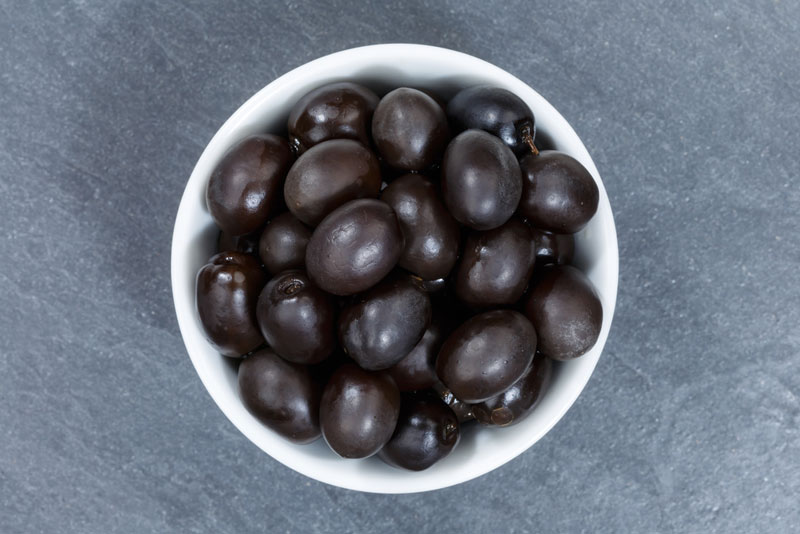
Chickens are omnivores, which means they can eat a variety of foods, including fruits, vegetables, grains, and even certain human foods. Black olives, being a type of fruit, can be included in their diet as a treat. However, we must be cautious about how much we feed them and the way we prepare these olives.
Black olives contain healthy fats that can be beneficial for chickens when fed in moderation. They provide a different taste and texture that can excite your flock. Chickens are known to appreciate treats that vary from their normal feed. However, it’s essential to avoid giving them olives that are heavily salted or preserved in brine, as high sodium levels can lead to health issues.
How Much Black Olives Can Chickens Eat?
Understanding the right amount to feed your chickens can make a significant difference in their overall health. While black olives can be a tasty treat, portion control is vital. We generally recommend that treats like black olives should not make up more than 10% of your chickens’ diet to maintain a balanced nutritional intake.
A small handful of black olives for a flock of chickens can be an appropriate serving size. This means if you have five chickens, giving them about 5 to 10 olives total throughout the week is a good rule of thumb. Always monitor their response to new foods, so you can adjust the quantity accordingly.
It’s wise to introduce any new food slowly, including black olives. Start with just a few olives and observe how your chickens react to them. If they enjoy the olives without any stomach issues, you can feel confident in adding them to their occasional treat rotation.
When it comes to preparing olives for chickens, consider cutting them up into smaller pieces. This not only makes it easier for your birds to eat but also encourages them to engage with their food. Chickens have curious natures and enjoy foraging for smaller pieces, which can provide both nutrition and entertainment.
Ultimately, while some black olives are fine for chickens, keep in mind the importance of moderation and preparation. By doing so, we ensure that our chickens remain healthy and happy while enjoying a diverse diet.
Best Way to Feed Black Olives to Chickens
Feeding black olives to chickens can be done in several fun and creative ways. As mentioned, the best method is to cut the olives into smaller pieces. This helps them feel comfortable nibbling on the treat and keeps them engaged in foraging.
Mixing black olives into their regular feed can be an excellent way to introduce these fruits. You can toss a few chopped olives into their food bowl, allowing them to discover the tasty morsels while eating their usual feed. This method encourages them to eat their complete diet while enjoying the new flavors.
Another method involves using whole black olives as treats during training sessions. Chickens respond well to positive reinforcement, and offering them a piece after following a command can make learning fun. Just remember to keep the sessions short and sweet so they stay engaged.
You can also create a special treat day, introducing black olives alongside other fruits and vegetables they love. Arranging a small buffet-style offering of bird-safe foods can create a delightful experience for your chickens and promote a sense of variety in their diet.
Try different combinations and see what your chickens enjoy the most. You might find that some of your flock prefer olives on certain days or are more eager about them when mixed with other treats. Always keep an eye on how much they consume and adjust future servings as needed.
Benefits of Feeding Black Olives to Chickens
Hydration
Black olives have a high water content, which can be beneficial for chickens, especially during hot weather. Hydration is crucial for our feathered friends, as it helps keep them cool and maintain their overall health. Chickens need access to fresh water at all times, but offering them juicy fruits like black olives can provide an additional hydration source.
Fiber
Dietary fiber is essential for chickens as it helps maintain healthy digestion. Black olives contain fiber, which can support gastrointestinal health. A well-functioning digestive system means better nutrient absorption, ultimately contributing to our chickens’ overall well-being and productivity.
Vitamins and minerals
In addition to fiber, black olives are rich in vitamins and minerals. They provide vitamin E, which is crucial for maintaining skin and feather health. Moreover, they contain antioxidants that can help strengthen the immune system. Feeding chickens an array of nutrient-rich foods, including olives, makes their diet more balanced.
Mental stimulation
Chickens are intelligent and curious creatures, and introducing new foods like black olives keeps their minds engaged. Foraging for different treats stimulates their natural instincts and promotes physical activity. By providing diverse snacks, we can help keep our flock happy, healthy, and mentally sharp.
Nutritional breakdown of olives
The nutritional profile of black olives makes them an exciting addition to a chicken’s diet. They’re packed with healthy fats, fiber, and various nutrients that chickens can benefit from. Understanding how to incorporate these fruits into their meals can help us ensure our feathered friends receive essential nutrients while enjoying their meals!
Dangers of Feeding Too Many Black Olives
While there are advantages to feeding chickens black olives, there are also potential risks involved with overindulgence. As mentioned earlier, black olives can be high in sodium, especially those preserved in brine. High sodium levels can lead to health issues for chickens, such as dehydration and heart problems.
It’s crucial to avoid feeding chickens olives that have added salt or preservatives. Always check labels and buy the unsalted or natural varieties when possible. The best approach is to rinse black olives thoroughly before offering them to your chickens. This can help lower any sodium content significantly.
Another risk is that some chickens may have difficulty digesting any pit left in whole olives. Swallowing large pieces can lead to choking hazards, so always ensure the olives are cut up appropriately. We need to be thoughtful and observant when introducing new foods to ensure our chickens enjoy their treats safely.
If you’re ever uncertain about any new food, do a bit of research about the potential health risks. Consulting with a veterinarian can also provide valuable insight into specific dietary choices for our feathered friends, ensuring we promote their health and well-being.
By being mindful of the risks while enjoying the benefits, we can help keep our flock healthy and happy while indulging in a tasty occasional treat.
Substitutes for Black Olives
If you find yourself concerned about the sodium content or any other dangers of feeding black olives to your chickens regularly, consider some healthy substitutes. There are various bird-safe fruits and vegetables that can serve as delicious alternatives while still providing numerous health benefits.
Fruits like watermelon, blueberries, and apples can make excellent substitutes for black olives. These fruits can serve as equally enticing treats for chickens, keeping their nutrition varied and their interests piqued. Remember to cut them into appropriate sizes to ensure that no choking hazards arise.
Vegetables like carrots, cucumbers, and leafy greens can also be mixed into their diet to ensure a balanced intake. Many of these veggies provide essential nutrients and can keep our chickens well-fed in a different way.
In the end, variety is vital for providing our chickens with the balanced diet they need. Experimenting with different fruits and vegetables not only encourages a colorful and enjoyable diet but supports our flock in maintaining a healthy lifestyle.
Can Chickens Eat Black Olives? Frequently Asked Questions
Are all types of olives safe for chickens?
In general, black olives are safe for chickens as long as they are not overly salted or preserved. It’s best to provide fresh, unsalted olives for the healthiest option.
Can chickens eat olive oil?
Chickens can consume small amounts of olive oil. It can benefit their feathers and overall health. However, it should only be given in moderation.
How do I know if my chicken has had too many olives?
If chickens display signs of distress, such as vomiting or lethargy, it could indicate they have overindulged. Monitoring their behavior is paramount for their health.
Can I feed them olives daily?
It’s best not to feed chickens olives daily. These should remain an occasional treat with careful consideration of portion sizes.
What other snacks can I give my chickens?
Chickens enjoy a wide variety of snacks, including fruits like grapes and strawberries, vegetables like carrots, and even healthy grains. Finding the right balance will keep your birds engaged and healthy!
Final Thoughts
Feeding black olives to chickens can be a healthy and enjoyable treat when done correctly. By understanding the benefits and potential risks, we can make informed choices on what to feed our feathered friends to keep them happy and healthy. There are many ways to incorporate black olives into their diet, so we can explore options that suit our chickens’ tastes best.
As we strive to offer a well-rounded diet to our flock, we should also think about other delicious treats they can enjoy. If you want to learn more about what other foods can be given to chickens, check out our articles on grapes, tomatoes, and bananas to expand your knowledge. Happy feeding!