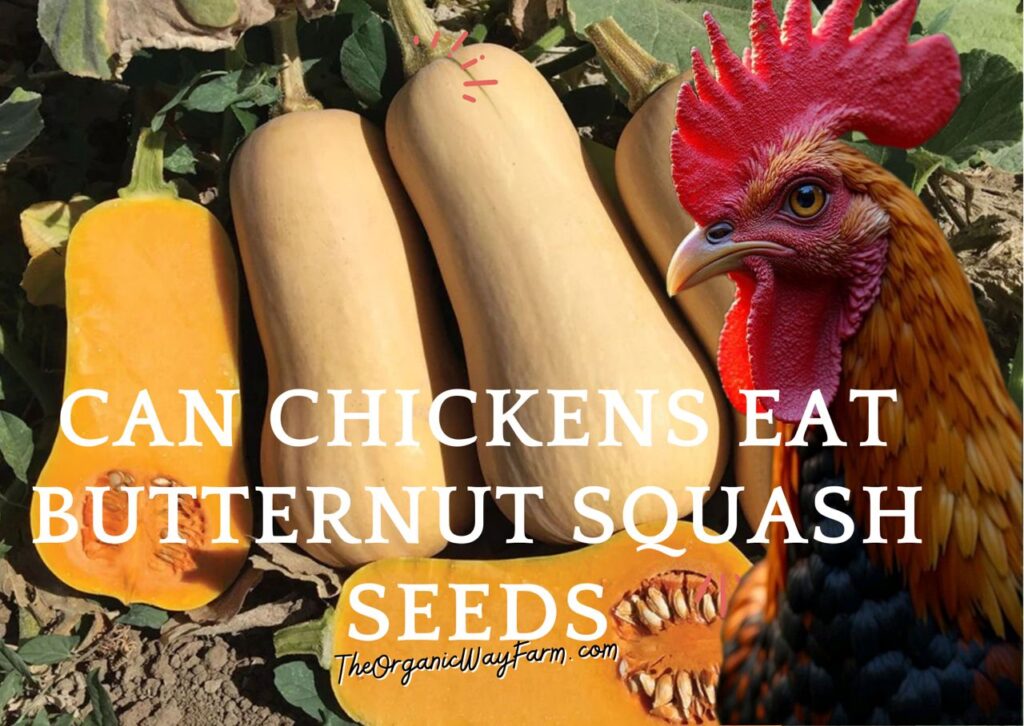
If you are a chicken owner, you may be curious about the different foods that your feathered friends can eat. One question that often arises is, “Can chickens eat butternut squash seeds?” This is a great question and something that many of us wonder about, especially when we are looking to provide our chickens with a variety of healthy and tasty options.
The simple answer is YES, chickens can eat butternut squash seeds! These seeds are safe for chickens and can be a nutritious addition to their diet. Butternut squash seeds are not only safe, but they are also packed with valuable nutrients that can benefit our feathery companions.
So, let’s keep exploring this topic to understand more about how we can incorporate butternut squash seeds into our chickens’ diets and the advantages it might provide!
- Can Chickens Eat Butternut Squash Seeds?
- How Much Can Chickens Eat?
- Best Way to Feed Butternut Squash Seeds
- Benefits of Feeding Butternut Squash Seeds
- Risks/Dangers of Feeding Butternut Squash Seeds
- Substitutes for Butternut Squash Seeds
Let’s dig in!
Can Chickens Eat Butternut Squash Seeds?
Chickens can indeed enjoy butternut squash seeds. These seeds are similar to many other seeds that chickens might consume, and they can be a delightful treat for our flock. When feeding our chickens, we often look for alternatives that are healthy, safe, and tasty. Butternut squash seeds fit the bill perfectly! They offer a variety of nutrients and can help vary the diet of our chickens.
Butternut squash seeds are not only safe; they are a source of essential nutrients. Chickens, like us, require a balanced diet to thrive. Seeds can provide protein, healthy fats, vitamins, and minerals essential for our chickens’ health. When chickens consume these seeds, they can benefit from the nutrients found within, enhancing their overall well-being.
You might also be intrested in: Can Chickens Eat Squash?
How Much Can Chickens Eat?
Determining how much butternut squash seeds chickens can consume is key to ensuring their health. Seeds can be higher in fat, so moderation is important. A good rule of thumb is to introduce them slowly into the flock’s diet.
When we offer butternut squash seeds, it is best to start with a small amount. For instance, a few seeds or a small handful mixed into their feed should suffice as an introduction. Over time, we can monitor how they react to these seeds, ensuring they enjoy them without any adverse effects.
We should always remember that these seeds should complement a balanced diet. Ideally, they should not replace the standard diet of grain-based feed that chickens require. Instead, think of butternut squash seeds as a treat that we can give our chickens occasionally to add variety.
If we keep track of how many seeds our chickens are consuming, we can ensure they are not overindulging. For example, if we feed our chickens butternut squash seeds 2-3 times per week, that can be a great way to introduce them to a healthy new food without going overboard.
In general, the seeds’ nutritional value makes them a fun addition to our chickens’ diet. However, as we strive for balance and moderation, it’s crucial to keep an eye on their preferences and health!
Best Way to Feed Butternut Squash Seeds
Feeding butternut squash seeds to chickens can be an enjoyable experience for both us and our birds! One of the best ways to prepare these seeds is to roast them lightly before offering them. Roasting can enhance the flavor and make them more appealing to our flock.
To roast the seeds, we can follow a simple method. Start by rinsing the seeds to remove any pulp or residue from the butternut squash. Next, we can toss them with a small amount of olive oil and sprinkle on some salt if desired. The oil helps to roast the seeds evenly, creating a tasty treat that our chickens will likely enjoy.
After spreading the seeds on a baking sheet, we can roast them at a low temperature until they turn golden brown. This should take about 15-20 minutes. Be cautious, as we don’t want to burn them – just roasted enough to enhance the flavor!
Once the seeds are cooled down, we can mix them with our chickens’ usual feed or scatter them in their coop or run. This scattering means the chickens can scratch around and enjoy finding the seeds, adding an element of entertainment to their feeding time!
In addition to roasting, we can also offer butternut squash seeds raw. This method is just as easy – rinse and serve! We may find that some of our chickens prefer the raw seeds over roasted, so offering both allows us to observe their preferences and change accordingly.
Benefits of Feeding Butternut Squash Seeds
Hydration
One of the key benefits of feeding butternut squash seeds to our chickens is hydration. These seeds contain moisture, which can contribute to keeping our chickens hydrated. Hydration is essential, especially during hot summer months when chickens are more likely to get dehydrated. Providing treats that can offer some moisture helps support their overall health.
Fiber
Butternut squash seeds also provide fiber, which is important for chicken digestive health. Fiber aids digestion, ensuring that our chickens can process their food effectively. A healthy digestive system contributes to the overall well-being of our flock, leading to happier and healthier chickens.
Vitamins and Minerals
These seeds are packed with vitamins and minerals. For instance, butternut squash seeds are a source of magnesium, phosphorus, and zinc. All these nutrients are critical for energy production, healthy growth, and egg production in hens. When we feed our chickens these seeds, we help promote their health and improve the quality of the eggs they lay.
Mental Stimulation
Let’s not forget the mental stimulation that comes from foraging! When we scatter butternut squash seeds for our chickens, we create an opportunity for them to engage in natural behaviors. Scratching and pecking at the ground keep our chickens occupied and entertained, which is essential for their mental health.
Nutritional Breakdown of Butternut Squash Seeds
In terms of the nutritional breakdown, butternut squash seeds consist of healthy fats, protein, and dietary fiber. They contain antioxidants that aid in reducing inflammation in our chickens, promoting overall health. With a heap of nutrients packed into each seed, it’s easy to see why these seeds can be a valuable addition to our chickens’ diet!
When we incorporate butternut squash seeds thoughtfully, we create an opportunity not just for physical nourishment but also mental engagement. It’s fun to watch our chickens enjoy this delightful treat while benefiting from all the good things it offers!
Risks/Dangers of Feeding Butternut Squash Seeds
While butternut squash seeds have many benefits, there are some risks associated with feeding them to our chickens. Overindulgence can lead to a high-fat diet, which could impact the health of the chickens. We need to provide these seeds in moderation; too many might contribute to weight gain and other health issues.
Another point to consider is the potential for choking. Larger seeds or those that have not been adequately prepared could pose a risk for chickens, especially small chicks. For this reason, we should always offer seeds that are sufficiently small or prepared properly to ensure safety.
Lastly, if our chickens have any existing health conditions, it may be wise to consult with a veterinarian before changing their diet significantly or introducing new foods. Our chickens rely on us to provide a balanced and safe diet, and it’s essential that we stay informed about their specific health needs.
By being cautious and monitoring our chickens’ reactions when introducing butternut squash seeds or any new food, we can help ensure their health and safety. Every chicken is unique, and observing their preferences can lead to a happier and healthier flock!
Substitutes for Butternut Squash Seeds
If butternut squash seeds aren’t available or if our chickens just don’t seem to like them, there are plenty of other seeds and treats we can explore. For example, sunflower seeds are a popular choice among many chicken owners. They are also high in healthy fats and can be served raw or roasted.
Pumpkin seeds are another nutrient-rich alternative that can provide similar health benefits. Not only do they pack a nutritional punch, but they are also a great source of fiber and can help maintain a healthy digestive system for chickens.
We can also explore feeding chickens fruits and vegetables as an alternative to seeds. Foods like carrots, apples, and leafy greens can be fantastic additions to their diet. Offering a range of foods helps ensure our chickens consume various nutrients while keeping their meals enjoyable! Change in diet can be an exciting adventure for our chickens, and it’s essential to keep things fresh and exciting.
Whatever option we choose, it’s always best to introduce new foods gradually and observe how our chickens respond. By doing this, we can ensure their health and happiness!
Frequently Asked Questions
What other seeds can chickens eat?
Chickens can enjoy a variety of seeds, including sunflower seeds, pumpkin seeds, and flax seeds. All of these can add valuable nutrients to their diet!
Can chickens eat the entire butternut squash?
Yes! Chickens can eat the entire butternut squash, including the flesh and skin. It’s another nutritious option to provide them!
How can I tell if my chickens like butternut squash seeds?
Observe their behavior. If they eagerly peck at the seeds and eat them, it is likely that they enjoy this addition to their diet!
Are there any foods chickens should avoid?
Chickens should avoid food like chocolate, avocado, and raw beans as they can be toxic to them. Always research new foods before offering them!
Can butternut squash seeds be offered as a regular part of my chickens’ diet?
It’s best to offer butternut squash seeds as a treat rather than a regular meal. Moderation is key to ensuring their optimal health!
Final Thoughts
Incorporating butternut squash seeds into our chickens’ diets can be a rewarding experience. We can enhance their meals with these nutritional seeds while enjoying the joy of watching our chickens explore new flavors and textures. Remember to introduce seeds gradually and always monitor how our chickens respond to new foods. Taking the time to understand their preferences can lead to a happy and healthy flock!
Along with butternut squash seeds, be sure to check out other articles covering what chickens can eat, such as grapes, pineapple, and even broccoli! We are on a delightful journey to provide our chickens with the best diet possible!