
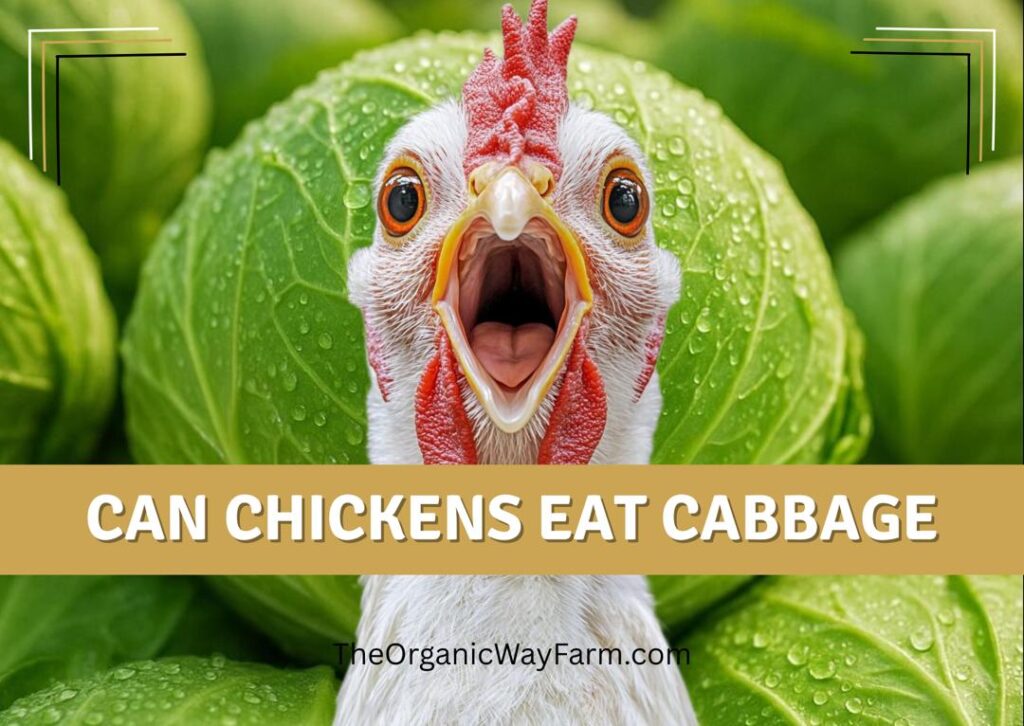
If you have chickens, you might be wondering, “Can chickens eat cabbage?” This is a great question! Many chicken owners are curious about what foods are safe and healthy for their feathered friends. Cabbage is a common vegetable that is often found in our kitchens, and it’s essential to understand if it’s suitable for our chickens.
The short answer is YES! Chickens can eat cabbage, and in fact, they enjoy it quite a bit. Cabbage provides various nutritional benefits, making it a great addition to their diet. However, like with any food, moderation is important. In this article, we’re going to explore everything you need to know about feeding cabbage to your chickens.
Keep reading as we break down the benefits, risks, and best ways to feed cabbage to your chickens. Whether you’re a seasoned farmer or just starting with your flock, our insights will help you make informed decisions for their health.
- Can Chickens Eat Cabbage?
- How Much Cabbage Can Chickens Eat?
- Best Way to Feed Cabbage to Chickens
- Benefits of Feeding Cabbage to Chickens
- Risks and Dangers of Feeding Cabbage to Chickens
- Substitutes for Cabbage for Chickens
- Frequently Asked Questions
Let’s get started!
Can Chickens Eat Cabbage?
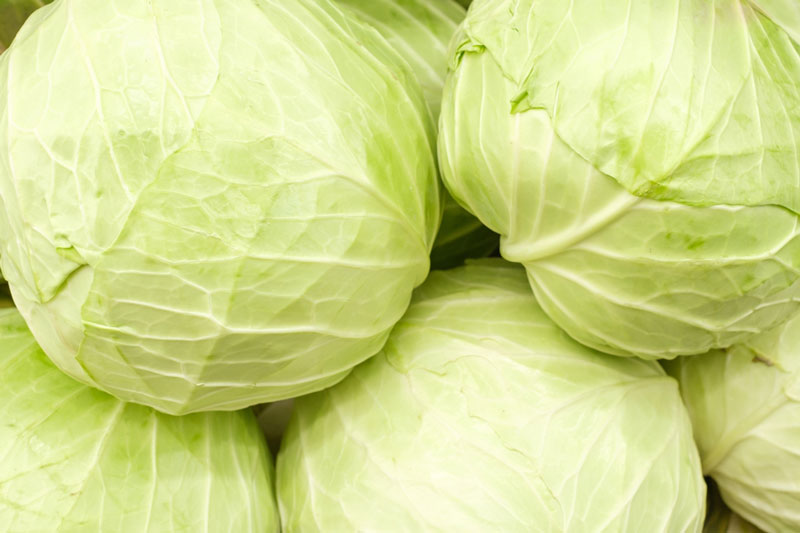
Cabbage is a versatile vegetable that is packed with nutrients, making it a tasty treat for our chickens. Thinking about their diet, we want to ensure that our feathered friends get a balanced intake that supports their health and egg production. Cabbage fits this bill well. It can be offered to chickens in various forms, such as raw, cooked, or fermented. Each method has its own perks, which we will cover later.
When feeding cabbage, we should recognize that chickens, being omnivores, enjoy a variety of foods. They search for plants, insects, and seeds in their natural habitat. Introducing foods like cabbage allows them to forage their way through a colorful diet, enriching their experience and nutrition. Cabbage can even serve as a fun treat for our birds, as they enjoy pecking at it and working to get every last piece.
However, while cabbage is generally safe, it’s important not to overdo it. Chickens thrive on a diverse diet that includes grains, seeds, and other vegetables, too. It’s best to treat cabbage as a supplementary snack rather than a main food source. This keeps balance in their diet and ensures they get all the nutrients they need. Not every chicken will enjoy cabbage the same way, but most will certainly appreciate the flavor and crunch!
You might also be intrested in: Can Chickens Eat Brussel Sprouts
How Much Cabbage Can Chickens Eat?
So how much cabbage is just right for our chickens? A little goes a long way when it comes to treats. Cabbage should not replace their regular feed, but it can complement their diet beautifully. Typically, a few pieces of cabbage several times a week is a great way to offer them this tasty vegetable.
If you have a small flock, one small head of cabbage can last several days. We can hang the cabbage from a height so that the chickens can peck at it, providing them with mental stimulation and physical activity. Hanging the cabbage also helps reduce waste, as it encourages them to eat the full head, instead of pecking at pieces on the ground.
To start out, we can offer about one to two cups of chopped cabbage per 5 to 10 chickens per day. It’s wise to introduce any new food slowly to avoid digestive issues. Over time, we can see how our flock responds to cabbage and adjust the amount based on their preferences and needs. Always watch for any signs of discomfort or changes in their stool after introducing new foods.
If we notice any adverse reactions, we should cut back or completely remove cabbage from their diet. Every flock is unique, and feeding needs may vary from chicken to chicken. Regularly evaluating how each bird is responding will help us make better feeding decisions.
Best Way to Feed Cabbage to Chickens
When it comes to serving cabbage, we’ve got options! Some chicken owners chop the cabbage into smaller pieces, while others prefer to keep it whole, depending on their flock’s eating habits. Here are a few popular ways to feed cabbages to our chickens:
1. **Raw Cabbage**: The simplest option is to just wash the cabbage thoroughly and chop it into small pieces. This is the easiest way to let our chickens enjoy the fresh crunch. Just be sure they’re not getting too much all at once!
2. **Hanging Cabbage**: For a bit of fun and exercise, try hanging a whole head of cabbage from a rope or a hook. This way, chickens will have to work a little harder to reach their snack, which can stimulate foraging instincts and prevent boredom.
3. **Cooked Cabbage**: Although chickens will eat raw cabbage happily, they can also enjoy cooked cabbage. Cook it without any seasoning and allow it to cool before serving. Cooking can soften the cabbage and make it easier to eat, especially for older hens or those with dental issues.
4. **Fermented Cabbage**: For a nutritional boost, consider fermenting the cabbage. This process increases probiotics, which can improve digestion and overall gut health in our chickens. To do this, chop the cabbage, mix it with a bit of salt, and let it sit for a few days. Once it has fermented, we can offer it to our flock.
5. **Cabbage in Chicken Treats**: You can also mix chopped cabbage into homemade chicken treats, such as grain mixtures or mash. This is a great way to ensure our chickens get a taste of cabbage while enjoying other flavors and textures they love.
Benefits of Feeding Cabbage to Chickens
Hydration
Cabbage is comprised mostly of water, which makes it a perfect addition to our chickens’ diet for hydration. Chickens need to stay hydrated for optimal health, especially during hot weather or after laying eggs. With the high water content in cabbage, we can help ensure our flock remains hydrated while providing a tasty snack.
Fiber
The fiber found in cabbage is another fantastic benefit. Fiber plays a vital role in the digestive system of chickens, helping with healthy gut function. A high fiber diet ensures that everything is processed smoothly, reducing the risk of issues such as constipation or impacted crops. It helps to keep our hens regular, which is essential for their overall well-being.
Vitamins and Minerals
Cabbage is rich in vitamins A, C, and K, along with several B vitamins, making it a nutritious choice for our chickens. Vitamin A is essential for healthy vision and proper immune function, while vitamin C acts as an antioxidant that supports overall health. Vitamin K is crucial for blood clotting and bone health. These vitamins help to keep our birds vibrant and energetic.
Mental Stimulation
Feeding cabbage provides mental stimulation for our flock. Watching them peck and forage encourages natural behaviors that they might not engage in when only fed pellets. Keeping their minds active is vital for their happiness and well-being, helping to prevent boredom and related behavioral issues.
Nutritional Breakdown of Cabbage
Breaking it down even further, we see that cabbage supplies a mix of nutrients that our chickens can benefit from. Aside from vitamins, it contains important minerals such as potassium and calcium. Potassium aids in heart and muscle function, while calcium is necessary for strong eggshells. Combining cabbage with their regular feed ensures a well-rounded diet and promotes optimal health.
Dangers of Feeding Cabbage to Chickens
While cabbage can be excellent for our chickens, we cannot ignore the potential risks that come with feeding them too much. The primary concern is the possibility of digestive disturbances, particularly if they are given too much cabbage at once.
Cabbage is part of the cruciferous family of vegetables, which can cause gas when consumed in excess. Chickens have sensitive digestive systems, and an overload of gas can lead to discomfort and bloating. To prevent this, it’s crucial to introduce cabbage gradually and monitor them closely for any signs of discomfort.
Another risk involves the possibility of mold. We should always check for mold when feeding our chickens any vegetables, including cabbage. Mold can cause serious health issues for chickens, leading to respiratory problems or other harmful effects if ingested. Keeping cabbage fresh and free from spoilage ensures we are feeding our flock safely.
It is also good practice to offer a balanced diet and not rely too heavily on any single food item, such as cabbage. A varied and diverse diet keeps our chickens happy, healthy, and producing quality eggs. By sticking with moderation and diversity, we can avoid any issues and give our chickens the best experience possible.
Substitutes for Cabbage for Chickens
When considering alternatives to cabbage, several options may also make great snacks for our chickens. Leafy greens are often well-loved by our feathered friends. Options to consider include kale, spinach, and lettuce. These vegetables provide similar benefits to cabbage while ensuring a varied diet.
Other vegetables like carrots, peas, and zucchini can also find their way into our chickens’ diets. Fruits, like watermelon, berries, or even apples, can provide added excitement and nutrition. For grains, consider oats or corn as complementary treats to their diet. By switching things up with different treats, we keep mealtime exciting for our chickens and help meet their nutritional needs.
Can Chickens Eat Cabbage? Frequently Asked Questions
How often can I feed cabbage to my chickens?
Moderation is key! Offering cabbage a few times a week as a treat is a good rule of thumb. Always ensure it’s part of a balanced diet.
Should I wash cabbage before feeding?
Yes, it is best to wash the cabbage to remove any pesticides or dirt before offering it to your chickens.
Can baby chicks eat cabbage?
While baby chicks can eat cabbage, it should be introduced slowly. Ensure that it is chopped finely to avoid any choking hazards.
Cabbage vs. Other Vegetables – Which is Best?
Each vegetable has unique benefits. Cabbage is particularly hydrating and rich in certain vitamins, but every vegetable has something to offer, so variety is best.
How can I tell if my chickens like cabbage?
Observe their behavior! If they peck eagerly at it and consume it quickly, they likely enjoy it.
Final Thoughts
Feeding cabbage to our chickens can be a fun and nutritious addition to their diet. With the right practices, we can ensure their health, happiness, and egg production thrive. Remember to introduce it thoughtfully, offer variety, and always watch for any signs of distress. As chicken owners, we want what’s best for our flock, and providing a well-rounded diet is essential. If you’re looking for more insights on chicken diets, check out our article on can chickens eat Sweet Potatoes for additional treats for your birds.