
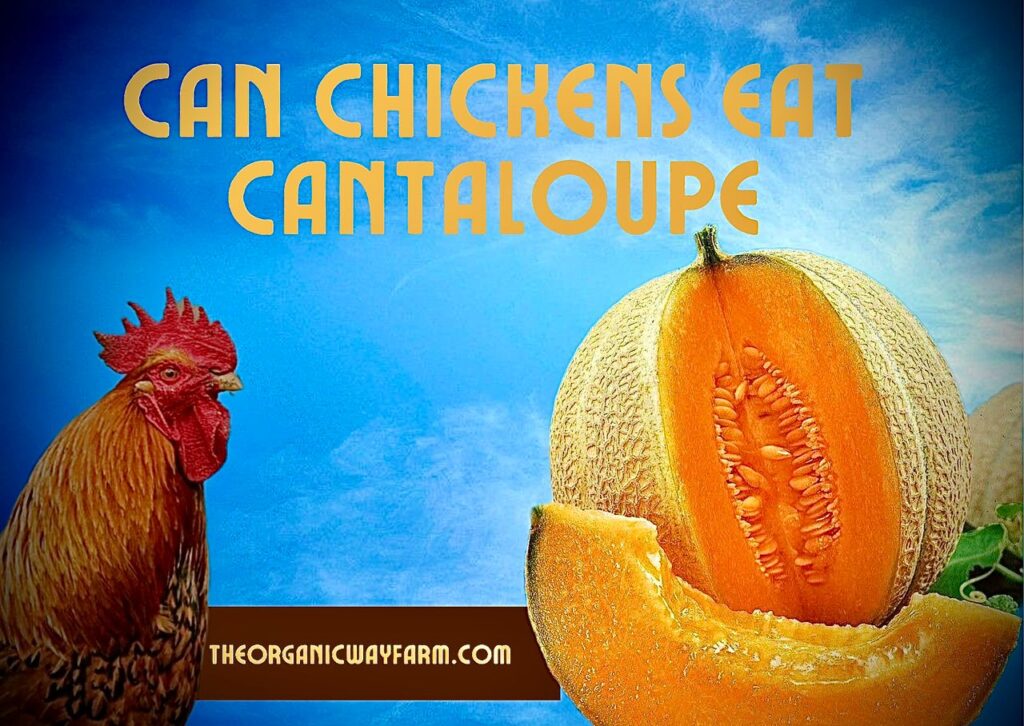
If you have chickens, you probably love finding new ways to keep them happy and healthy. Have you ever wondered, “Can chickens eat cantaloupe?” Well, you’re not alone! Many chicken owners are curious about what fruits and veggies their feathered friends can enjoy.
The short answer is YES, chickens can eat cantaloupe! This juicy fruit not only serves as a refreshing treat but also packs some great nutritional benefits for our flocks. So, how should we serve cantaloupe to our chickens? Are there any parts that they should avoid?
We will guide you through this juicy subject, answering all your cantaloupe-related questions as we go along. By the end, you’ll feel confident in treating your chickens to this delicious treat! Here’s what we will be covering:
- Can Chickens Eat Cantaloupe?
- How Much Cantaloupe Can Chickens Eat?
- Best Way to Feed Cantaloupe to Chickens
- Benefits of Feeding Cantaloupe to Chickens
- Risks and Dangers of Feeding Cantaloupe to Chickens
- Substitutes for Cantaloupe for Chickens
Let’s get started!
Can Chickens Eat Cantaloupe?
Yes, chickens can eat cantaloupe! This delightful fruit can be a great addition to our flock’s diet. Cantaloupe is packed with vitamins, minerals, and water content, which can keep our chickens healthy and hydrated, especially during the hot summer months.
When we introduce cantaloupe to our chickens, we should ensure that it is fresh and free of any mold or spoilage. Chickens can be quite particular about food, so providing them with high-quality options is essential. The flesh of the cantaloupe is safe and nutritious for chickens, while the sweet aroma can attract them and make mealtime more enjoyable.
Remember to remove the seeds before feeding cantaloupe to our chickens. While some seeds are harmless, it’s always best to play it safe; excess seeds can create digestive issues. By ensuring that we offer only the flesh and keeping it fresh, we allow our chickens to savor this delicious treat without any concerns.
You might also be intrested in: Can Chickens Eat Pineapple?
How Much Cantaloupe Can Chickens Eat?
Chickens can eat cantaloupe in moderation. While this fruit is safe and beneficial for them, it’s important not to go overboard. A general guideline is to offer cantaloupe as a treat, not as a main food source. Treats should only make up about ten percent of your chicken’s daily diet.
When feeding cantaloupe, we should consider the size of our flock and individual chickens. We can cut the cantaloupe into smaller pieces to make it easier for our chickens to eat. A few chunks per chicken should be enough to satisfy their cravings without overwhelming their digestive systems.
Watch our chickens as they enjoy this fruit! If they seem eager for more, that’s a good sign that they appreciate the treat. However, be mindful of their overall intake of fruits and vegetables, as too much sugar can lead to health issues.
In summary, moderation is key when offering our chickens cantaloupe. We can safely treat our birds to this delicious fruit while ensuring that their primary diet remains balanced and nutritious. By keeping portions reasonable and monitoring their health, we can have happy chickens all year long!
Best Way to Feed Cantaloupe to Chickens
We want to ensure that our chickens enjoy their cantaloupe treat in the best way possible. One approach is to provide it fresh, in its natural state. We can wash the fruit thoroughly to remove any pesticides or dirt before cutting it into smaller, manageable pieces.
Another option is to hang the cantaloupe in the coop. By suspending a piece of cantaloupe from a string or wire, we can create an engaging environment for our chickens. They’ll have to peck and flutter to get to the juicy slices, which can be a fun activity for our feathered friends.
It’s also a great idea to mix cantaloupe with other fruits and vegetables to provide various tastes and textures. By presenting an assortment in a chicken-safe container or mixing it into their regular feed, we can introduce them to a whole new world of flavors!
Keep an eye on how they respond to different methods. Some chickens may prefer nibbling on fresh pieces, while others love hanging fruits. Each flock is unique, and finding what our chickens enjoy the most can enhance their feeding experience.
Benefits of Feeding Cantaloupe to Chickens
Hydration
Cantaloupe is an excellent source of hydration for chickens. With its high water content—about 90 percent—bringing it as a treat keeps our birds hydrated, especially during hot days when they might sweat more than usual. Staying hydrated is essential for healthy and productive chickens!
Fiber
The fiber found in cantaloupe is beneficial for digestion. When we feed our chickens fiber-rich foods, it helps their digestive systems function smoothly. Proper digestion leads to better nutrient absorption, which contributes to overall health.
Vitamins and Minerals
Cantaloupe is filled with vitamins A and C, which boost our chickens’ immune systems and support healthy skin and feathers. Vitamin A helps with vision, while Vitamin C plays a role in overall health maintenance. These nutrients help keep our flock feeling their best and looking great!
Mental Stimulation
Offering cantaloupe also provides mental stimulation for our chickens. They are naturally curious animals who enjoy exploring and engaging with their surroundings. By serving cantaloupe in different ways—like hanging or as part of a fruit salad—we can promote their natural behaviors and keep them entertained!
Nutritional Breakdown of Cantaloupe
Cantaloupe is low in calories and fat, making it a great treat option for our chickens. This fruit also contains potassium, which is essential for maintaining electrolyte balances and promotes overall heart health in chickens.
In general, a 100-gram serving of cantaloupe has around 34 calories, making it a low-calorie treat that we can indulge our chickens with. This helps keep them healthy without adding unnecessary weight. By ensuring our flock receives a variety of nutrients from both their primary feed and occasional treats like cantaloupe, we can create a healthy balance for their overall well-being!
Risks/Dangers of Feeding Cantaloupe to Chickens
While cantaloupe is safe for our chickens, there are certain risks we need to be aware of. One concern is the potential for overfeeding. Too much sugar can lead to obesity and other health-related issues. It’s important to limit the amount and frequency of cantaloupe served to balance their diet properly.
It’s also wise to watch for any signs of digestive distress. If a chicken experiences diarrhea or discomfort after eating cantaloupe, monitor their health closely and consult a vet if needed. This way, we can ensure our chickens stay healthy and free of any complications.
Another issue to consider is the risk of mold. If we happen to serve cantaloupe that has gone bad, it can result in illness for our flock. Always double-check the fruit before serving and discard anything that doesn’t look fresh or safe.
Lastly, we should be cautious about the variety and overall treat options we provide. It’s essential to keep a balanced diet for our chickens. Feeding a range of fruits and vegetables can help prevent any negative side effects from sticking only to one type of food. By maintaining a diverse diet and watching our chickens’ reactions, we can help ensure they lead happy, healthy lives.
Substitutes for Cantaloupe for Chickens
If for any reason cantaloupe isn’t available, or we want to provide our chickens with different flavors, there are several great substitutes we can explore. Fruits like watermelon and honeydew melon can offer similar benefits and hydration. Remember to cut these into small pieces, just like we would with cantaloupe.
Other fruits such as berries, apples (without seeds), and bananas can also serve as delightful alternatives. While some fruits may be higher in sugar, they can still provide essential nutrients. As always, moderation is key—varying treats helps maintain our chickens’ interests and keeps them curious!
Vegetables are also excellent substitutes. We can try cucumbers or zucchini, both of which are refreshing and have high water content. Leafy greens like spinach, kale, or romaine lettuces can round out our chickens’ diets, providing additional vitamins and minerals.
The beauty of raising chickens is that we can experiment with various foods to find what our flocks love. This helps keep their meals exciting while ensuring they enjoy a diverse and healthy diet at all times!
Frequently Asked Questions
Can chickens eat cantaloupe seeds?
It’s best to remove cantaloupe seeds before feeding them to chickens. While a few seeds may not cause harm, it’s safer to offer only the flesh of the fruit to avoid potential digestive issues.
Can chickens eat cantaloupe rind?
Cantaloupe rind is not toxic to chickens, but it can be tougher for them to digest. If we decide to offer rind, we should slice it into small pieces to make it easier to eat.
How often can I feed my chickens cantaloupe?
It’s best to offer cantaloupe occasionally as a treat, rather than part of their main diet. Treats should make up around ten percent of their daily intake, so moderation is key!
Do chickens like cantaloupe?
Chicken preferences can vary, but many chickens love the sweet taste and juicy texture of cantaloupe. Keep an eye on individual flock members to see how they respond!
Is cantaloupe good for chickens?
Yes! Cantaloupe provides hydration, vitamins, and minerals that can benefit our chickens’ health. When served in moderation, it can be a great addition to their diet.
Final Thoughts
As we wrap up our exploration of whether chickens can eat cantaloupe, it’s clear that this sweet and juicy fruit can be a delightful treat for our feathered friends. With its many benefits, cantaloupe can keep them healthy and happy, especially during warm weather.
Remember to serve cantaloupe in moderation and watch for any reactions to ensure our chickens stay healthy. There are many alternatives to discover too! If you’re interested in more topics, check out Can Chickens Eat Grapes?, and continue your journey in learning how to provide the best care for our amazing flocks!