
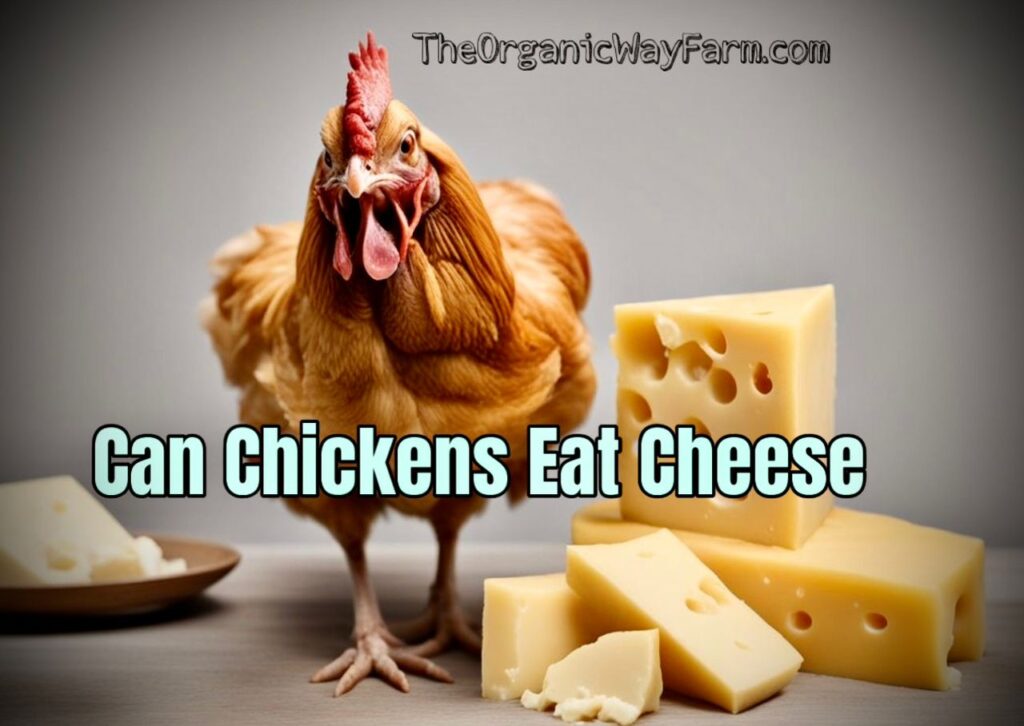
If you have a flock of chickens, you might be curious about their diet and what they can eat. One question that pops up often is, “Can chickens eat cheese?” This is a great question, and understanding their dietary needs can help keep your chickens healthy and happy.
The short answer is YES, chickens can eat cheese! Cheese can actually be a tasty treat for them when given in moderation. It’s packed with protein and can be an entertaining addition to their diet. However, just like with any treat, we need to be cautious about how much we give our feathered friends.
In this article, we will explore the benefits and risks of feeding cheese to chickens, how much to offer, and the best ways to serve it. It’s important to understand the ins and outs of any new food we introduce to our chickens, so let’s keep reading together!
Can Chickens Eat Cheese?
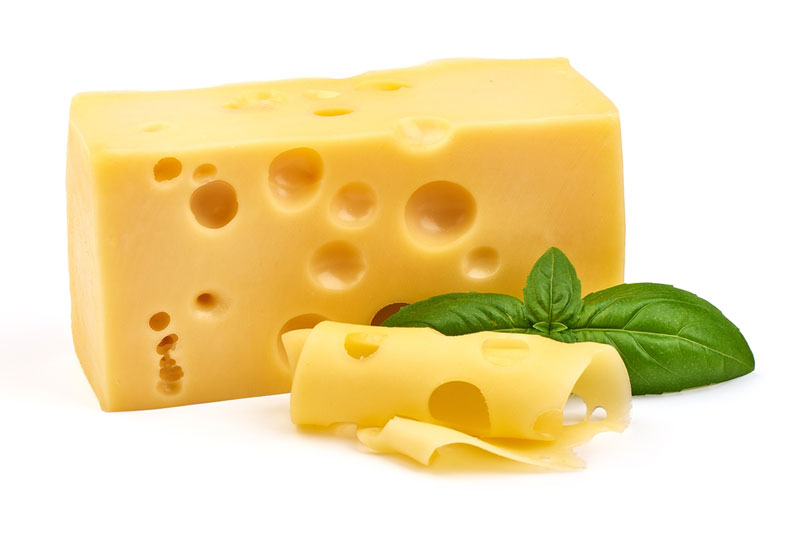
Yes, chickens can eat cheese, and they can enjoy it just like we do! Cheese is made from milk, which is a source of nutrients, including protein. When introducing cheese to our chickens, it’s essential to choose types that are fresh and without any added flavors or spices. Cheddar, mozzarella, or cottage cheese are all good choices.
It’s important to remember that while cheese has nutritional benefits, it also contains fats that can lead to weight gain in chickens if consumed excessively. They are omnivores, which means their diet can include grains, fruits, vegetables, and protein sources like cheese. So we can offer it to them as an occasional treat rather than a regular part of their diet.
You might also be intrested in: Can Chickens Eat Cherries?
How Much Cheese Can Chickens Eat?
Moderation is the key when feeding cheese to our chickens. Although it is delicious and nutritious, it should not make up a large portion of their diet. A small amount, about a tablespoon or two, is usually sufficient for a flock of chickens. We can consider offering cheese once or twice a week as a special treat.
Overdoing it can lead to digestive problems, weight gain, or even more significant health issues. It’s also good to remember that younger chickens have different dietary needs than older hens. If we are feeding younger chicks, it’s better to hold off on cheese until they are at least a few weeks old.
Additionally, watching how they respond to cheese is just as important. Observing their behavior and droppings can give us a good indication of whether they are handling the cheese well. If we notice any signs of distress or digestive problems, it may be best to cut back or eliminate cheese from their diet.
Best Way to Feed Cheese to Chickens
Introducing cheese to our chickens can be a fun experience for them and us! There are many ways we can serve cheese. One option is to shred or crumble the cheese, making it easier for them to peck at and eat. A small cheese board that we put out for them can be an exciting change in their routine.
Another great way to offer cheese is by mixing it with other foods they enjoy. For instance, mixing shredded cheese with grains, fruits, or vegetables can create a delightful treat that encourages them to explore new flavors and textures. Adding cheese to their daily feed might appeal to chickens that are picky about their diets.
Lastly, offering cheese during dispersed feeding can create a stimulating environment for them. Placing pieces of cheese around the coop or run can encourage them to forage and keeps them looking for the tasty morsels. This not only enriches their diet but also promotes physical activity and social interaction with their flock.
Benefits of Feeding Cheese ettuce to Chickens
Hydration
While cheese is not primarily a source of hydration, it can still play a role in keeping our chickens hydrated, especially if we serve it with other hydrating foods. Cheese can be a supplement to a balanced diet as long as they have access to clean water, which is always essential for their health.
Fiber
Cheese does not contain fiber, but when combined with fiber-rich foods like fruits and grains, it can create a balanced treat that benefits our chickens’ digestive health.
Vitamins and minerals
Cheese is a source of vitamins and minerals, including calcium, vitamin A, and B vitamins. These nutrients support various bodily functions in chickens, from maintaining strong eggshells to promoting overall health.
Mental stimulation
Offering cheese and other treats provides mental stimulation for our chickens. As they forage and explore for their favorite foods, they engage in natural behaviors that keep them active and happy.
Nutritional breakdown of cheese
It’s beneficial for us to know the nutritional breakdown of cheese when considering it for our flock. Cheese is rich in protein and fat, making it a quick energy source. However, knowing how it fits into their overall diet is essential. Continued research and education on chicken nutrition can lead us all to better practices and healthier chickens.
Risks of Feeding Too Many Cheese to Chickens
While cheese can be an enjoyable treat for our chickens, there are risks to be aware of. First and foremost, some chickens might be lactose intolerant, meaning they struggle to digest lactose found in milk products. This could lead to digestive issues like diarrhea or upset stomach. Therefore, it is best to observe their reactions closely when introducing cheese.
Another concern is the possibility of weight gain. Since cheese is high in fat, frequent feeding could contribute to obesity in our flock. Obese chickens often face other health issues, which we want to avoid. Keeping a balanced diet and ensuring that treats like cheese don’t surpass their regular feed will help maintain their health.
Lastly, feeding our chickens moldy or spoiled cheese should be strictly avoided. Just like with any food, bad cheese can lead to serious health problems. Therefore keeping an eye on the cheese’s freshness is vital to our flock’s well-being.
Substitutes for Cheese for Chickens
If we find that our chickens are not interested in cheese or if we prefer to substitute it with healthier options, there are plenty of alternatives. Yogurt is a popular substitute that many chicken owners utilize. It contains probiotics that can support gut health and is usually easier for chickens to digest compared to cheese.
Other dairy options like cottage cheese can also be a great choice. Just like regular cheese, moderation is critical to ensure their health. We must always be conscious of what we offer and ensure that it is beneficial for our chickens.
Can Chickens Eat Cheese? Frequently Asked Questions
Can all chickens eat cheese?
Most chickens can eat cheese, but it should only be given in small amounts. Cheese is high in fat and can be hard for some chickens to digest. While it’s generally safe, it should always be treated as an occasional snack, not a regular part of their diet.
How should cheese be prepared for chickens?
Cheese should be cut into small, bite-sized pieces or shredded so chickens can peck and swallow it easily. Avoid melted cheese, heavily processed cheese, or cheese mixed with spices. Plain, simple cheese works best.
Is cheese safe for baby chicks?
No, cheese is not safe for young chicks. Their digestive systems are too delicate to handle dairy products. Chicks should stick to chick starter and small amounts of soft, chick-safe treats as they grow older.
What types of cheese are best for chickens?
Soft, mild cheeses like mozzarella, cottage cheese, cheddar, or Swiss are safest. Cottage cheese is especially good because it’s softer and easier to digest. Avoid salty cheeses, spicy cheeses, blue cheese, or anything with added ingredients.
How do I know if my chicken has a dairy intolerance?
If a chicken has a dairy intolerance, you might notice diarrhea, bloating, watery poop, or reduced activity after eating cheese. If these symptoms appear, remove cheese from their diet and stick to non-dairy treats instead.
Final Thoughts
In summary, cheese can be a delightful treat for our chickens when served with care and moderation. Knowing the benefits and risks of including cheese in their diet allows us to make informed decisions for our flock. Remember, our chickens rely on us for their nutrition, and it’s up to us to provide them with healthy and enjoyable food options.
As we continue to explore the diverse diet of our chickens, we can learn more about what helps them thrive. If you want to know more about feeding different fruits like grapes, check out can chickens eat Kiwi? and enhance our knowledge further!