

Have you ever wondered if our feathered friends can enjoy a taste of cherries? If you have chickens roaming around your yard or farm, you may be curious about what types of fruits they can eat. Well, you are in the right place!
The answer is a resounding YES, chickens can eat cherries! These sweet and juicy fruits can provide a tasty treat for your flock. However, there are some important details to keep in mind to ensure we keep our chickens healthy and happy.
As we explore this topic together, we’ll uncover all there is to know about feeding cherries to chickens. So, let’s get started and gather all the juicy details about cherries and our feathery pals.
- Can Chickens Eat Cherries?
- How Much Cherries Can Chickens Eat?
- Best Way to Feed Cherries to Chickens
- Benefits of Feeding Cherries to Chickens
- Risks of Feeding Too Many Cherries to Chickens
- Substitutes for Cherries for Chickens
- Frequently Asked Questions
Can Chickens Eat Cherries?
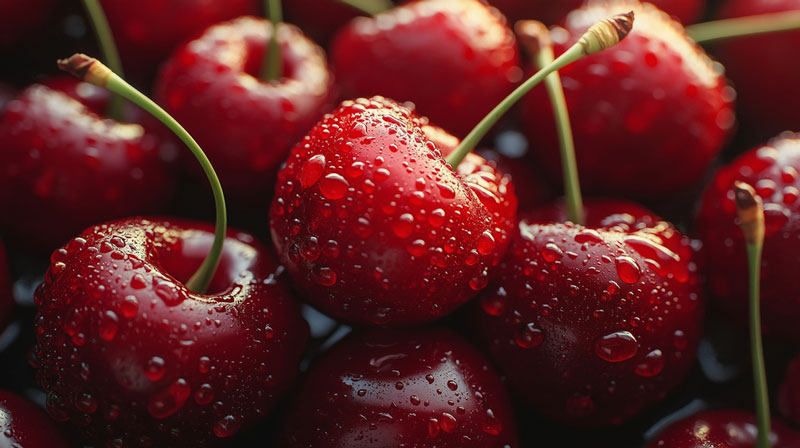
Chickens can certainly eat cherries! These fruits are safe for them and can actually be quite a delightful treat. Cherries are packed with nutrients and can provide various benefits to our chickens when fed appropriately. Just like us, chickens also appreciate a bit of variety in their diet. That is why offering them fruits like cherries can help them enjoy their meals more.
While it is true that chickens can eat cherries, we should be aware of how to properly prepare them. It is important to remove the pits, as they can pose a choking hazard and may not be safe for our birds to consume. By providing pitted cherries, we can ensure that our chickens enjoy this fruit worry-free.
It’s good to introduce cherries gradually into their diet. Like how we might try a new dish at a restaurant, we should see how our chickens respond to cherries. Some chickens may love them, while others may take a little time to warm up to the taste. It’s all about making their mealtime enjoyable!
You might also be intrested in: Can Chickens Eat Eggplant
How Much Cherries Can Chickens Eat?
When we consider feeding cherries to our chickens, portion control is very important. While these fruits are safe to eat, they should only be given in moderation. Chickens, like many animals, can easily overindulge if we aren’t careful with the amounts we offer.
As a general guideline, fruits like cherries should make up only a small portion of a chicken’s diet. A good rule of thumb is to offer cherries as a treat or supplement rather than a staple food. For example, try giving each chicken a small handful of cherries a few times a week. This way, we can avoid any possible issues and ensure they are receiving balanced nutrition.
When feeding cherries, it helps to photograph the amount in our palms, estimating one or two cherries per chicken at a time. This portion ensures they enjoy the treat without overdoing it on sugars. A superb way to keep their meals healthy is by maintaining a diet rich in layers that focus on grains, greens, and occasional fruits.
One great tip is to monitor our chickens after introducing cherries into their diet. Keep an eye on how many they consume and how they react. If any unusual behavior comes up, we might want to reduce the amount or eliminate them entirely to see if there is a difference. It’s all about making informed decisions to promote their well-being!
Best Way to Feed Cherries to Chickens
Feeding cherries to our chickens can be enjoyable and beneficial when done correctly. To create the best feeding experience, we should think about a few preparation methods.
First and foremost, always remember to wash the cherries thoroughly! Our chickens deserve clean and fresh produce, just like we do. After washing, we must take the time to remove the pits. This step is crucial, as those little seeds can cause choking or other digestive problems for our feathered friends.
Once prepared, there are several ways we can serve cherries to our chickens. One fun idea is to cut the cherries in half and scatter them in the run. This method can help engage our curious birds as they peck at the cherries and enjoy the taste.
Another option is to freeze cherries for a refreshing treat during the hotter months. It’s similar to how we enjoy popsicles on a hot day! Our chickens will love the cold cherries during warmer weather while also benefiting from hydration. Place the cherries in a dish, and allow them to thaw slightly so that they don’t become too icy.
We can also consider mixing cherries with other safe fruits for a delightful fruit salad. Mixing them with berries, bananas, or apples can create a colorful and nutritious snack! By giving our chickens new and exciting treats, we can help keep mealtime interesting.
Lastly, serve cherries as part of a foraging activity. Scatter the cherry halves around their environment to encourage natural foraging behavior. This method allows them to exercise and stimulates their minds. Always remember to supervise while they snack, ensuring no pieces are left that may cause choking.
Benefits of Feeding Cherries to Chickens
Hydration
Cherries are not just a delicious treat; they are also juicy! This juiciness means they can provide hydration to our chickens. Keeping our flock hydrated is essential, especially during hot weather or when they seem overly active. When we offer cherries, we are helping them get extra moisture in their diet, contributing to their overall health and wellness.
Hydration helps keep their organs functioning properly and is crucial for laying hens when it comes to producing eggs. We can enjoy knowing that offering cherries is one way to enhance the hydration levels of our chickens while providing a tasty treat.
When the weather gets warm, offering juicy fruits like cherries can make a significant difference. Birds are often susceptible to heat stress, and offering flavorful treats packed with water can help cool them down. On those hot summer days, we can all feel a little more refreshed after a fruity snack, right?
Fiber
One incredible benefit of feeding cherries is the fiber content they provide. Fiber is important for our chickens’ digestive health; it helps regulate their digestive systems and prevents issues like constipation.
Adding cherries into their diet gives them a boost of fiber while encouraging natural foraging behavior. Foraging is essential for chickens, as it stimulates their minds and helps to keep them happy. The fiber content in cherries contributes to strong digestion, which allows our chickens to absorb nutrients from other foods they eat better.
Providing cherries as a treat can create a balance in their overall diet filled with grains, leafy greens, and seeds. This soft fruit can also help keep laying hens productive, as healthy digestion supports egg production. Remember, more fiber means smoother digestion, and happier chickens!
Vitamins and minerals
Cherries are a fantastic source of vitamins and minerals, contributing to our chickens’ overall health. These fruits are loaded with antioxidants, which can help protect our chickens against illnesses and diseases. Including cherries in their diet enhances their immune system, just like we feel better when we eat nutritious foods.
Vitamins A, C, and K are found in cherries, and each plays an important role in supporting our chickens’ body functions. Vitamin A helps maintain eye health and supports immune function. Vitamin C acts as a natural antioxidant that protects cells from damage. Lastly, vitamin K plays a role in supporting strong bones.
The mineral content in cherries also supports our chickens’ health. Potassium in cherries is crucial for maintaining heart health and proper muscle function, allowing our chickens to remain active and energetic. Feeding them cherries gives us the chance to promote their overall well-being with every tasty morsel!
Mental stimulation
Feeding our chickens cherries is not only good for their bodies but also great for their minds! Providing different types of treats, like cherries, promotes mental stimulation and prevents boredom. Chickens can get bored quickly, leading to unwanted behaviors such as feather pecking or frustration within the flock.
When we scatter cherries in their environment or provide them as a reward for a job well done, we offer them a fun opportunity to work for their food. This simple foraging behavior can help keep their minds engaged and sharp! In turn, it creates a healthier and happier environment for them.
By utilizing fruits such as cherries, we encourage exploration and curiosity. This positive mental stimulation goes hand-in-hand with a rich and balanced diet. Happy and mentally stimulated chickens are often more productive and social, creating a joyful atmosphere on our farms!
Nutritional Breakdown of Cherries
Let’s break down the nutritional value of cherries to truly appreciate how they contribute to our chickens’ health. One cup of cherries (approximately 154 grams) contains around:
– 97 calories
– 25 grams of carbohydrates
– 3 grams of dietary fiber
– 2 grams of protein
– 0.3 grams of fat
Alongside these macronutrients, cherries also contain essential vitamins and minerals, such as vitamin C, potassium, and vitamin A. The various nutrients in cherries contribute positively to our birds while offering a tasty snack.
Understanding the nutrition behind cherries helps us advocate better for our chickens’ diets. By incorporating healthy treats, we can ensure our flock remains strong, lively, and able to lay beautiful eggs. We’re not just feeding them; we’re nourishing them and allowing them to thrive!
Risks of Feeding Too Many Cherries to Chickens
While cherries can be a delightful addition to our chickens’ diet, it’s crucial to be aware of the risks of overfeeding this fruit. One significant concern is the sugar content in cherries, which can lead to weight gain and other health issues if consumed in large quantities.
Too much sugar can disrupt a chicken’s metabolism and lead to obesity. It’s important to maintain a balanced diet rich in nutrients while treating them occasionally with cherries. Following the portion control guidelines we discussed earlier helps avoid any issues, ensuring our chickens consume a variety of foods and maintain their overall well-being.
Another risk comes from feeding cherries with pits. The pits contain cyanide, which is poisonous when ingested in high amounts. However, the pits should always be removed when serving cherries to chickens. If pits are left in or found in the shared space, it’s a dangerous oversight we want to avoid at all costs.
Finally, introducing cherries too quickly can cause digestive upset in some chickens. Every chicken has different tolerances, and being cautious with how we introduce new foods is smart. Always monitor their response and adjust accordingly. Keeping our chickens healthy and happy remains our top priority.
Substitutes for Cherries for Chickens
If we find that cherries aren’t suitable for a specific chicken or we prefer to switch it up, there are plenty of delicious substitute fruits to consider. Berries, for example, are fantastic alternatives; strawberries, blueberries, and raspberries all offer similar nutritional benefits without posing any major risks. They can be served whole or diced, and chickens often enjoy foraging for these treats.
Melons are another suitable option. Watermelon and cantaloupe both provide hydration and are refreshing treats during the warmer months. They can be served chopped or offered in whole chunks, giving our chickens a fun way to enjoy their snacks.
Another versatile option is apples. Chickens can eat apples, as long as we remove the seeds. Apples are packed with vitamins and can help keep their diet diverse.
While these substitutes can provide diversity in our chickens’ diets, we must maintain a balance to prevent any health issues. Just as we enjoy a variety of fruits in our own diets, our chickens can benefit from diverse options too!
Frequently Asked Questions
Can chickens eat cherry stems or leaves?
Chickens should avoid eating cherry stems or leaves. These parts of the cherry plant may contain cyanide, which is toxic in high amounts. Always ensure that we remove these parts before giving cherries to our chickens.
What other fruits can chickens safely eat?
Chickens can safely enjoy various fruits like apples, blueberries, bananas, and watermelon! Each offers different nutritional benefits while keeping mealtime exciting and fun for our feathered friends.
How should I introduce cherries to my chickens?
Start by offering small amounts of chopped cherries to see how your flock reacts. Gradually increase the quantity as they become more accustomed to the fruit. It’s essential to monitor their response and adjust accordingly.
Do chickens lose interest in treats?
Yes, sometimes chickens may grow bored with certain treats. To keep them engaged, we can rotate the types of fruits we offer regularly. Introducing new options will keep their mealtime lively and enjoyable!
Can I feed dried cherries to my chickens?
Feeding dried cherries is not advisable, as the drying process removes water content and raises the sugars, making them more concentrated. Stick to fresh cherries to ensure we provide healthy and balanced nutrition.
Final Thoughts
In conclusion, feeding our chickens cherries can be a delightful and nutritious experience when done correctly. By preparing the cherries properly, sticking to portion sizes, and introducing them gradually, we can help our chickens enjoy this tasty fruit.
From providing hydration to promoting mental stimulation, cherries are an excellent treat for our feathered pets. However, we should always be aware of the risks involved with overfeeding and ensure that we are offering a balanced diet.
It’s exciting to see our chickens thrive and enjoy their meals! So let’s keep looking for fun and safe treats to keep their days sunny and bright! If you want to explore more about what other tasty treats our chickens can enjoy, you can read about what else they can eat here. Happy farming!