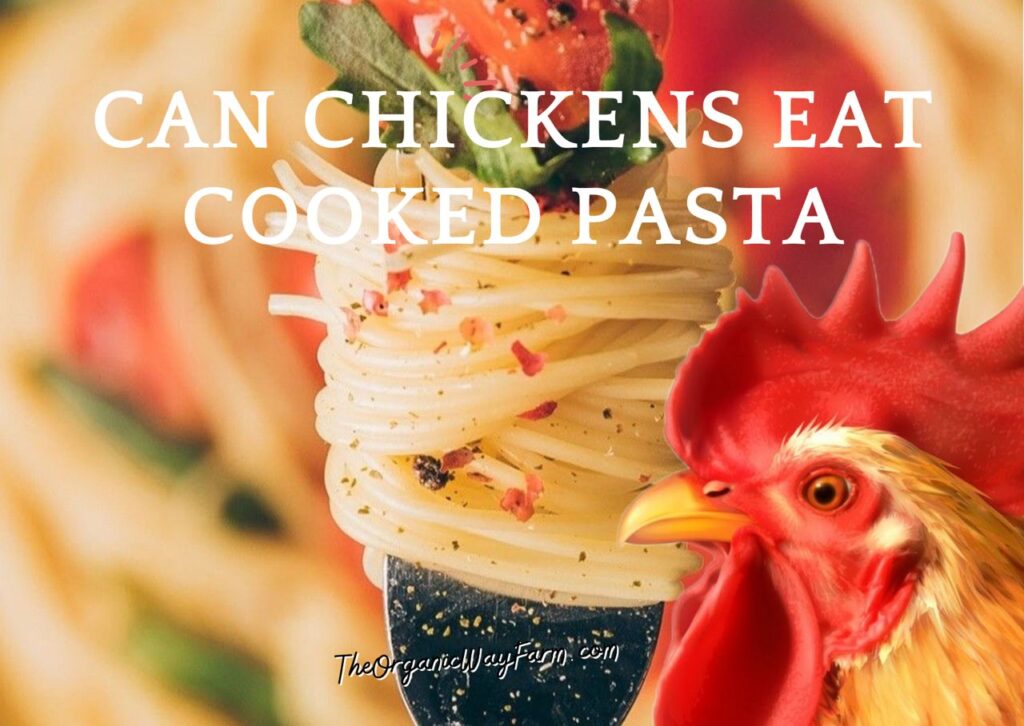
If you’ve ever had some leftover pasta hanging around, you might be wondering if your feathered friends can enjoy it too! Chickens are curious eaters, and they often love to try new foods. You may ask, “Can chickens eat cooked pasta?” Well, let’s put your mind at ease!
The good news is yes, chickens can eat cooked pasta. Pasta is not harmful to them, and they might even enjoy its texture and taste. However, it’s important for us to remember that while they can eat it, we should be mindful of moderation. Excess pasta can lead to unhealthy chickens just like it would for us if we had too much.
Stick around as we explore everything you need to know about feeding cooked pasta to chickens in a safe and healthy way. From how much to serve them, to potential benefits and risks, this guide will answer all your questions!
- Can Chickens Eat Cooked Pasta?
- How Much Cooked Pasta Can Chickens Eat?
- Best Way to Feed Cooked Pasta to Chickens
- Benefits of Feeding Cooked Pasta to Chickens
- Risks and Dangers of Feeding Cooked Pasta to Chickens
- Substitutes for Pasta for Chickens
- Frequently Asked Questions
Let’s get started!
Can Chickens Eat Cooked Pasta?
Chickens are known for their varied diet, which can certainly include grains and carbohydrates. Cooked pasta is made from wheat, which is safe and nutritious for chickens. When it comes to uniqueness, many humans enjoy pasta for its ability to absorb flavors, and chickens tend to appreciate a variety of textures in their food, too.
Pasta can be quite appealing to them. However, while our chickens can snack on cooked pasta, it is crucial that we don’t serve it as their main meal. Instead, we should think of pasta as a treat, adding some excitement to their regular diet rather than taking the place of essential nutrients. A balanced diet for chickens consists of grains, seeds, fruits, and vegetables, so we need to ensure that pasta does not take over their plate.
It’s also worth noting that we should avoid feeding them pasta with sauces or additives. Many sauces contain ingredients that can be harmful, like onions, garlic, and high salt content. When serving pasta to chickens, we want to keep it simple and free from any extras. We can even chop it into smaller pieces to make it easier for them to eat, especially if our flock includes younger chickens or those not used to larger foods.
The bottom line is that cooked pasta, in moderation and plain form, is a delightful addition to a chicken’s diet. With all that being said, we still have more ground to cover! Now let’s take a closer look at how much cooked pasta chickens can eat.
You might also be intrested in: Can Chickens Eat Noodles?
How Much Cooked Pasta Can Chickens Eat?
When we talk about how much pasta chickens can have, moderation is key! Just because our chickens can eat cooked pasta doesn’t mean they should eat it in excess. Too many carbohydrates can lead to health issues like obesity and related complications in chickens.
A general rule of thumb is that treats, like pasta, should only make up about ten percent of a chicken’s total diet. Our chickens’ main food should come from a balanced layer feed that fulfills their nutritional needs. Therefore, if you’re feeding them cooked pasta, we can ensure that it’s just once in a while.
Let’s break it down a bit. Assuming we are giving them cooked pasta as a treat, a small handful for a flock of chickens is usually sufficient. For example, one chicken might enjoy about one to two tablespoons of pasta at a time. If we are serving this as a treat, we should gauge their response. If they love it, maybe we can give them a bit more, but remember, the critical part is not to overdo it.
As we get used to giving pasta, we can keep track of their consumption. It’s a good idea to observe our chickens after we offer them new foods like pasta. Are they energetic and happy? Are there any changes in their droppings? This is all part of being a responsible chicken caretaker. If we notice that our chickens are doing well after feeding them a small amount of pasta, then we might consider it a treat they can enjoy occasionally.
Now that we’ve established how much cooked pasta can be safely enjoyed, let’s move on to the best ways to serve it.
Best Way to Feed Cooked Pasta to Chickens
Serving cooked pasta to chickens can be quite fun and creative! However, we want to make sure we’re doing it in the best way possible.
Once we have our cooked pasta, the first step is to ensure it’s plain and simple. Avoid any seasonings, but if we want to add a little something, we can mix in some fresh herbs or greens for added flavor and nutrition. Just remember that any sauces or toppings should not be included, as they could be harmful.
Chickens love food that is visually appealing, so breaking the pasta into smaller, manageable pieces can help. We can chop it up or tear it into bite-sized bits. If the pasta is too big, our chickens might not be able to eat it easily, and we always want them to feel comfortable with what they’re munching on.
Another great way to serve pasta is to hide it around their area as a fun scavenger hunt! Chickens enjoy foraging and exploring when they look for their food. This promotes natural behavior and adds excitement to their day. It is also a great opportunity for them to get some physical activity, which we always want to encourage for overall health!
While it’s crucial to offer pasta occasionally and in moderation, we can also mix it up with a variety of foods from the garden! Depending on the season, we can add in some chopped vegetables or fruits to their diet. This gives our chickens exposure to diverse tastes and textures, enhancing their overall diet.
Let’s now explore some impressive benefits for our chickens when we include cooked pasta in their meals.
Benefits of Feeding Cooked Pasta to Chickens
Hydration
Feeding cooked pasta to our chickens can help with hydration. Sometimes when we give dry foods, like grains, it might not help them stay hydrated. Cooked pasta retains some moisture, which can keep our chickens hydrated, especially during hot weather. We can create a balanced diet that helps them stay cool and comfortable.
Keeping our chickens well-hydrated is essential for their health and egg production. Since hens need a lot of water to produce eggs, incorporating foods like cooked pasta can aid in this. We can remember to always provide fresh, clean water alongside their meals, enhancing hydration even more!
Fiber
Pasta provides carbohydrates and contains some fiber—an essential component for a chicken’s digestive health. While traditional pasta is not as fibrous as grains and vegetables, it can still contribute to their overall fiber intake. Fiber promotes healthy digestion, which is vital because our chickens rely on their digestive system to process food effectively.
When we ensure our chickens have a mix of fiber-rich foods in their diet, we support gut health, reduce the risk of blockages, and help prevent issues like sour crop. A happy and healthy digestive system means healthier chickens and quality egg production!
Vitamins and Minerals
While pasta alone is not a strong source of vitamins and minerals, it can be an excellent companion to other nutritious foods we offer. Sometimes, including foods like cooked pasta as part of a varied diet helps them enjoy their meals while also gaining the vitamins and minerals they need.
For example, if we decide to layer some chopped vegetables or greens with pasta, our chickens will benefit. We can think about mixing in healthy options like spinach or peas—great sources of vitamins A, C, and K. Combining these diverse foods helps ensure our chickens get a proper balance of nutrients.
Moreover, groups of vitamins support different aspects of our chickens’ health. Vitamin A helps with vision and immune function, while B vitamins assist with energy metabolism. It’s wonderful to think that our simple act of feeding them pasta can lead to healthier and happier chickens!
Mental Stimulation
Chickens are intelligent animals, and they thrive when they get mental stimulation. Introducing new foods, like cooked pasta, can spark their curiosity and keep them engaged. When we scatter pasta or hide it around their coop or run, they must think a little harder to find their treats!
Engaging in foraging behavior and problem-solving through food encourages natural instincts and provides they should be kept active and healthy. This sort of exploration can also help reduce stress among the flock. Keeping chickens mentally stimulated leads to a happier and more cooperative group, allowing us to connect with them and enjoy their company.
Nutritional Breakdown of Cooked Pasta
While we’d never consider pasta a complete meal for our chickens, understanding its nutritional breakdown is helpful. Cooked pasta generally provides carbohydrates, which our chickens use for energy.
A typical serving of cooked pasta has about 27 grams of carbohydrates and approximately 4 grams of protein per cup. However, its fiber content is somewhat lower compared to other grains. This means that we should balance out pasta by ensuring they have other fibrous foods in their diet, too.
When we think about how cooked pasta interacts with other foods, we can create balances like protein from peas, seeds, or bugs along with carbohydrates from pasta. This unique combination leads to nutritious meals while allowing our chickens to enjoy a variety of flavors in their diets.
Dangers of Feeding Cooked Pasta to Chickens
Even though we can share cooked pasta with our chickens, we must watch for potential risks. While pasta itself isn’t harmful, we need to be cautious about how we serve it.
One concern is overfeeding. Chickens tend to love their treats, and too much pasta can lead to weight gain and related health complications. Keeping to that ten percent treat rule can help prevent this issue.
We should also ensure that any pasta we serve does not contain dangerous ingredients. Sauces are often loaded with additives or preservatives that chickens shouldn’t have. Foods that include onions or garlic, which can be toxic to chickens, are things we need to avoid sharing with them.
There’s also the risk of feeding them pasta regularly. Relying too heavily on carbs can lead to digestive issues. We want to be sure that chickens primarily eat wholesome grains and balanced feed to maintain their health.
Lastly, introducing any new food can sometimes lead to digestive upset, especially if we’re not careful with quantities. Chickens can be sensitive, so we must monitor them after introducing any new treats. If we notice changes in their droppings or behavior, it may be necessary to reconsider their feeding habits.
Substitutes for Pasta for Chickens
As with all treat foods, cooked pasta can be lovely for our flock, but it shouldn’t be the only option. Fortunately, there are plenty of substitutes we can consider.
For carbohydrates, grains like oats or barley make fantastic choices. These foods have higher fiber content and can provide a better balance for our chickens’ diets. While they may not be as fun as pasta, we can try sprouting these grains to bring out fresh, energetic elements!
Fruits and vegetables are also excellent substitutes. Chickens can enjoy a wide range of fresh produce, including melon, cucumber, or even berries. These options contribute vitamins and minerals while keeping their diets diverse and exciting.
Another fun alternative is whole grains like millet or quinoa! These grains pack a nutritional punch and are fun for chickens to peck at. Plus, we can cook them in the same way we’d prepare pasta, making them an easy transition.
Finally, it’s essential to provide some seeds or nuts occasionally. Chickens can benefit from healthy fats from sunflower seeds or peanuts. Though these should be given sparingly because of their calorie-rich nature, they can serve as rewarding treats on special occasions.
Can Chickens Eat Cooked Pasta? Frequently Asked Questions
Can chickens eat pasta every day?
No, we should only give pasta occasionally as a treat! Chickens need a balanced diet primarily from their chicken feed.
What happens if chickens eat too much pasta?
If chickens consume too much pasta, they can become overweight and experience digestive problems. It’s best to keep pasta as a small portion of their diet.
Can chickens eat spaghetti?
Yes, chickens can eat spaghetti! Just ensure it’s cooked and plain without any sauces.
Is whole-grain pasta healthy for chickens?
Whole-grain pasta may offer slightly more health benefits due to its higher fiber content. Moderation is always important!
Can different breeds of chickens eat cooked pasta?
Yes, all breeds of chickens can enjoy cooked pasta! Just be attentive to their dietary needs and serve it in moderation.
Final Thoughts
In summary, feeding cooked pasta to our chickens can be a fun and nutritious treat when done correctly. Steering clear of sauces and adhering to moderation can allow our feathered friends to indulge in this delightful food.
While we watch for potential risks and balances in their diets, chicken care can continue being exciting with so many different foods to explore! Let’s keep nurturing our flocks with loving care and creativity.
For more about what other foods your chickens might enjoy, check out our articles on grapes, tomatoes, and bananas. Engaging with our chickens through healthy meals fosters a connection while keeping them happy and healthy. Happy chicken-keeping!