
Chickens are wonderful and curious creatures that often enjoy trying new foods. As chicken keepers, we frequently find ourselves asking the question, “Can chickens eat figs?” It’s a good question, and trust me, you are not alone in pondering it!
Now, to answer your question directly: YES, chickens can eat figs. These sweet fruits can be a delightful treat for our feathery friends. However, just like with any other food, there are some important details we need to know. How many figs can they eat? Are all parts of the fig safe for chickens?
Keep on reading, and we will explore this topic together so that we can safely share some figs with our precious chickens! Below are the subheadings we will cover in this article:
- Can Chickens Eat Figs?
- How Much Figs Can Chickens Eat?
- Best Way to Feed Figs to Chickens
- Benefits of Feeding Figs to Chickens
- Risks and Dangers of Feeding Figs to Chickens
- Substitutes for Figs for Chickens
- Frequently Asked Questions
Let’s get started!
Can Chickens Eat Figs?
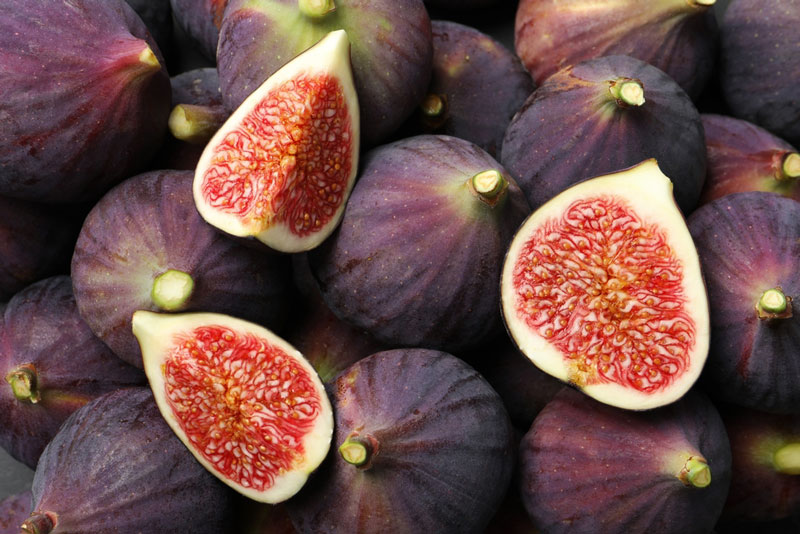
Absolutely, chickens can eat figs! Figs are not toxic to chickens, and they can genuinely enjoy the taste of these sweet fruits. In nature, chickens often forage for various fruits, seeds, and vegetables, and figs fit right into this category. Not only do chickens enjoy the taste, but figs can also provide certain nutrients that are beneficial for them. However, there are a few essential points we should keep in mind while feeding figs to our chickens.
Figs come in various types, such as fresh figs, dried figs, and fig preserves. Fresh figs, in particular, can be a fantastic and nutritious treat. Dried figs are also an option but should be fed in moderation due to their sugar concentration. It is important to cut the figs into smaller pieces to make it easier for our chickens to eat them, especially if they are fresh and soft.
You might also be intrested in: Can Chickens Eat Cabbage?
How Much Figs Can Chickens Eat?
Knowing how many figs we can give our chickens is very important. Moderation is key! Figs are high in sugar, particularly when they are dried. A few fresh figs can be a tasty snack, but we should not make them a primary part of the chicken’s diet, which should mainly consist of properly balanced chicken feed.
As a good rule of thumb, we can feed our chickens about one or two figs per day for a flock of five to six chickens. This amount allows them to enjoy the fruits without exceeding their recommended daily sugar intake. If you have a bigger flock, you can offer them a few more figs, but always maintain moderation. Starting with one fig and monitoring your chickens for any digestive issues is a good idea.
If you notice any adverse reactions, such as diarrhea or trouble eating, it’s best to reduce the amount or eliminate figs from their diet altogether. You can also try introducing figs gradually and see how your chickens respond to them.
Remember, fresh water should always be available for our chickens when introducing any new food. This ensures they stay hydrated and can digest their food more effectively.
When trying any new treat, we want to be observant and responsible chicken keepers. Understanding their needs and limitations is essential for keeping our feathered friends happy and healthy.
Best Way to Feed Figs to Chickens
Feeding figs to our chickens can be fun, but we want to do it in the best way possible! First, we need to rinse the figs thoroughly to remove any pesticide residues. This step is crucial if the figs are not organically grown. We want to ensure that our chickens are eating clean and safe food.
After rinsing, we can chop the figs into smaller pieces, especially if they are large. Chickens are generally curious and will peck at their food, but small pieces make it easier for them to eat and enjoy the figs. It can be a fun activity for them as they scratch and peck at the pieces.
Another method is to mix figs into their regular feed. This way, they can get a taste of something sweet while still receiving their balanced diet. Just mix in a few small pieces of fig with their feed and watch them enjoy the added treat. Keeping the ratio low ensures they are not consuming too much sugar at once.
One creative idea is to freeze figs and offer them as a treat during hot weather. Chickens often appreciate a cold treat on warm days, and frozen figs can be a refreshing snack. Simply chop the figs, freeze them, and then let them thaw slightly before offering them to the flock.
As we introduce figs into their diet, we should observe how our chickens react. They may enjoy the new texture and taste, but if there is any sign of distress or discomfort, we should consider other options or reduce the amount given.
Benefits of Feeding Figs to Chickens
Hydration
Figs contain a significant amount of water, making them a hydrating snack for our chickens. Staying hydrated is essential, especially during warmer months or if your chickens expend lots of energy foraging and laying eggs. By feeding them figs, we can help keep their water levels up, contributing to their overall health and well-being.
Fiber
Figs provide fiber, which aids in digestion. Digestive health is crucial for chickens, and fiber helps in smooth processing of food. Adequate fiber in their diet can help prevent issues such as constipation and promote a healthy balance in their gut. Offering figs occasionally can be a supporting addition to their natural diet, which includes grains and greens.
Vitamins and Minerals
Figs are rich in vitamins such as vitamin A, vitamin B6, vitamin K, and minerals like calcium, magnesium, and potassium. These nutrients are important for the overall health of chickens. Vitamins help with everything from immune function to healthy feather growth, while minerals support strong bones and a healthy cardiovascular system. Feeding figs as a treat once in a while can add nutritional diversity to their regular diet.
Mental Stimulation
Chickens are intelligent creatures that thrive on stimulation. Adding different food, such as figs, can pique their interest and encourage them to forage and explore. Providing a variety of foods keeps their environment exciting and ensures that they are engaged and active, leading to happier chickens.
Nutritional breakdown of figs
A nutritional breakdown of figs shows their sweetness and how beneficial they can be in small amounts. One medium-sized fig contains about 37 calories, which includes natural sugars and fiber. Being mindful of their nutritional aspects helps in giving them treats while keeping their diets balanced.
Dangers of Feeding Figs to Chickens
While figs can be a delightful treat, we need to be cautious as well. Fig fruit contains a higher sugar content than many other fruits. If offered in excess, this sugar can lead to issues like obesity and other health problems in chickens. Moderation is the key to ensuring our chickens remain healthy.
Chickens can sometimes have sensitive digestive systems. Feeding them figs, particularly in large amounts, can lead to digestive upset, including diarrhea. Observing their reactions after introducing any new food is wise. If any adverse reactions occur, we need to reassess what we provide.
Another concern is the possibility of choking. Figs have a soft texture, but if whole figs are given, especially for larger chickens, they could pose a choking hazard. Always cut figs into small pieces to ensure our chickens can enjoy them safely.
Like any new food, introducing figs gradually will help gauge the response from our flock. Keeping a close eye on their behavior and health is essential to avoid any potential risks associated with feeding figs.
As responsible chicken owners, we must prioritize the health and well-being of our flock. This way, we can enjoy sharing treats like figs without compromising their safety.
Substitutes for Figs for Chickens
If we find that feeding figs does not suit our chickens or if they have had a negative reaction, there are plenty of other delicious fruits to add to their diet! We can offer them alternatives like berries, melons, or apples. These fruits also provide that satisfying sweetness and added nutrients without the high sugar content found in figs.
Considering fruits like blueberries or apples will provide similar health benefits. Berries are low in sugar and high in antioxidants, promoting a healthy immune system. Apples are rich in fibers and can improve digestion, making them another delightful option that chickens often enjoy.
It’s important that we provide variety in their diet. Not only will this benefit their health, but it will also keep them curious and engaged. When one fruit is not preferred, offering another option can lead to surprising discoveries for both us and our chickens.
Should we find that our chickens have enjoyed figs tremendously, it can be helpful to rotate treats every now and then. Changing things up allows the chickens to explore different foods without growing too accustomed to eating the same thing repeatedly.
Can Chickens Eat Figs? Frequently Asked Questions
Can chickens eat dried figs?
Yes, chickens can eat dried figs, but we need to be cautious about the quantity. Dried figs contain more concentrated sugars, and it is best to limit their intake.
Can chickens eat fig leaves?
Chickens can nibble at fig leaves, but they should not be a main part of their diet. If they are offered fig leaves, do so in moderation.
Are figs harmful to chickens in any way?
Figs can be harmful if consumed in excess due to their high sugar content. Moreover, whole figs should be sliced to prevent choking hazards.
How often can chickens have figs?
Chickens can have figs as an occasional treat, about one or two figs per day depending on the size of your flock. Moderation is key to keeping them balanced.
Can chickens eat fig jam or preserves?
No, chickens should avoid fig jam or preserves as they may contain added sugars or preservatives that are not healthy for them.
Final Thoughts
In conclusion, figs can be a delightful and nutritious treat for our chickens if offered in moderation. The hydration, fiber, vitamins, and minerals they provide benefit their overall health. Additionally, we can keep their dining experience exciting by introducing a variety of fruits to their diet!
Let us always remember to monitor our chickens’ response to new foods, ensuring that their health remains our priority. If we are ever in doubt, we can consult with veterinary professionals to help guide us in making the best choices for our feathered companions.
If you’re interested in expanding your chickens’ diet further, check out these articles on chickens eating grapes or chickens eating tomatoes. Happy feeding!