
Have you ever wondered if chickens can eat fish? It’s a great question and one that many chicken owners ask. Chickens are omnivores, and they typically eat a wide variety of foods, which sometimes includes meats. Fish is a source of protein, which is essential for chickens, so it may seem like a natural addition to their diet.
The short answer is yes; chickens can eat fish. However, just like with any other food, moderation is key. Not all fish are created equal, and we need to be mindful of what we’re offering. While a small amount can be beneficial, we should be cautious about potential risks as well.
Continue reading as we explore all the aspects of feeding fish to chickens, including how much to give, the best ways to feed them, the benefits this type of food can offer, and the risks we should watch for. You’ll also find some useful substitutes if fish does not fit into your chicken’s diet. So let’s get started!
Can Chickens Eat Fish?
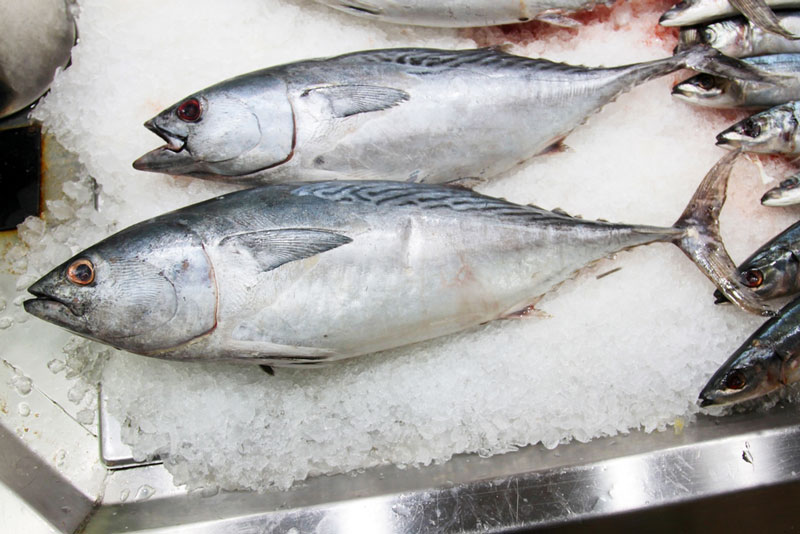
Chickens can indeed eat fish, making it an intriguing addition to their diet. Fish is known for its high protein content, which is vital for the growth and health of our feathered friends. Offering them a variety of proteins helps to keep their eggs nutritious, resulting in healthier eggs. Yet, just like we pay attention to our diet, we should be careful about what we feed our chickens.
Not every type of fish is suitable for chickens. Fresh fish, cooked fish, and fish meal are different options available. Many chicken owners might wonder about raw fish; while chickens are quite tough, raw fish could pose some risks such as parasites. Cooking the fish kills these potential threats and makes it safer for our chickens to consume.
Another factor to consider is the seasoning. We tend to add all sorts of spices and additives when preparing fish for ourselves, but this is not a good idea for chickens. We should offer them plain, cooked fish without any added ingredients. This way, we avoid any health issues or digestive problems.
You might also be intrested in: Can Chickens Eat Meat?
How Many Fish Can Chickens Eat?
Portion size is essential when introducing any new food item into a chicken’s diet, including fish. Generally, fish should only make up a small portion of their regular meals. Why is that? Too much protein can lead to health problems such as kidney strain. A good rule of thumb is to offer fish no more than a couple of times a week, and limit the portion size.
If we’re just starting to add fish to their food, we can give them a small piece to see how they react. If they enjoy it and seem to digest it well, we can gradually introduce it into their diet more often.
As we’re keeping track, we should also monitor their behavior and health. If any unusual symptoms arise, we should think twice about how much fish they are eating, or reconsider whether fish should be a part of their diet. Well-fed chickens are happy chickens!
Best Ways to Feed Fish to Chickens
Feeding fish to our chickens can be done in a few different ways. The most straightforward method is to cook the fish first, as we mentioned earlier. Keeping it plain—without seasoning—is essential for keeping our flock healthy.
A great way to serve fish is to flake or shred it into smaller pieces. Chickens enjoy pecking at their food, and letting them scratch and search for small pieces makes mealtime more engaging for them. We can mix the fish with their regular feed, which can help them to consume it more easily.
Another way to serve fish is in a homemade treat mix. If we’re feeding chickens scraps and leftovers, we can combine small bits of cooked fish with grains, vegetables, or other safe chicken foods. This way, they can enjoy a tasty treat while also benefiting nutritionally.
When giving fish, it’s a great idea to observe our chickens. If we notice any favorites among our flock, we can use that knowledge to refine their diet and make sure they are excited about mealtime.
Benefits of Feeding Fish to Chickens
Hydration
Fish are an excellent source of hydration. Just like us, chickens benefit from staying well-hydrated, and the moisture in fish contributes to that need. Proper hydration is essential for their overall health and can result in improved egg production. They need fresh water available at all times, but fish can help supplement their hydration levels.
Fiber
The importance of fiber can’t be underestimated. While fish itself doesn’t offer a lot of fiber, using it alongside grains and vegetables can balance our chickens’ diet. A healthy mix of foods can help keep their digestive systems happy and functioning well.
Vitamins and Minerals
Fish are rich in essential vitamins and minerals. Introducing fish into our chickens’ diet can provide them with nutrients like Omega-3 fatty acids, which are important for their circulation and overall health. Healthy chickens lead to healthy eggs!
Mental Stimulation
It’s not only about food; mental stimulation is crucial too. Offering our chickens a variety of foods, including fish, can keep their minds active and engaged. Each time we introduce something new, it invites exploration and curiosity, which are essential to their well-being.
Nutritional Breakdown of Fish
Fish usually contains significant amounts of protein, varying depending on the type of fish. This protein is necessary for muscle development and antibodies, which help keep our chickens healthy. By diversifying their diet, we ensure they get the nutrients they need to thrive.
Dangers of Feeding Fish to Chickens
As much as there are benefits, we must recognize the potential risks of feeding fish. One concern is mercury levels found in certain types of fish. Fish that are higher on the food chain can accumulate toxins from their environment, which can be harmful to both chickens and humans. It’s wise to stick to lean, low-mercury fish options.
Another risk is the presence of bones. Small fish bones can become a choking hazard for chickens if not removed. We should always take the time to debone the fish before offering it to our flock.
It’s also important to remember that not all chickens will react the same way to fish. Some may be more sensitive, leading to digestive issues. Always observe our flock for any signs of discomfort to ensure they are not adversely affected by the introduction of a new food.
Substitutes for Fish for Chickens
If fish doesn’t fit our chicken feeding routine, there are other healthy protein sources we can explore. Options like cooked eggs, small amounts of meat, or even mealworms can provide essential nutrients similar to what fish would offer. Rotating protein sources helps keep their diet interesting and balanced.
It’s essential to remember that while fish can be a tasty treat for our chickens, it should remain a complementary option rather than their primary food source. We can always explore other foods to keep them healthy and happy!
Can Chickens Eat Fish? Frequently Asked Questions
Can chickens eat raw fish?
Chickens can eat raw fish, but it is not the best option. Raw fish may carry bacteria or parasites that can upset a chicken’s digestive system. Lightly cooked fish is safer and easier for chickens to digest. Always remove bones before feeding.
What are the best types of fish for chickens?
The best fish for chickens are mild, low-fat fish such as tilapia, sardines, salmon, tuna, and mackerel. These fish are rich in protein and healthy fats. Make sure the fish is plain, fully cooked, and free from salt or seasoning.
How often should I feed my chickens fish?
Fish should be given as an occasional treat, about once a week. While fish is nutritious, too much protein can cause digestive problems. A balanced chicken feed should remain the main part of their diet.
Are there any fish I should avoid?
Yes, avoid feeding chickens spoiled fish, heavily salted fish, smoked fish, or fish cooked with spices. Also avoid fish with many small bones, as they can be a choking hazard. Never give fish that smells bad or looks rotten.
Can chickens eat fish skin?
Yes, chickens can eat fish skin as long as it is clean, cooked, and free from seasoning. Fish skin contains healthy fats, but it should be fed in small amounts because it is high in oil.
Final Thoughts
We’ve covered a lot about chickens and their ability to eat fish. Embracing a varied diet enriches their lives and supports their health. Fish can be a beneficial addition if we pay attention to the type, amount, and preparation. As we experiment with their diet, we can make sure our chickens not only stay healthy but also enjoy their meals!
Feel free to explore more topics to ensure your flock has the best experiences with food. For example, you can learn about what they can eat by checking out chickens and grapes, or how they interact with tomatoes and bananas. Each type of food has its benefits and risks to explore!