If you have a flock of chickens, you may often wonder about the best food options for them. One question that frequently comes up is, “Can chickens eat green beans?” The answer is a resounding yes! Chickens can safely eat green beans, and they can actually be quite beneficial to your feathered friends.
In this article, we will explore the details about feeding green beans to our chickens. We will learn about the appropriate amounts, the best ways to serve them, the wonderful benefits they provide, and the few risks you should be aware of. We will also highlight some substitutes for green beans and answer some frequently asked questions.
So, let’s jump into this exciting topic and discover all the juicy details about green beans for chickens! Here’s what we’ll cover:
- Can Chickens Eat Green Beans?
- How Much Green Beans Can Chickens Eat?
- The Best Way to Feed Green Beans
- Benefits of Feeding Green Beans to Chickens
- Risks/Dangers of Feeding Green Beans to Chickens
- Substitutes for Green Beans
- Frequently Asked Questions
- Final Thoughts
Let’s get started!
Can Chickens Eat Green Beans?
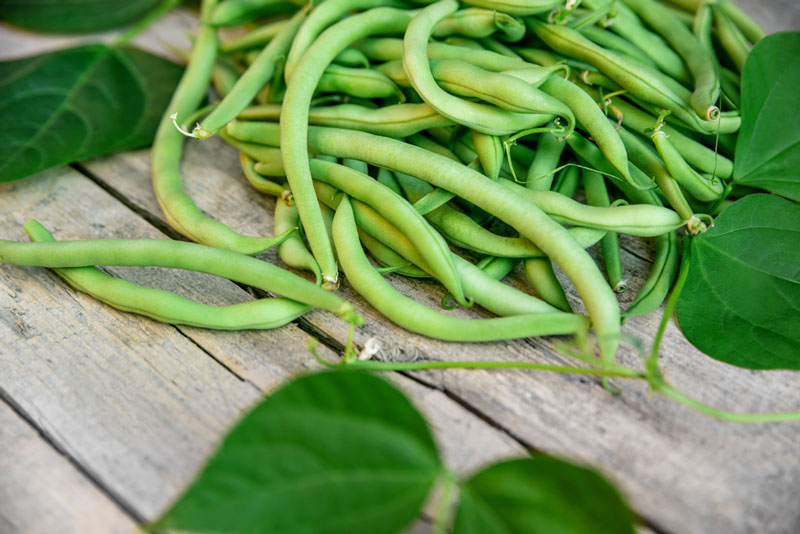
Absolutely! Chickens can eat green beans, and they actually enjoy them. These crunchy veggies are nutritious and full of benefits for our clucking companions. Green beans are a great addition to a chicken’s diet, offering a variety of vitamins and minerals. Not only do they help keep our chickens healthy, but they also provide a fun treat and some mental stimulation as they peck at them.
When we talk about feeding green beans to chickens, we need to ensure that they are fresh and properly prepared. Raw green beans are perfectly safe for chickens to consume. However, it’s best to cut them into smaller pieces to make it easier for the chickens to eat and to avoid any choking hazards.
We often think that chickens will only eat grains or seeds, but it’s wonderful to know that they can enjoy a colorful variety of fruits and vegetables too. Green beans are easy to grow in a garden, which means we can provide our hens with fresh green beans straight from our own backyard. This not only improves their diet but also strengthens our bond with them as we offer nutritious food options.
It is essential to keep in mind that while green beans are safe, they should not make up the entirety of a chicken’s diet. Chickens thrive on a balanced diet that includes grains, proteins, and other vegetables. Green beans can serve as a treat, but moderation is critical for our chickens’ overall health. A diverse diet helps ensure they receive all the necessary nutrients for laying eggs, feather development, and general well-being.
How Much Green Beans Can Chickens Eat?
Portion control is key to maintaining a balanced diet for our chickens, just like it is for us. When adding green beans to our chickens’ diets, we need to think about how much is a healthy serving. Chickens should consume green beans as a treat rather than a primary food source. A good guideline is to offer them about 10% of their daily diet in treats, which includes green beans along with other fruits and vegetables.
For an average-sized chicken, this could translate to a few green beans per bird. It’s advisable to start small. Maybe offer one or two beans cut into smaller pieces. Observe how they react to this new treat. Chickens can be curious creatures, so they might peck at the beans with enthusiasm! If they enjoy them, we can gradually increase the quantity while ensuring that the main portion of their diet remains balanced.
When we provide green beans, we should be cautious not to overload their offerings. Too many beans, especially raw, might lead to digestive issues. It is also important to remember that feeding them the right amount makes it easier for them to digest and absorb the nutrients effectively.
We should also keep in mind that every chicken is different. Their age, size, and health will influence how much they can eat. Adult chickens will be able to eat more than chicks. If we have any concerns about their diet or health, consulting a poultry expert or veterinarian is always a wise choice.
In conclusion, moderation is key to maintaining our chickens’ health while ensuring they enjoy tasty treats like green beans.
The Best Way to Feed Green Beans
When it comes to offering green beans to our chickens, we have a few options. We can serve them raw, cooked, or mixed with other treats. Each method comes with its benefits, and we can choose based on what we think our chickens will love the most!
Serving raw green beans is a popular choice. We can wash them and chop them into smaller pieces before scattering them in the coop or coop run. This encourages our hens to forage and search for their tasty treasures. It’s interesting for them and provides some mental stimulation as they scratch around looking for those beans.
We can also cook the green beans if we prefer. Cooking can soften the beans, making them easier for our chickens to chew. However, we should avoid adding any butter or seasoning as those can be harmful to chickens. Steaming or boiling them without any additives is a great option. Once they are cool, we can chop them up and serve them to our flock.
Mixing green beans with other healthy foods can be an exciting way to make mealtime appealing. We can mix chopped green beans with grains or even other vegetables for a nutritious treat mix. Chickens love variety, and this approach allows them to explore new tastes and textures.
It is always wise to introduce new foods gradually. We should monitor how the chickens respond to green beans and whether they have any digestive issues. If they seem to enjoy it and have no adverse reactions, then we can continue including green beans in their diet.
Lastly, we can also provide dried green beans in moderation. While they do contain fewer nutrients than fresh or cooked beans, they still serve as a nice crunchy snack. This could be an option if fresh beans are unavailable, and we should always feed them in moderation.
Benefits of Feeding Green Beans to Chickens
Hydration
Green beans contain a significant amount of water, making them an excellent source of hydration for our chickens. Just like humans, chickens need plenty of water to stay healthy, especially during hot weather. Providing green beans can help boost their overall water intake, ensuring they remain hydrated and comfortable. This hydration will support egg production and overall vitality, keeping our feathered friends happy and energetic.
Fiber
Fiber is essential for our chickens’ digestive health. Green beans are a good source of dietary fiber, which can help regulate their digestion and ensure smooth bowel movements. Getting the right amount of fiber can prevent digestive issues like constipation and promote a healthy gut. This is vital for the production of nutrient-rich eggs and overall health. Feeding green beans can help us maintain our chickens’ digestive systems and support their long-term well-being.
Vitamins and Minerals
Green beans are packed with vitamins and minerals that support our chickens’ immune systems and overall health. They contain vitamins A, C, and K, as well as essential minerals like potassium and magnesium. These nutrients play vital roles in various bodily functions, including bone health, muscle function, and boosting the immune system. By feeding our chickens green beans, we can ensure they receive important nourishment that keeps them strong and healthy.
Mental Stimulation
We all know that chickens are intelligent animals. Giving them different foods, including green beans, provides mental stimulation. This encourages them to explore and forage, preventing boredom in their environment. By keeping their minds active, we promote healthy behaviors and ensure happy, contented chickens. It can also reduce aggressive behaviors and help maintain a peaceful flock.
Nutritional Breakdown of Green Beans
Understanding the nutritional content of green beans helps us appreciate the contributions they can make to our chickens’ diets. In general, green beans are low in calories but high in essential nutrients, giving us the perfect treat. They provide carbohydrates, fiber, vitamins, and a bit of protein, making them a versatile addition to our chickens’ meals. By enhancing the nutritional quality of the chickens’ diets, we aid in their growth, egg production, and overall health.
Risks/Dangers of Feeding Green Beans to Chickens
While green beans have many benefits, we also need to be aware of the potential risks associated with feeding them to our chickens. The primary concern centers around the consumption of raw green beans. Raw green beans contain lectins, which can be harmful in large amounts. These lectins can cause digestive upset, nausea, and discomfort in chickens.
To minimize these risks, it’s best to offer green beans in moderation and to ensure they are well-prepared. Cooking green beans can help reduce the lectin content, making them safer for our birds. Boiling or steaming them is a great way to provide a warm meal while minimizing any potential dangers.
Another possible risk is contamination. Just like with any other food, we should wash green beans thoroughly to remove dirt, pesticides, or chemicals that could harm our chickens. Always use organic beans when possible, as they are less likely to have harmful residues.
If we notice any unusual behavior or health issues in our chickens after introducing green beans, we should consult a veterinarian promptly. Always remembering that our chickens’ health should be our top priority can help us ensure they live long, happy, and healthy lives.
Substitutes for Green Beans
If green beans are not available, there are several other healthy treats we can provide to our chickens to keep their diet interesting and nutritious. Here are some great substitutes:
1. **Peas** – Similar in texture and nutritional quality, peas are full of protein and make an excellent treat for chickens.
2. **Carrots** – Chickens love the crunch of carrots! Grated or chopped carrots can provide many of the same nutrients as green beans.
3. **Bell Peppers** – These colorful veggies are bursting with vitamins and can be offered raw or cooked.
4. **Zucchini** – This summer squash can be given raw or lightly cooked, offering hydration and nutrients.
5. **Broccoli** – Packed with vitamins, broccoli florets can be a delightful, nutritious treat for chickens.
By offering a variety of treats, we can ensure that our chickens receive a balanced and exciting diet, promoting healthy living and well-being.
Frequently Asked Questions
Can chickens eat canned green beans?
It’s best to avoid canned green beans due to added sodium and preservatives. Fresh or cooked green beans are a healthier choice.
Can chickens eat raw green beans?
Chickens can eat raw green beans in moderation. However, cooking them slightly reduces potential risks associated with lectins.
Can baby chicks eat green beans?
While baby chicks can eat small, softened pieces of green beans, it’s crucial to introduce them gradually to avoid digestive upsets and ensure they are not a primary food source.
How often can chickens eat green beans?
Chickens can enjoy green beans as a treat a few times a week, remembering to include them as only a small percentage of their overall diet.
Can chickens eat other types of beans?
Some beans, like kidney beans, are harmful when raw. Always ensure beans are cooked before offering them to chickens. Stick to green beans and safe alternatives.
Final Thoughts
Incorporating green beans into our chickens’ diets can provide several health benefits, from hydration to essential vitamins and minerals. They can also serve as a delightful treat that keeps our chickens engaged, preventing boredom and encouraging natural foraging behavior. As dedicated chicken keepers, we should always focus on providing a balanced diet, ensuring our feathered friends live happy and healthy lives.
We hope you found this information helpful and that it inspires you to explore more about what to feed our feathered friends. If you’re curious about other tasty options for our chickens, take a look at can chickens eat Plums?! Let’s keep our chickens fed well and thriving!