

If you’re a chicken owner and you’re curious about what you can feed your feathered friends, you might be wondering, “Can chickens eat lemons?” You’re not alone in asking this question! Many of us find ourselves wanting to share tasty fruits with our chickens, and lemons are a popular option that often comes to mind.
The good news is that yes, chickens can indeed eat lemons! However, like with any food, there are some things to consider, such as how much they can have and the best ways to feed them lemons. We will take this journey together and ensure our chickens have a healthy and balanced diet while also enjoying their treats.
We’ll explore everything about lemons for chickens, from ways to safely serve them to the benefits they can offer. Plus, we’ll highlight some important risks to keep in mind. Keep reading to discover more about these lovely citrus fruits and their place in our chickens’ diets!
- Can Chickens Eat Lemons?
- How Much Lemons Can Chickens Eat?
- Best Way to Feed Lemons to Chickens
- Benefits of Feeding Lemons to Chickens
- Risks and Dangers of Feeding Lemons to Chickens
- Substitutes for Lemons for Chickens
Can Chickens Eat Lemons?
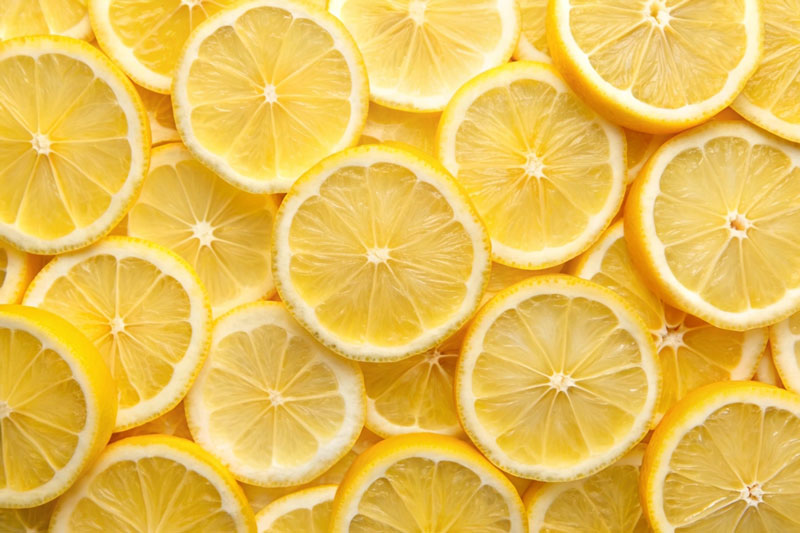
When we consider feeding our chickens lemons, it’s important to know that these fruits are safe for them in moderation. Lemons are citrus fruits that contain vitamins and minerals that can be beneficial to chickens. In fact, many chickens enjoy the tart flavor, and it can be a fun treat for them.
Citrus fruits like lemons contain high amounts of vitamin C, antioxidants, and other nutrients that can support a chicken’s immune system. Chickens, unlike humans, may not require vitamin C in their diets as their bodies can produce it on their own, but adding it in the form of lemons can give them an extra boost, especially during times of stress or illness.
It’s worth noting that citrus fruits have a high acidity level, which means that while lemons can be a delightful addition to our chickens’ diets, they should be fed in moderation. Too much acidity can upset their digestive systems. Keeping this concern in mind allows us to introduce lemons safely to our chickens without overwhelming their systems.
In addition to being a healthy option, lemons can also encourage pecking and foraging behavior in our chickens. Chickens are naturally curious and enjoy exploring new foods. So when we offer them lemons, they might get excited about the new taste, helping to keep them entertained and stimulated.
You might also be intrested in: Can Chickens Eat Watermelon?
How Much Lemons Can Chickens Eat?
When it comes to feeding lemons to our beloved chickens, moderation is key. A little lemon can go a long way, and we want to make sure we’re mindful of how much we are giving them. It’s generally safe to give chickens a small slice or two of lemon as a treat a few times a week. However, we should not make lemons a regular part of their daily diet.
A good rule of thumb is to limit any citrus fruit to no more than 10% of their total diet. Chickens have a balanced diet that should primarily consist of chicken feed, grains, seeds, and a variety of fresh fruits and vegetables. Lemons can be a refreshing treat among those options, but they should not replace the critical nutrients our chickens get from their main food sources.
We can serve lemons in different ways and always want to observe our chickens’ reactions. Some chickens might love pecking at the slices, while others might be more hesitant. Ensuring they have access to fresh, clean water is also vital, especially when introducing acidic foods like lemons.
Also, if we notice any signs of digestive discomfort, it’s best to reduce the amount of lemon or any citrus we’re offering. Every chicken is unique, and it’s our job to pay attention to their specific needs and preferences. With the right amount, lemons can be a fun addition to their diet.
Best Way to Feed Lemons to Chickens
Feeding lemons to our chickens can be a delightful experience for both the birds and us. The best way to introduce lemons is to slice them into smaller pieces, making it easier for our chickens to peck at and enjoy. We can place whole lemons in their enclosure for them to peck at, but slicing them allows for better access and helps reduce the chances of waste.
If our chickens are new to lemons, we might want to start by offering just a small slice, watching how they respond. Some chickens may approach it curiously, while others may take longer to warm up to it. We can try leaving a lemon slice on a flat surface, such as a feeder or even hanging it from the enclosure with string—this not only gives the birds a chance to peck at it but also adds a bit of fun to their day.
Another idea we might consider is mixing lemon juice with other treats, like vegetables or their favorite grains. A sprinkle of lemon juice on fresh greens like spinach or kale can be an exciting flavor boost! However, as we introduce new flavors, we want to ensure that our chickens are already accustomed to the other treat items we offer.
Remember, we should always monitor their eating habits and overall well-being after introducing any new food. If they enjoy lemons in small amounts and without any adverse effects, then we can continue serving them as an occasional treat.
Benefits of Feeding Lemons to Chickens
Hydration
One of the prime benefits of giving chickens lemons is the added hydration they can receive from this juicy fruit. Lemons contain substantial amounts of water, which can be particularly refreshing, especially during hot summer months. Hydration is essential for chickens as it aids in digestion and overall health. Ensuring they have fresh water always available is crucial, but offering lemon slices can supplement their hydration and provide an extra treat.
In times of heat stress, we might notice our chickens panting and seeking shade, so adding lemon slices can help encourage them to drink more. The bright flavor of lemons can be enticing, making our chickens more likely to consume extra fluid, which is crucial for maintaining their health and laying performance.
Being mindful of offering them lemon slices can be especially important during hot weather. Keeping them well-hydrated not only helps in keeping their body temperature down but also enables them to feel content and active, ultimately leading to healthier chickens.
Fiber
Lemons are a source of dietary fiber, which is an essential component in the diets of chickens. Fiber plays a significant role in maintaining a healthy digestive system for our feathered friends. Just as fiber is crucial for humans, it aids in digestion, helps prevent constipation, and keeps their gut flora balanced.
When we feed lemons to our chickens, the fibrous content can help promote healthy gut health, ensuring they can process their food effectively. Healthy digestion leads to nutrient absorption, which results in happier, healthier chickens.
Additionally, fiber can also keep our chickens feeling full, reducing the likelihood that they will overeat less nutritious foods. A balanced diet rich in fiber helps create optimal conditions for the gut microbiome by encouraging good bacteria, which play a part in chicken health.
Vitamins and Minerals
Lemons are packed with vitamins, including vitamin C, vitamin A, and several B-vitamins, as well as important minerals such as potassium and calcium. These nutrients provide substantial benefits for our chickens.
Vitamin C, specifically, is known to strengthen the immune system, helping our chickens ward off illness. The additional vitamins and minerals can support not only their overall health but can also lead to better egg production, with healthier shells and yolks.
As chicken owners, we strive to provide optimal nutrition for our birds, and including foods rich in vitamins, like lemons, can be a great way to ensure they receive extra nutrients, especially when they might not be getting everything they need from their standard feed.
Adding lemon to our chickens’ diets can be a healthy way to introduce a wider variety of nutrients without significant effort or cost.
Mental Stimulation
Offering new foods like lemons presents an opportunity for mental stimulation for our chickens. Chickens are intelligent creatures that thrive on variety and exploration. Introducing them to lemons can encourage them to engage in natural foraging behaviors that are important for their mental and emotional well-being.
The scent, sight, and texture of lemons provide an engaging experience. When we provide interesting foods, it can pique our chickens’ curiosity and encourage them to explore their surroundings. This mental engagement is beneficial in reducing boredom, which can lead to negative behavioral issues, such as pecking or feather-picking.
Keeping our chickens mentally stimulated ensures they remain happy, healthy, and active, supporting their overall quality of life while helping us bond with them as we share these fun experiences together.
Nutritional breakdown of grapes
Chickens benefit from a variety of fruits and vegetables, including grapes, and while we focus on lemons, it’s interesting to compare their nutritional value. Lemons are typically lower in calories and sugar while high in vitamin C and fiber. Grapes, on the other hand, provide sweetness and hydration, making them another excellent option for chickens, but they should be offered with caution due to their sugar content.
Choosing fruits like lemons and grapes as occasional treats allows us to diversify our chickens’ diets, helping ensure they receive essential nutrients while keeping mealtime exciting. With many options available, we can learn to balance and rotate these fruits, providing ample variety for our chickens.
Dangers of Feeding Lemons to Chickens
While lemons have many benefits for our chickens, it’s crucial to be aware of some potential risks. The high acidity of lemons can be harsh on their digestive systems if consumed in large amounts. Feeding too much lemon can lead to digestive upset, including diarrhea or discomfort.
Additionally, we must keep in mind that some chickens may be more sensitive to acidic foods than others. Just like us, every chicken has its preferences and tolerances. If we notice any signs of distress such as changes in their droppings or behavior, we should promptly stop offering lemons and seek alternative treats.
Another risk to consider is the importance of maintaining balance in our chickens’ diets. While lemons can provide a fun treat and health benefits, they should never replace the essential nutrients found in their daily feed. We are responsible for ensuring that our chickens receive a diet that primarily consists of a high-quality formulated chicken feed balanced with other healthy supplements. This means using lemons strictly as a treat rather than as a core part of their diets.
Lastly, if you are planning on providing lemon peels, we should wash the fruit thoroughly to remove any pesticides or chemicals. Pesticide residues can be harmful to chickens, just as they are to us. When in doubt, it’s best to consult our vet or a poultry nutrition expert to ensure we’re making the best choices for our flock.
Substitutes for Lemons for Chickens
If we’re looking for other fruits to introduce to our chickens, there are plenty of excellent options similar to lemons that can provide nutritional benefits. For instance, oranges have similar properties and are also rich in vitamin C. Mandarins and tangerines are other citrus fruits that chickens can enjoy, and they often find them just as appealing as lemons.
If we’re curious about exploring alternatives, we can also introduce fruits that have a mild sweetness, such as apples or pears. These options provide hydration and essential vitamins without a high acidity level. Always ensure we cut them into manageable pieces and remove any seeds, as some seeds may be harmful to chickens.
Vegetables are another exciting avenue for variety. Dark leafy greens like kale and spinach can provide essential vitamins and hydration similar to what lemons offer.
Encouraging a mixed and varied diet allows our chickens to explore new flavors while also getting the necessary nutrients to thrive. It’s always fun to experiment and discover what our chickens enjoy while prioritizing their health.
Can Chickens Eat Lemons? Frequently Asked Questions
Can all chickens eat lemons?
Most chickens can eat lemons, but it’s essential to monitor individual reactions. Different chickens may have different dietary tolerances.
Can I feed lemons to baby chicks?
It is not advisable to feed lemons to baby chicks, as their digestive systems require more tender care. They should stick to chick feed until they are older.
What if my chickens do not like lemons?
Not all chickens will enjoy lemons, which is perfectly fine! Every chicken has unique preferences, and we should offer other fruits or vegetables.
Can chickens eat lemon juice?
Chickens can safely consume lemon juice in moderation, just as they do with the whole fruit. However, too much acidity may upset their stomachs.
Should I peel the lemon before giving it to my chickens?
Peeling the lemon is not necessary, as long as it’s washed properly. The rind can provide additional fiber, but we should always watch for individual chicken preferences.
Final Thoughts
In conclusion, lemons can be a delightful and nutritious treat for our chickens when offered in moderation. These fruits provide vitamins, hydration, and a chance for mental stimulation while keeping mealtime varied and exciting. As long as we observe our chickens’ reactions and ensure they’re part of a balanced diet, we can safely include lemons as part of their treats.
Let’s not forget the other great options out there. We can explore fruits such as grapes, or even vegetables like kale and spinach, to keep introducing new flavors and nutrients. Whether we choose lemons or other exciting fruits, our goal is to give our chickens a happy, healthy, and vibrant life.
For more information on other fruits and vegetables suitable for our chickens, check out [can chickens eat grapes](https://theorganicwayfarm.com/can-chickens-eat-grapes/) and [can chickens eat tomatoes](https://theorganicwayfarm.com/can-chickens-eat-tomatoes/). Every new food adventure we share with our chickens can contribute to their joy and well-being!