
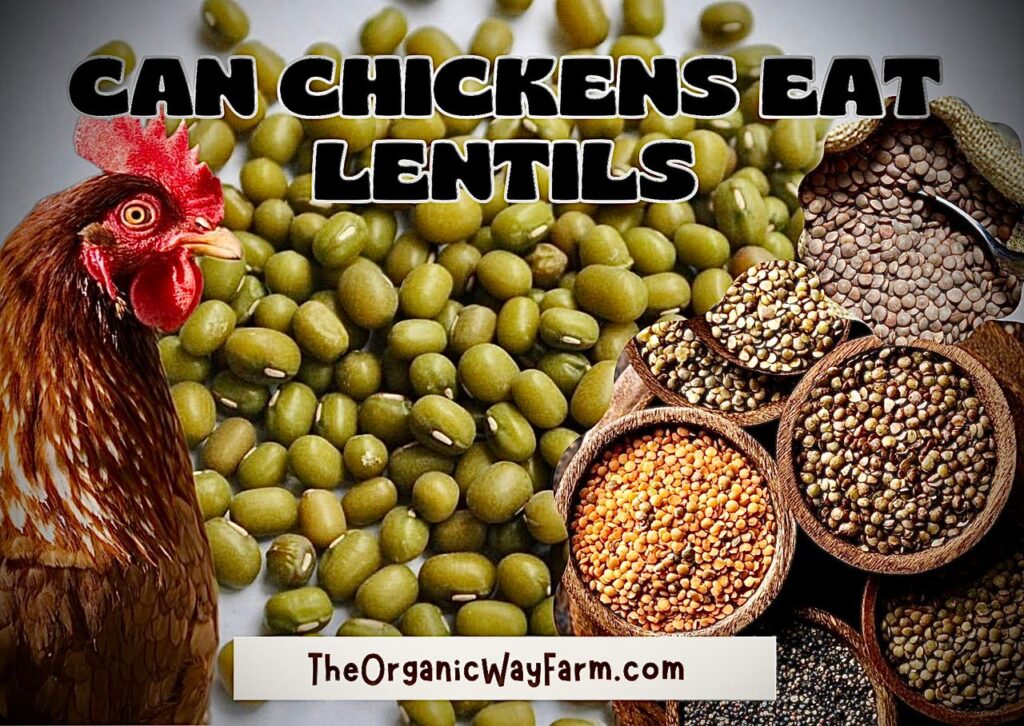
Are you a chicken owner wondering about nutrition options for your flock? You might be curious about feeding your chickens lentils. This nutritious legume is a staple in many diets around the world, and now you’re asking yourself, “Can chickens eat lentils?” Well, let’s find out how they can benefit from this food.
The simple answer is yes, chickens can eat lentils. Lentils are a great source of protein, fiber, vitamins, and minerals, making them a healthy addition to your chickens’ diet. They’re not only packed with nutrients but can also be a fun treat for your hens. However, as with anything, balance is key when introducing new foods to your chickens.
So, if you’re interested in how to properly integrate lentils into your chickens’ meals and want to know about the benefits and risks, keep on reading. We will explore various aspects of feeding lentils to chickens, including how much to give, the best ways to prepare them, their benefits and risks, and possible substitutes. Let’s dig in!
Can Chickens Eat Lentils?
Chickens are known for pecking at a wide variety of foods, and lentils are no exception. These small legumes can be beneficial for your feathered friends when given in moderation. They contain high levels of protein, which is essential for chickens to grow strong and produce eggs. Lentils also provide fiber, which helps keep their digestive systems running smoothly.
When feeding lentils to chickens, it’s crucial to remember that lentils should not be the main part of their diet. Instead, they should complement their primary food, which usually consists of chicken feed and foraging. Lentils can serve as a nutritious treat that gives your chickens a tasty variety in their diet.
You might also be intrested in: Can Chickens Eat Cooked Beans?
How Much Lentils Can Chickens Eat?
Knowing how much to feed your chickens is always important. While lentils are nutritious, they can also lead to digestive issues if overfed. It is generally recommended to feed chickens lentils in small amounts. A quarter to half a cup of lentils per flock of six chickens can be a good starting point. Always keep an eye on your chickens after introducing any new food, including lentils, to see how they respond.
Chickens can process cooked lentils more easily than raw ones. You might opt to cook the lentils before offering them to your chickens. This helps break down some of the antinutrients that raw lentils contain, which can interfere with the absorption of nutrients. Cooking makes lentils easier for chickens to digest and increases their nutritional value. In cooking them, you can also mix in some grains or chopped vegetables for extra flavor and nutrients.
Always introduce new foods gradually. Start with a small handful of lentils mixed with their usual feed and observe how they react. If they enjoy it and show no adverse reactions, you can slowly increase the amount. Pay attention to their droppings as this can offer clues about how well they are handling the new food.
Best Ways to Feed Lentils to Chickens
The way you feed lentils can significantly impact how well your chickens enjoy them. The best method is cooking them into a soft mixture or mash. Start by rinsing the lentils thoroughly, ensuring you remove any dirt or debris. Then, cook them until they are tender. Avoid adding any salt or seasoning, as these can be harmful to chickens.
Once the lentils are cooked, let them cool down before serving. You can mix the lentils with other food you usually give your chickens. For example, consider combining lentils with grains like corn, oats, or barley. This mix will not only provide a balanced diet but also keep your chickens excited about mealtime.
Another fun idea is to create a foraging box with cooked lentils. Fill a shallow container with soil or straw and sprinkle the lentils on top. This helps to encourage natural foraging behavior, which chickens love. They’ll scratch and peck around, looking for the tasty lentils, and this can also provide them with mental stimulation.
Benefits of Feeding Lentils to Chickens
Hydration
One notable benefit of lentils is their high moisture content. Chickens need plenty of hydration, especially in warmer months. By incorporating water-rich lentils into their diet, you help keep your chickens hydrated and healthy.
Fiber
Lentils are also rich in fiber. Chickens require sufficient fiber in their diet to maintain a healthy digestive system. Consuming fiber helps prevent conditions like crop impaction, ensuring their digestive tracts function smoothly. Lentils can be a helpful source when it comes to promoting good gut health in your flock.
Vitamins and Minerals
These small legumes pack a punch when it comes to vitamins and minerals. Lentils contain B vitamins like folate and B6, as well as iron, potassium, and magnesium. These nutrients are essential for your chickens’ overall health, contributing to egg production, energy levels, and bone strength.
Mental Stimulation
Chickens are curious creatures, and they love to forage for food. By introducing lentils and creatively presenting them, we can keep our chickens engaged and entertained. Mental stimulation is important for preventing boredom, which can lead to pecking or other negative behaviors.
Nutritional Breakdown of Lentils
When considering lentils as part of our chickens’ diet, it’s good to look at their nutritional breakdown. A one-cup serving of cooked lentils generally contains a significant amount of protein, approximately 18 grams. This makes lentils an excellent choice for protein supplementation.
In addition to protein, lentils are also low in fat. When looking after our chickens, we want to ensure they receive a diet that supports health and vitality.
Risks and Dangers of Feeding Lentils to Chickens
Despite the numerous benefits, there are also some risks when feeding lentils to chickens. As mentioned, raw lentils contain antinutrients that can hinder nutrient absorption. Always ensure lentils are cooked to mitigate this risk. Cooking helps break down these compounds and maximizes the nutritional value.
Overfeeding lentils can also lead to digestive distress. A sudden introduction of high-protein foods may result in issues such as bloating or diarrhea in chickens. Moderation is key! Making sure that lentils make up only a small percentage of your chickens’ overall diet will prevent them from consuming too much too quickly.
Another consideration is that, if you are feeding your chickens lentils while they are also consuming a commercial pellet diet, it’s important to adjust the amount of pellets accordingly. You wouldn’t want them to overconsume protein in total. It can be beneficial to consult with a veterinarian or poultry nutritionist for personalized advice on your chickens’ dietary needs.
Substitute Options for Lentils
If you ever feel like lentils are not the best choice for your flock, there are plenty of tasty alternatives that can provide similar nutritional benefits. Consider beans as an option; they too are high in protein and offer a variety of vitamins. Just like with lentils, it’s best to cook them thoroughly before feeding.
Another alternative is peas, which are not only nutritious but also naturally sweet and appealing to chickens. Oats and barley can also serve as excellent grains that offer a good source of energy while keeping your flock happy during mealtime.
Rotating these options can keep meals exciting for our hens and provide them with the nutrients they need without the risk of overdoing any one kind of food.
Frequently Asked Questions
Can chickens eat raw lentils?
No, raw lentils contain antinutrients that can interfere with digestion. Always cook lentils before feeding them to your chickens.
How often should I feed lentils to my chickens?
Lentils can be a treat and should only be given occasionally, perhaps a few times a week, depending on the rest of their diet.
Is it safe to feed lentils with other grains?
Yes, mixing lentils with other grains can provide a balanced meal and make for a tasty treat for your chickens.
Will lentils help my chickens lay more eggs?
While lentils are nutritious, they should complement their primary diet. A well-balanced diet contributes to egg production rather than one food item alone.
Can baby chicks eat lentils?
It is best to wait until they are older and can handle more diverse foods. Focus on chick starter feed until they are ready.
Final Thoughts
Feeding lentils to our chickens can indeed be a delicious and nutritious option. When we take the time to prepare lentils properly and monitor how they affect our flocks, we can offer our chickens varied nutrients that support their health. Whether you’re opting for lentils, beans, or peas, being mindful of their diet leads to stronger, happier chickens.
As we continue exploring the many different foods to enhance our chickens’ diets, we can also learn about other healthy options. For instance, have a look at grapes, which can be a wonderful treat, or consider carrots as another healthy alternative. Together, let’s create a well-rounded diet for our delightful hens!