
If you have a flock of chickens, you might be curious about what types of food you can share with them. One question that comes up a lot is, “Can chickens eat lettuce?” The truth is, chickens can definitely munch on lettuce. It’s a leafy green that many bird owners enjoy giving to their feathered friends.
But, even though lettuce is safe for chickens to eat, there are some things we should know. Not every type of lettuce is equally good for them, and moderation is key. We will explore all the important details about feeding lettuce to chickens, including how much is ideal, the best way to serve it, and any risks we should be aware of.
Stay with us as we uncover all the knowledge we need about lettuce and our chickens. Let’s make sure that we’re giving them not just tasty snacks but also nutritional and safe options.
- Can Chickens Eat Lettuce?
- How Much Lettuce Can Chickens Eat?
- Best Way to Feed Lettuce to Chickens
- Benefits of Feeding Lettuce to Chickens
- Risks of Feeding Too Many Lettuce to Chickens
- Substitutes for Lettuce for Chickens
- Frequently Asked Questions
Can Chickens Eat Lettuce?
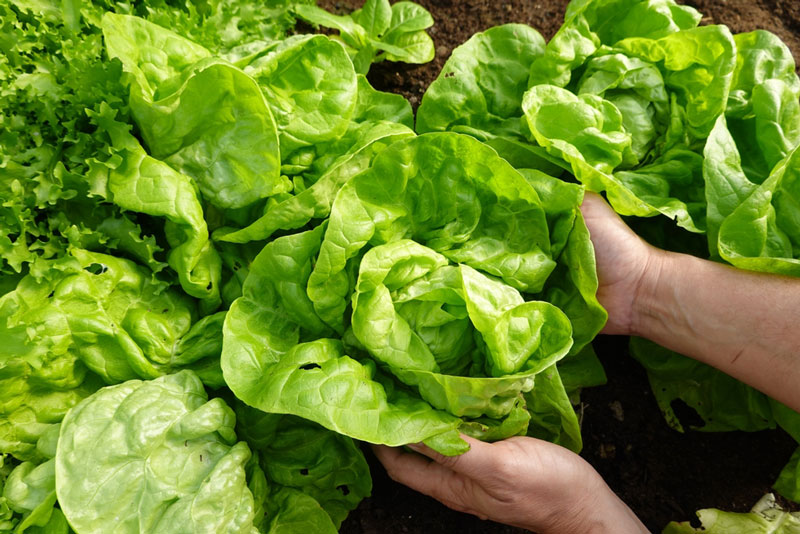
Chickens can eat lettuce without any problems. It is considered safe and can even add some variety to their diet. Lettuce is low in calories, which makes it a great treat for chickens that may be overweight. However, there are a few types of lettuce that are better than others. For example, romaine or leaf lettuce is a favorite among chickens, while iceberg lettuce offers fewer nutrients. This better type not only gives them a nice crunch but also keeps them happy and satisfied.
When we introduce lettuce into their diet, it’s a good idea to remember not to overdo it. Chickens love the taste, and if we give them too much, they might fill up on it instead of consuming their main chicken feed, which has the balanced nutrition they need. So having lettuce once in a while as a treat is a fantastic idea, but it should never replace the nutritional chicken feed.
How Much Lettuce Can Chickens Eat?
The amount of lettuce we can safely feed our chickens largely depends on their overall diet and size. Generally, giving each chicken a handful of lettuce two to three times a week is reasonable. This portion size helps satisfy their curiosity and taste for greens without impacting their nutrition from their regular feed. In fact, it’s a wonderful way to keep them occupied and engaged.
Do keep in mind that different types of lettuce may also have varying amounts of water content and nutrients. For example, iceberg lettuce has a high water content but lacks nutritional value. Since it fills them up, we should limit it in favor of more nutritious leafy greens like romaine. We can mix different types of lettuce to create a delightful salad just for them. But above all, balance is vital.
Pay attention to how they react to the new food. If you notice any signs of digestive discomfort or change in their behavior, it might be best to cut back on the amount we give. Being vigilant about their health is a key part of being a responsible chicken owner.
Ultimately, every chicken is unique, and their preferences may vary. Observing their eating habits can help us decide how much lettuce is just right for them.
Best Way to Feed Lettuce to Chickens
Another great method is to hang a leafy head of lettuce in their coop or run. Chickens enjoy pecking at things, and hanging lettuce gives them a fun challenge. It encourages them to jump and stretch their necks while they enjoy their tasty treat.
We also want to make sure that the lettuce we present is clean and free from any chemicals or pesticides. If we grow our own lettuce, that’s ideal. If we’re buying it from the store, rinsing it thoroughly will help keep our chickens safe from any harmful residues. Keeping their dining area clean is equally important to maintain their health.
Serving them lettuce alongside other veggies or fruits can also be an exciting way to mix things up. For instance, pairing lettuce with carrots, cucumbers or even some grains can provide diversity in their diet. When chickens enjoy a variety of textures and flavors, it keeps them curious about their food and engaged in foraging.
Benefits of Feeding Lettuce to Chickens
Hydration
Lettuce has a high water content, which is an excellent benefit for our chickens, especially during hot summer days. Staying hydrated is crucial for keeping their energy levels up and their bodies functioning correctly. We want our chickens to feel fresh and lively, and lettuce can be a delicious way to assist in that.
Fiber
Another advantage of feeding lettuce is the fiber it provides. Just like in our own diets, fiber is essential for proper digestion. It helps our chickens maintain a healthy digestive system and can reduce the likelihood of issues like constipation. Providing fiber-rich foods alongside their main feed creates a balanced diet that supports their overall well-being.
Vitamins and minerals
Lettuce is also packed with vitamins and minerals. It contains vitamin A, which is important for eye health and can help our chickens have vibrant, healthy feathers. Additionally, it provides some vitamin K, which plays a role in blood clotting and bone health. Mixing lettuces with other vegetables helps ensure they get a wide range of nutrients needed for maintaining health.
Mental stimulation
Chickens are intelligent creatures. Providing them with different foods like lettuce gives them mental stimulation. They can peck, scratch, and search for treats, further enriching their lives in the coop. When we provide an engaging environment, we can promote positive well-being and prevent boredom.
Nutritional breakdown of grapes
As we explore the nutritional side of lettuce, it’s worth noting that other greens and fruits can complement their diet as well. For instance, some might wonder, “What about grapes?” Grapes can also be given to chickens in moderation. Just like lettuce, they come with their own benefits, such as sweetness and hydration. An excellent balance between different greens, fruits, and their complete feed will fulfill their nutritional needs, making both us and our chickens happy.
Risks of Feeding Too Many Lettuce to Chickens
While giving chickens lettuce is mostly safe, there are some cautions we should take into consideration. Overfeeding lettuce can lead to nutritional imbalances. Because lettuce is mostly water, if we give our chickens too much, they might not consume enough of their primary feed, which is crucial for their overall health.
Additionally, certain types of lettuce, especially iceberg, have minimal nutritional value compared to other leafy greens. We should also be careful with any leftover or wilting lettuce, as it may harbor mold or bacteria, leading to potential illness. Ensuring that the lettuce is fresh and clean goes a long way in preventing health issues.
Another thing to watch is whether our chickens have any reactions to the new food. Though chickens rarely have food allergies, if we notice anything unusual after introducing lettuce, it may be best to remove it from their diet temporarily.
A common confusion we might encounter is that lettuce can potentially cause diarrhea if fed in excess. This is due to its high water content, which, while hydrating, can lead to loose stools if consumed in large quantities. This is why moderation is essential.
Substitutes for Lettuce for Chickens
If we find ourselves without lettuce or wish to switch things up, there are plenty of alternatives that can safely substitute for lettuce. Spinach, for example, is another leafy green that is loaded with nutrients and is loved by chickens. Kale is another excellent option as it is full of vitamins and minerals.
We can also try feeding our chickens other vegetables such as cabbage or broccoli. Not only do these veggies offer nutritional benefits, but they are also great for foraging and keeping our chickens busy.
Fruits can be delightful treats as well. Chickens can enjoy apples, berries, and even watermelon in moderation. These fruits provide vitamins and can be thrilling for them to search for in their coop.
The key to our chickens’ happiness is to offer a variety of foods to ensure they enjoy their meals and stay healthy. Each new food we introduce brings joy and excitement to their mealtime, and that is worth every effort we put into their diets.
Can Chickens Eat Lettuce? Frequently Asked Questions
Can baby chickens eat lettuce?
Baby chickens, also known as chicks, should primarily eat chick starter feed designed for their growing needs. However, we can introduce small pieces of lettuce as a treat after they are a few weeks old. It’s essential to make sure they can chew and digest it properly.
Will lettuce make my chickens sick?
If we feed lettuce in moderation and avoid wilted or moldy pieces, it should not make our chickens sick. Always monitoring their health and reactions is a good practice when introducing new foods.
Can chickens eat cooked lettuce?
Chickens can eat cooked lettuce, but it’s usually provided in its raw form. When feeding heated lettuce, keep it simple and avoid using oils, spices or additives that could harm them.
How can I tell if my chicken likes lettuce?
We’ll know our chickens enjoy lettuce when they happily peck at it and fight over pieces with their flock mates. Watching their enthusiasm and engagement is a great indication that they love the treat!
Can lettuce be a staple in my chicken’s diet?
Lettuce can never be a staple food because it lacks essential nutrients. We should treat it as a supplementary food, offering it occasionally to provide variety and excitement in their diet.
Final Thoughts
Feeding our chickens lettuce can be a delightful experience for them and for us! It provides hydration, fiber, essential nutrients, and mental stimulation, all while keeping their meals interesting. As long as we offer it in moderation and choose the right types of lettuce, we can ensure our chickens are treated to a special snack that is both enjoyable and healthy.
Each chicken is unique, so let’s pay attention to their preferences and reactions. By expanding their diets and including treats like lettuce, we can contribute to their happiness and well-being. Always remember that balance is key, and it is important to provide a wide variety of foods. If we’re looking for more fun treats, remember to check out this guide on can chickens eat grapes Cucumbers?. Let’s continue to explore what makes our feathered friends thrive!