
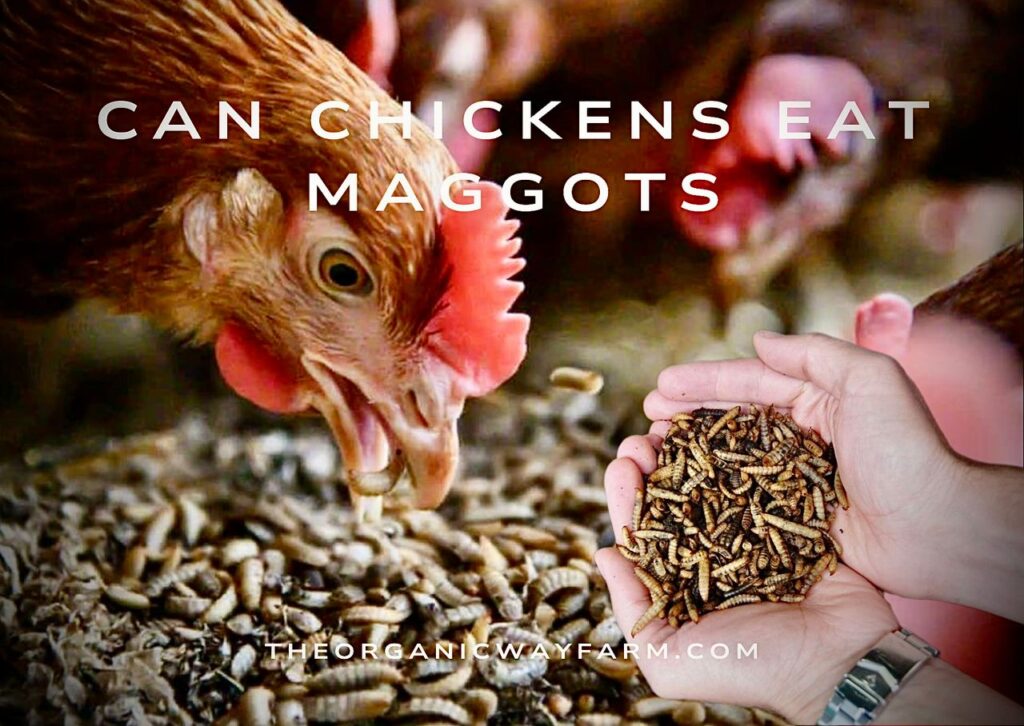
If you have chickens, you may wonder what kind of treats they can eat. A common question many ask is, “Can chickens eat maggots?” Chickens are known for their curiosity and love for scratching around, so they will want to try different foods. Knowing what is safe and beneficial for them is essential for their health and happiness.
The quick answer is YES! Chickens can eat maggots, and they often find them in nature. These little creatures can be a tasty and nutritious snack for our feathery friends. However, it’s vital to ensure that the maggots they consume are safe and come from a clean source. We wouldn’t want to feed our chickens something that could harm them.
So, stay with us through this article, as we’ll explore everything there is to know about feeding maggots to chickens. From the benefits to the risks, we will answer your questions and help you make informed decisions. Here’s what we are going to tackle together:
- Can Chickens Eat Maggots?
- How Much Maggots Can Chickens Eat?
- Best Way to Feed Maggots to Chickens
- Benefits of Feeding Maggots to Chickens
- Dangers of Feeding Maggots to Chickens
- Substitutes for Maggots in Chicken Diet
Let’s get started!
Can Chickens Eat Maggots?
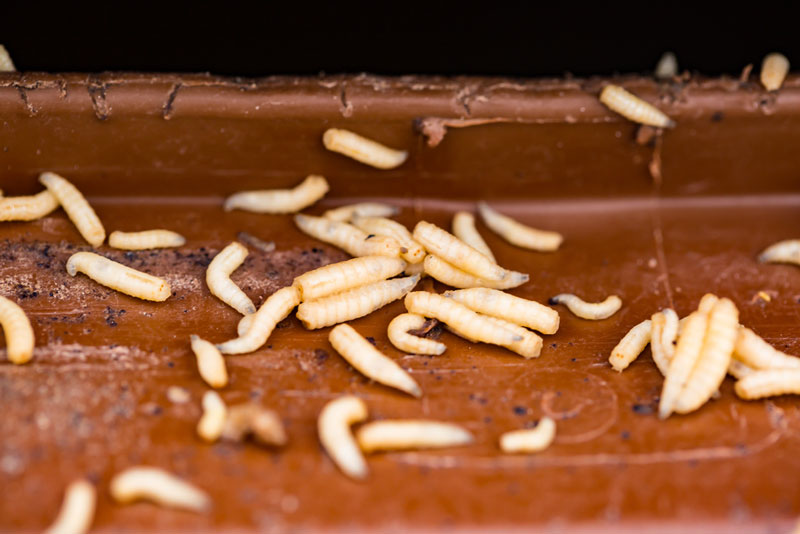
Chickens are omnivores, which means their diet can include both plants and animals. When we think about what chickens eat, it’s easy to picture grains, vegetables, and fruits. However, insects and other small animals also play a part in their diet. Maggots, which are the larvae of flies, can be a natural and delightful snack for chickens. In fact, in the wild, chickens actively forage for insects, worms, and other protein sources. The question isn’t so much about whether chickens can eat maggots but rather if they should.
Maggots are rich in protein and essential nutrients, making them a good addition to a chicken’s diet when given in moderation. Protein is crucial for growth, feather development, and egg production. So, providing some maggots as an occasional treat can help our chickens stay healthy and vigorous.
However, we must consider how we source these maggots. It’s best to avoid maggots that come from decaying matter or waste, as they may carry bacteria or infections that could harm our chickens. Instead, if we choose to feed our chickens maggots, we should ensure they originate from a clean and healthy environment.
Though they can eat maggots, it’s essential to vary their diet. Chickens thrive when given a combination of different foods, including grains, vegetables, and fruits, along with their occasional protein treats. This variety helps keep our chickens happy and healthy, ensuring they receive the balanced diet they require.
How Much Maggots Can Chickens Eat?
Feeding maggots to chickens can be an excellent way to provide extra protein in their diet, but moderation is key. It might be tempting to offer a large quantity, especially if we notice our chickens eagerly pecking at them. However, we should always keep in mind that a balanced diet is essential for our chickens’ overall health.
A good rule of thumb is to limit maggots to around 10% of their total diet. This proportion helps maintain a well-rounded diet while ensuring that our chickens receive the nutrients they need from other sources. So, if we provide a whole grain feed as their primary diet, we can sprinkle in some maggots as a treat from time to time.
Additionally, we need to consider the size of our flock. If we have many chickens, a few maggots here and there may not be enough to fulfill their protein needs. On the other hand, if we only have a couple of chickens, even a small serving of maggots can be quite filling. Knowing our chickens and observing how they respond to the treats we give is essential to ensure we don’t overfeed.
When introducing maggots into their diet, we can start with small amounts to see how our chickens react. If they seem to enjoy the treat and have no adverse reactions, we can gradually increase the amount but still maintain that 10% limit. Watching for signs of distress or digestive issues will help us create the best feeding routine for our feathered friends.
In summary, while maggots can be a delightful and nutritious treat for our chickens, we should remember to be cautious about how much we feed them. Keeping things moderate will help our chickens thrive and stay healthy.
Best Way to Feed Maggots to Chickens
Ensuring our chickens enjoy their maggot treats involves considering how we introduce them into their diet. There are several ways we can feed maggots to our chickens, enabling us to make it a fun and engaging experience for them.
One effective approach is to scatter the maggots around the chicken run or coop. Chickens love to scratch and forage, so they will enthusiastically search for the maggots hidden among the bedding or dirt. This method not only provides a delightful treat but also encourages natural behaviors that benefit their mental health.
We might also consider adding maggots to their regular feed. By mixing a small amount into their grains or pellets, we can ensure that our chickens receive the benefits of extra protein. However, we should keep an eye on their consumption to avoid overdoing it and ensure they still eat their regular food.
To help our chickens be excited about feeding time, we can create a puzzle feeder or foraging toy. These items often allow us to hide food inside, promoting mental stimulation as our chickens work to get to the treat. Using maggots in this way can turn a simple snack into an engaging activity.
Another option is to provide maggots as a reward for good behavior. If we have trained our chickens for specific actions, offering maggots as a treat can reinforce positive behaviors. This positive reinforcement encourages our chickens to bond with us and enjoy their food even more.
Whatever methods we choose, it’s essential to ensure that the maggots are fresh and sourced from a clean environment. We wouldn’t want our chickens to consume anything that could harm them. By keeping things clean, we can offer these minor creatures safely and healthily.
Feeding maggots can be an excellent way to keep our chickens happy, healthy, and engaged, provided we do so with care and moderation.
Benefits of Feeding Maggots to Chickens
Hydration
Maggots can play a unique role in our chickens’ diet by aiding in hydration. While they may not contain a vast amount of water, their soft body provides moisture that our chickens can benefit from, especially during the warmer months. Hydration is crucial for overall health, as it aids in digestion, nutrient absorption, and egg production.
Chickens, like all animals, need to maintain their hydration levels. Having access to a mix of foods that contributes to hydration is essential. By introducing maggots into their diet, we can help ensure our chickens are getting enough moisture, particularly when water sources are scarce or during hot weather.
Maggots could be especially useful if we previously had limited access to fresh greens. The moisture in maggots can complement their diet and balance the overall water content. Keeping our chickens hydrated helps promote a range of physiological functions essential to their health and well-being.
Fiber
Fiber is another benefit of incorporating maggots into our chickens’ diet. While it may not be the primary nutrient we associate with maggots, they can still provide a form of roughage that supports a balanced digestive system. Fiber is critical for ensuring our chickens have a healthy gut, as it helps maintain regular bowel movements and brings overall digestive balance.
A diet rich in fiber can reduce the risk of digestive issues, something we must be mindful of when keeping chickens. Natural foraging habits can help increase fiber intake, just as we’re ensuring our flock can access a variety of foods. Adding maggots to the mix can be a fun way to diversify their diet while positively impacting their digestive health.
Providing fiber promotes the well-being of our flock, as it supports their general metabolism and enhances nutrient absorption. When our chickens are healthy, they can produce better-quality eggs and exhibit more vibrant feathering.
Vitamins and minerals
Another advantage of feeding maggots to chickens is their rich nutrient composition, which includes essential vitamins and minerals. These nutrients can contribute to overall health, providing support for our flock in many aspects. The specific nutrients found in maggots can vary depending on what they have been eating, making it essential to source them wisely.
Some of the vitamins and minerals in maggots that can benefit our chickens include B vitamins, which support energy metabolism, and minerals such as calcium and phosphorus, essential for bone health and strong eggshell formation. When we think about raising happy chickens, ensuring they receive the right nutrients is crucial for overall well-being.
Incorporating a protein source like maggots encourages growth and vitality, helping to maintain our chickens’ robust immune systems. Providing different nutrient sources helps keep our chickens healthy, productive, and well-balanced.
Mental stimulation
Offering maggots to our chickens can provide mental stimulation and encourage natural foraging behavior. Chickens are intelligent animals that thrive on exploration and interaction with their environment. When we provide treats like maggots, we can engage their minds, promoting a robust and active lifestyle.
Scattering maggots throughout their living space can provide an interactive experience, encouraging them to scratch, peck, and explore. Such activities help foster social interactions between chickens and enable them to maintain a healthy pecking order.
Just like humans, animals benefit from mental and social engagement. Keeping our flock occupied helps prevent boredom, likely reducing the chances of feather-picking or other stress-related behaviors. Making their environment enjoyable through treats like maggots can cultivate a happy and well-adjusted group of chickens.
Nutritional breakdown of maggots
Understanding the nutritional breakdown of maggots can further illustrate their importance in a chicken’s diet. Generally, maggots are high in protein, ranging from 30% to 60%, depending on the species. This significant protein content makes them an excellent option for chickens, particularly during growth, molting, and egg-laying stages.
Some studies have also shown that maggots can contain a well-balanced ratio of amino acids, essential for chicken growth and health. They can provide valuable forms of energy for our chickens and help enhance their overall quality of life.
Given the nutritional benefits that these little creatures offer, we can confidently add a few maggots to our chickens’ diet. A mixture of different beneficial foods ensures our flock remains healthy, happy, and producing the best eggs possible.
Dangers of Feeding Maggots to Chickens
While maggots can be a suitable addition to a chicken’s diet, there are potential risks we shouldn’t overlook. It’s crucial to understand these dangers to ensure our chickens remain healthy and avoid any complications. Educating ourselves will allow us to make the best choices for our flock.
One significant risk is the source of the maggots. If maggots come from decaying or rotting organic material, they may harbor harmful bacteria, toxins, and parasites that could endanger our chickens. It is crucial to be mindful of the cleanliness of the environment where maggots come from and to avoid using any that could have been exposed to harmful substances.
Overfeeding maggots can also lead to health problems in chickens. While protein is essential, too much protein can cause kidney damage and other health issues. Like most foods, moderation is key. Balancing their diet with grains and other forms of nutrition is essential.
Another concern revolves around the feeding of maggots to chickens that are already sick or stressed. Chickens in poor health might struggle to handle new foods, potentially resulting in digestive problems or other complications. Recognizing our chickens’ health and behavior helps us decide when it is appropriate to introduce new foods.
Lastly, we need to consider potential allergies or intolerances. Just as people can have varying reactions to different foods, chickens might experience discomfort or sickness from consuming maggots. Observing our chickens for any signs of distress after feeding them maggots can help us understand how they respond to this new treat.
In conclusion, while maggots can be a healthful snack for our chickens, there are necessary precautions we need to take. Understanding the risks helps ensure we maintain a safe and healthy environment for our flock.
Substitutes for Maggots in Chicken Diet
For those wanting variety in their chickens’ diet, there are several alternatives to consider in place of maggots. Exploring various protein sources is essential to maintain a balanced and healthy diet for our chickens. Here are some potential substitutes:
1. **Mealworms**: A fantastic source of protein, mealworms are popular among chicken keepers. They are nutritious, small, and easy to digest. Chickens often seem to enjoy the taste of mealworms, making them a great alternative to maggots.
2. **Crickets**: Similar to mealworms, crickets are another excellent protein source. They can be fed whole, providing a crunchy texture that many chickens find appealing. As with maggots, ensuring they come from clean sources is essential.
3. **Insects and larvae**: Other insects and larvae are options to consider. Various insect species, like black soldier fly larvae and fruit fly larvae, can offer protein and essential nutrients. Keeping the focus on insects that are safe is crucial.
4. **Kitchen scraps**: Offering chickens kitchen scraps like leftover fruits and vegetables can introduce various nutrients into their diet. Items like lettuce, apples, or carrots can be beneficial treats, provided they are safe and free from mold or spoilage.
5. **High-quality feed**: Providing a well-formulated balanced feed ensures our chickens receive all the essential nutrients they require. Look for feeds that contain grains, soy, and vitamins to ensure optimal health.
As we explore substitute options, we remain aware of our chickens’ preferences and any dietary restrictions they may have. A healthy, varied diet keeps our flock happy and thriving while supporting their overall health.
Can Chickens Eat Maggots? Frequently Asked Questions
Are maggots safe for chickens to eat?
Yes, maggots can be safe for chickens to eat if sourced from a clean environment.
How often can I feed my chickens maggots?
Maggots should be fed in moderation, making up about 10% of your chicken’s total diet.
What nutrients do maggots provide for chickens?
Maggots are rich in protein, vitamins, and minerals, which support growth and overall health.
Can chickens get sick from eating maggots?
Chickens may get sick from eating maggots sourced from decaying organic matter or if overfed.
Are there any alternatives to feeding chickens maggots?
Yes! Mealworms, crickets, kitchen scraps, and high-quality feed are all great substitutes for providing protein.
Final Thoughts
Feeding maggots to our chickens can be a great way to introduce high protein into their diet and keep them happy. However, we must ensure we consider their nutritional needs, lifestyle, and any potential risks. By providing a balanced diet that incorporates various foods, we can help our chickens thrive and enjoy a healthy life. If you are interested in learning about other delicious treats for chickens, be sure to check out other articles on feeding chickens fruits like grapes, bananas, or other vegetables!