
If you have some extra mango lying around, you’re probably wondering, “Can chickens eat mango?” You’re not alone! This is a popular question among those who keep backyard chickens or are thinking about adding a few to their family.
The short answer is YES! Chickens can safely enjoy mango, but it’s important to know how to offer it to them and not to overdo it. Much like any treat, moderation is key to maintaining healthy chickens.
Stick with us as we uncover all the aspects of feeding mango to our feathered friends. We will explore how much they can eat, the best way to feed mango, its benefits, potential dangers, and some tasty substitutes.
- Can Chickens Eat Mango?
- How Much Mango Can Chickens Eat?
- Best Way to Feed Mango to Chickens
- Benefits of Feeding Mango to Chickens
- Risks of Feeding Too Much Mango to Chickens
- Substitutes for Mango for Chickens
- Frequently Asked Questions
Let’s get started!
Can Chickens Eat Mango?
Chickens are known to be curious creatures and enjoy a wide variety of foods. Yes, they can absolutely eat mango! Mango is a delicious tropical fruit that is not only enjoyable for us but also great for our chickens. However, just because they can eat it doesn’t mean they should eat it too frequently. Like any treat, mango should be given in moderation.
When we consider what our chickens eat, it’s important to remember that their primary diet should consist of high-quality feed that provides the necessary nutrition they require for optimum health. This includes proteins, grains, greens, and other vital nutrients. Mango can serve as an occasional treat, adding some excitement to their diet, as well as some natural sugars and vitamins. We should always wash the mango thoroughly and remove the pit before feeding it to our chickens.
How Much Mango Can Chickens Eat?
Moderation is essential when it comes to feeding mango to our chickens. Ideally, we should limit treats to about ten percent of their overall diet. This means that while it’s fine for our chickens to enjoy some mango, we need to ensure that they are not overdoing it. A small slice or a few small pieces of mango is sufficient.
As we start feeding mango to our flock, it’s best to introduce it gradually. Some chickens may take to it right away, while others may need some time to try it out. Monitor how they react; some may love it immediately while others may only nibble cautiously.
It’s worth mentioning that while mango is nutritious, it naturally contains sugars. So, it’s better to keep the portion sizes small, especially if our chickens are less active or already receiving lots of other treats. Overindulgence in sugary fruits can lead to health issues, including obesity.
Additionally, we should always keep in mind any other fruits or veggies we might be feeding our chickens. Diversity in their diet is good, but we need to space out offering the different types to avoid any digestive issues.
By being attentive to the amount of mango we offer our chickens, we can ensure they enjoy the sweetness without the risks that often come with overfeeding them sugary snacks.
Best Way to Feed Mango to Chickens
Feeding mango to our chickens can be a fun and engaging experience. However, there are ways to ensure they can access the fruit safely and enjoyably. The best way to feed mango is to prepare it properly. Start by washing the mango thoroughly to remove any pesticides or residues. It’s key to always prioritize our chickens’ health.
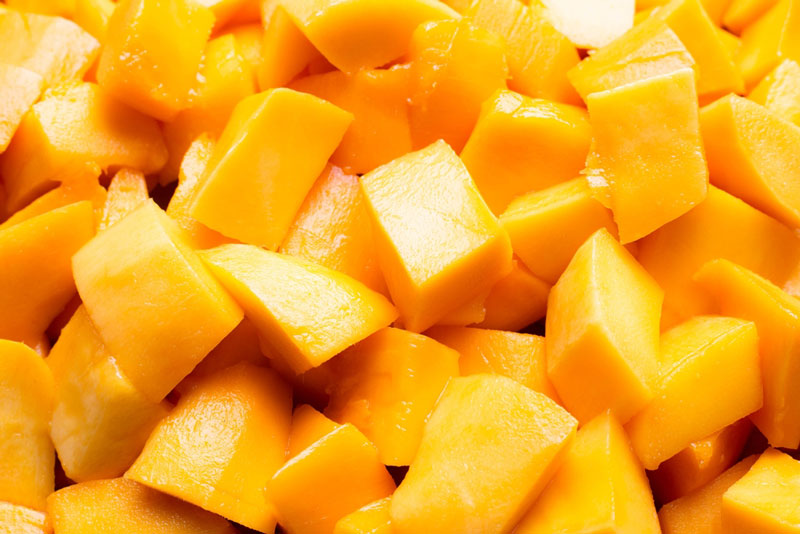
Next, we should peel the mango and cut it into small, manageable pieces. This makes it easier for our chickens to eat and prevents any choking hazards. It is also advisable to remove the pit, as it can be harmful. Chickens can easily choke on large pieces, or the pit itself could cause digestive issues.
We can place the small mango pieces in their feeding area, on the ground, or even hang it on a piece of string or in a treat holder. Hanging fruits can stimulate our chickens and encourage them to forage, offering them mental stimulation and physical activity, both of which are beneficial for their overall health and well-being.
Importantly, we should monitor our chickens while they are eating. Keep an eye on them to ensure they are enjoying the process and are not struggling with the pieces. Each chicken has its own preferences; some may eat the juicy flesh more quickly than others. By keeping watch, we can make the whole experience more enjoyable for them, and we can also ensure that there are no issues regarding how they go about eating their mango.
Lastly, we can make mango feeding a special event! By occasionally offering mango during specific times, such as on nice days or during special occasions, we can create a routine that they come to anticipate and enjoy. Just remember to keep their main diet consistently healthy, and mango will be a delightful bonus!
Benefits of Feeding Mango to Chickens
Hydration
Mango is composed of a significant amount of water, which makes it an excellent treat for keeping our chickens hydrated, especially during hotter days. Chickens can become dehydrated quickly when temperatures rise, so offering juicy fruits like mango can be a delicious way to support their hydration. Juicy snacks can be a lifesaver in ensuring they maintain a good water balance.
Fiber
Mango also contains dietary fiber, which can help support healthy digestion in our chickens. Adding fiber to their diet ensures that their digestive systems operate smoothly and efficiently. This is crucial for preventing potential gastrointestinal problems in the flock. The fiber can act as a gentle bulk that encourages peristalsis—the movement of their digestive tract—ensuring they feel good and are able to absorb the nutrients from their primary feed.
Vitamins and Minerals
One of the key benefits of mango is its rich omega content and various vitamins! Mangoes are packed with essential vitamins like Vitamin A, B6, C, and folate. Vitamin A is vital for maintaining healthy vision and strengthens the immune system in our chickens. Vitamin C can also help with various bodily functions, such as tissue repair and iron absorption.
Mental Stimulation
Giving mango treats creates an opportunity for our chickens to forage and engage with their environment when we present these types of treats strategically. Chickens are natural foragers and need mental stimulation to keep them happy and content. This feeding process allows them to practice their instincts, which is beneficial for their overall well-being.
Nutritional Breakdown of Mango
When we look at the nutritional breakdown of mango, it’s pretty impressive. A medium-sized mango has around 200 calories, 50 grams of carbohydrate, and also provides various essential nutrients like potassium and magnesium. Each of these elements contributes to maintaining a healthy body and can support bone health, fluid balance, and a strong overall system. Overall, our chickens can really benefit from the natural goodness of this tropical fruit.
Risks/Dangers of Feeding Too Much Mango to Chickens
While mango can be a delicious treat, it is crucial to remember that too much of a good thing can lead to problems. Excessive sugar intake from mango can result in unhealthy weight gain and a range of health issues. Chickens that gain too much weight may not be as active, which can lead to other complications down the line, including reproductive issues and reduced egg production.
Another concern is the potential for digestive problems. If we provide mango in large amounts, it can upset their stomachs and lead to discomfort. Chickens might experience diarrhea or other digestive issues if they consume too many sugary fruits at once. Gradually introducing mango to their diet as an occasional treat will mitigate these risks.
Additionally, as with all fruits, there’s the risk of mold or spoilage if the mango is kept out for too long. Any spoiled fruit can cause illnesses in our chickens, so it is essential to monitor how long it has been in their feeding area and promptly remove any leftovers that may not be fresh.
Keeping tabs on their reaction and behavior after consuming mango will help us ensure they’re enjoying it safely. If we notice any unusual behavior or gastrointestinal issues, it may signal that we are overdoing it. Consulting with a veterinarian when in doubt is always a wise move as well.
Overall, we want to ensure that our chickens remain happy and healthy, achieving a balance between providing them with enjoyable treats and maintaining their well-being.
Substitute for Mango for Chickens
If for any reason we find ourselves needing or wanting to substitute mango in our chickens’ diet, there are plenty of other fruits and vegetables that can be offered successfully! Chickens enjoy a range of fruits like carrots, bananas, blueberries, and apples. The key is offering variety to keep their diet interesting.
For instance, bananas are rich in potassium and are relatively easy for chickens to eat. When offering bananas, we can slice them and either toss them into their feeding area or give them as whole, allowing the chickens to pick at them. Likewise, blueberries are delightful as they can be offered whole and are packed with vitamins. Chickens often love the taste of berries, so they can be a fantastic alternative to mango.
Another option is diced vegetables like squash or cucumbers. They have high water content and provide essential nutrients without being overly sugary. Chickens can also partake in leafy greens, like lettuce or kale, which are great to incorporate into their diet and known to provide essential vitamins. These not only provide variety but also add important nutrients without the risks that come with high-sugar fruits.
By mixing things up with these alternatives and continually offering a wide array of fruits and veggies, we can ensure that our chickens stay healthy, happy, and entertained, all while enjoying the process of foraging for treats!
Frequently Asked Questions
Is it safe to feed mango seeds to chickens?
No, it’s not safe. The seed (or pit) of the mango can be harmful to chickens, and it’s best to remove it completely before offering the flesh to them.
Can chickens eat dried mango?
Dried mango might be too high in sugars for chickens. Fresh mango is the best choice.
Should I peel mango before feeding it to chickens?
Yes, peeling the mango is a good practice. The skin might be tough for them to eat, so it’s better to remove it.
How often can I offer mango to my chickens?
It’s recommended to treat them occasionally, limiting their mango intake to small pieces and keeping it to around ten percent of their total diet.
What other fruits can chickens safely eat?
Many fruits are safe for chickens, including blueberries, strawberries, apples (without seeds), and bananas. It’s always a good idea to research before introducing a new food into their diet.
Final Thoughts
Feeding mango to our chickens can be a delightful way to add variety and enjoyment to their routine. As we keep in mind the portion sizes and maintain a balance with their primary diet, we can ensure they have a great experience that adds fun and nutrition. Let us love and care for our feathered friends by providing them with wholesome treats like mango. Remember that treating them with love and fun snacks helps strengthen the bond and brings joy to both us and our chickens!
If you are curious about other fruits your chickens might enjoy, check out this helpful article on chickens eating grapes. There are so many ways to explore fun and healthy options for our backyard buddies!