
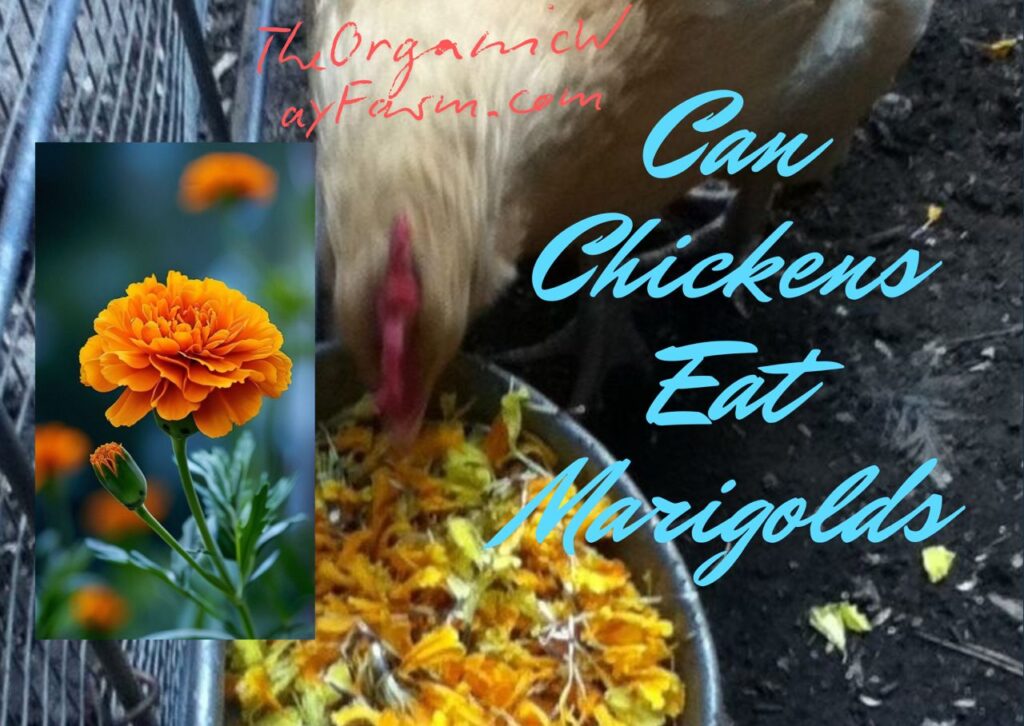
If you’re raising chickens or just curious about backyard poultry, you might be wondering if chickens can eat marigolds. It’s a great question! Many of us want to make sure that our feathered friends are getting the best possible diet. The good news is that chickens can eat marigolds. In fact, marigolds are not only safe for chickens, but they can also provide some helpful benefits to their health.
Chickens are naturally curious creatures, and they love to peck at various plants and vegetables. Marigolds, with their bright colors and easy accessibility, can be a great addition to their diet. Not only are they safe for chickens to consume, but they can also enhance the overall health of our beloved birds. As we explore this topic, we’ll uncover various aspects of feeding marigolds to chickens and discuss everything we need to know.
For those who want to learn more about these cheerful flowers and how they can benefit our flocks, keep reading. This article covers many areas regarding marigolds and chickens.
- Can Chickens Eat Marigolds?
- How Much Marigolds can Chickens Eat?
- Best Way to Feed Chickens Marigolds
- Benefits of Feeding Cherries to Chickens
- Risks/Dangers of Feeding Marigolds to Chickens
- Substitutes for Marigolds for Chickens
- Frequently Asked Questions
Let’s get started!
Can Chickens Eat Marigolds?
Chickens can indeed drink marigolds without any worries. Marigolds belong to the Tagetes family and are considered non-toxic to chickens, making them a safe choice for our feathered friends. In fact, these beautiful flowers can be a healthy addition to their diet. Marigolds are rich in beneficial compounds such as flavonoids and antioxidants, which help strengthen the immune system of chickens.
Chickens, with their likes and dislikes, might enjoy munching on marigolds just as much as they do other greens. Their bright orange and yellow petals can entice a chicken to try something new and exciting. While chickens do have their preferences, marigolds can be a delightful treat during warmer months when these flowers are in bloom.
In some cases, they can even show a preference for certain types of marigolds. For instance, the French marigold (Tagetes patula) and the African marigold (Tagetes erecta) are both popular options for many backyard gardens. Overall, adding marigolds to their diet can be a great way to enrich their nutrition and contribute to their well-being.
Can Chickens Eat Marigolds? How Much
When feeding marigolds to chickens, moderation is key. It’s essential not to overwhelm their diet with too much of any new food, including flowers. A small amount of marigold petals or leaves complemented by other greens, grains, and chicken feed is a great way to introduce them. For example, a handful of marigolds every few days can be a fun addition to their diet.
We might want to keep an eye on how many marigolds we offer them. Start by providing a few petals and observe how they respond. If they seem to enjoy them and have no adverse reactions, we can gradually increase the quantity. It’s important, however, to ensure that marigolds don’t take over their diet. Chickens should still primarily be fed a balanced diet of high-quality chicken feed along with occasional treats and supplements.
Remember, variety is the spice of life, so mixing marigolds in with their regular feed could be an exciting way to keep them interested in their meals. Even though marigolds are safe in moderation, if your chickens are consuming them in excess, it might be best to adjust how often they receive these flowers.
When providing marigolds, consider offering them fresh. Dried marigold petals can also be an option and can be added to their food; though, make sure they remain vibrant and not turning brown. Freshness will guarantee they receive the most nutrients. Monitoring our chickens’ overall health and happiness is vital, and keeping track of how they react to new additions to their meals will help determine what works best for them.
Can Chickens Eat Marigolds? Best Way to Feed
Feeding marigolds to our chickens can be done in various ways, making it fun for both us and our flocks. One of the simplest methods is to toss a handful of fresh petals onto their coop floor or spread them in their run for them to forage. This encourages their natural foraging instincts, allowing them to scratch and explore while nourishing themselves with those delightful flowers.
Aside from tossing them in their enclosure, we can also incorporate marigold petals into homemade treats or snacks. By mixing chopped marigold petals with other veggies or grains, we can create a tasty salad that our chickens will love. Creative feeding methods can help diversify their diet and keep them engaged throughout the day.
Another option is to add marigold petals to their regular grain feed. A sprinkle of chopped marigold petals on top of their feed can be an enticing surprise. Chickens typically love vibrant colors, and the bright orange petals will catch their attention while offering some added nutrition.
Make sure to always rinse the marigolds to remove any dirt, insects, or pesticides before offering them to your chickens. Clean ones are healthy and safer for our feathered friends. Once, we’ve rinsed and prepared the marigolds, we can either use them fresh or let them dry. Dried marigolds can be stored in a cool and dry location, ready for use throughout the year.
By mixing marigolds with other healthy options, we keep meals varied and exciting. Our chickens may be thrilled with the surprise of tasting marigold petals alongside their favorites, which can encourage them to eat healthily, stay active, and grow happily.
Can Chickens Eat Marigolds? Benefits
Hydration
One of the key benefits of introducing marigolds to our chickens’ diet is hydration. Fresh marigold petals are juicy and soft, making them a great way for our hens to stay hydrated, especially during hot summer days. Keeping chickens cool and hydrated is essential for their overall well-being. After all, when they are hydrated, they tend to be more active and happier.
Fiber
Marigolds are also a good source of fiber, promoting healthy digestion. Fiber is an important component of a chickens’ nutritional needs. Including it in their diet will help maintain a balanced digestive system, reducing the likelihood of issues such as constipation. A healthy gut helps chickens absorb nutrients more effectively, leading to better overall health.
Vitamins and minerals
Marigolds contain various vitamins and minerals, including vitamin A, which is essential for eye health. Including flowers in their diet will contribute additional vitamins that support our chickens’ immune systems, helping them fight off infections. A solid immune system leads to healthier, happier birds. So providing marigolds can not only enhance their diet but also support their long-term health.
Mental stimulation
Beyond physical benefits, offering marigolds can also provide mental stimulation for our chickens. Chickens are known to be intelligent creatures, and stimulating their minds can help reduce boredom. When we scatter marigolds in their environment, they engage in natural foraging behaviors, providing them with entertainment while they eat. They may get more exercise from moving around as they search for tidbits, supporting their overall health.
Nutritional breakdown of marigolds
Marigolds are rich in key nutrients that can contribute positively to a chicken’s diet. This includes antioxidants, which help reduce inflammation and support cellular health. By providing marigolds alongside other healthy options in moderation, we enhance the nutritional profile of our flock’s diet, ensuring that they receive a wide range of essential nutrients.
Can Chickens Eat Marigolds? Risks/Dangers
While marigolds are generally safe for chickens to consume, there are still some considerations to keep in mind. Not all parts of the flower may be suitable for regular consumption. Limit their intake of stems and leaves, as these can contain substances that might be hard on their digestive systems if consumed in large quantities. However, in moderation, petals are the part to focus on.
We should also ensure that any marigolds offered to our chickens have not been treated with pesticides or chemicals. This can pose dangers to their health. When growing your own marigolds, it’s helpful to use organic gardening practices to maintain their safety. If we’re buying marigolds from a store, always look for organic options to be on the safe side.
Another consideration is individual chickens may respond differently to flower petals. Some may enjoy the flavor, while others might not be as interested. Observing how our chickens react to new foods is important. If any chicken shows signs of a negative reaction such as discomfort, vomiting, or other unusual behavior, it’s best to cease feeding them marigolds and consult a veterinarian.
Additionally, pay attention to the overall balance in their diet. Marigolds should be an occasional treat rather than a primary food source. Too much of any one item can lead to digestive issues or nutrient imbalances.
Above all, we should celebrate the joy of keeping chickens while being mindful of their health and enjoyment. By recognizing the risks and enjoying marigolds in moderation, we can provide our chickens with beneficial treats while ensuring their safety and happiness.
Can Chickens Eat Marigolds? Substitute
If for any reason marigolds are not suitable at a given moment, we can always look for alternatives to offer our chickens. Other flowers that are safe for chickens to eat include dandelions, nasturtiums, and clover. These flowers are not only nutritious, but also taste great for our feathered friends.
Dandelions are particularly popular and abundant and can provide several health benefits, such as being a rich source of vitamins A, C, and K. They also provide fiber, which is good for digestion. Just like marigolds, dandelions can spark curiosity in chickens and make for fun foraging opportunities.
Nasturtiums are another fantastic option. Known for their vibrant colors and peppery taste, these flowers can entice chickens to explore new flavors. They also possess various health benefits, such as supporting respiratory health. Often, they can grow in gardens or containers with minimal effort.
Clover can also serve as a nutritious and tasty alternative. Clover is high in protein, vitamins, and calcium, making it another healthy choice for our chickens. It’s an excellent option as a forage plant that chickens love to scratch and explore.
Always keeping our chickens’ feeding experiences fresh will enhance their diets and overall well-being. By exploring various safe plant options, we can continue to create an exciting and healthy feeding routine for our beloved feathered companions.
Can Chickens Eat Marigolds? Frequently Asked Questions
Are there specific types of marigolds chickens should avoid?
While most marigold types are safe for chickens, it’s always good to stick with well-known varieties like French marigolds and African marigolds. Avoid any plants that may have been heavily treated with pesticides or chemicals, as these can harm our birds. Organic options are the best choice.
Can chickens eat other flowers?
Yes! Chickens can enjoy a variety of flowers, including nasturtiums, dandelions, and clover. These options can add excitement and diversity to their diet while providing nutritional benefits.
Will feeding marigolds affect egg production?
In moderation, marigolds can actually benefit egg production! The nutritious compounds in marigolds may contribute positively to the overall health of chickens, including their reproductive systems. However, always prioritize a balanced diet to support their productivity.
Can chickens eat marigolds every day?
While marigolds are safe for chickens, it is best not to feed them every day. Variety is essential to a well-rounded diet. Offer marigolds occasionally, and pair them with fresh greens, grains, and chicken feed for balance.
What is the best way to store marigolds?
If you have fresh marigolds on hand, keep them in a cool, dry place away from direct sunlight. You can also dry marigold petals to preserve them for later use, storing them in an airtight container. This way, we can enjoy feeding them to our chickens whenever we choose!
Final Thoughts
Feeding marigolds to our chickens can be an exciting and nutritious part of their diet. These bright flowers are not only safe but provide numerous benefits, including hydration, fiber, and vitamins. Remember to keep moderation in mind as we introduce this colorful treat into their lives.
By understanding how to prepare and offer marigolds, we can enrich our chickens’ experiences and diets. Let’s keep exploring various options to ensure a healthy, balanced meal plan for our feathered friends. There are so many exciting alternatives out there, like grapes, tomatoes, and peppers, which can add variety to their lives and help nourish them along the way. Happy chicken-keeping!