
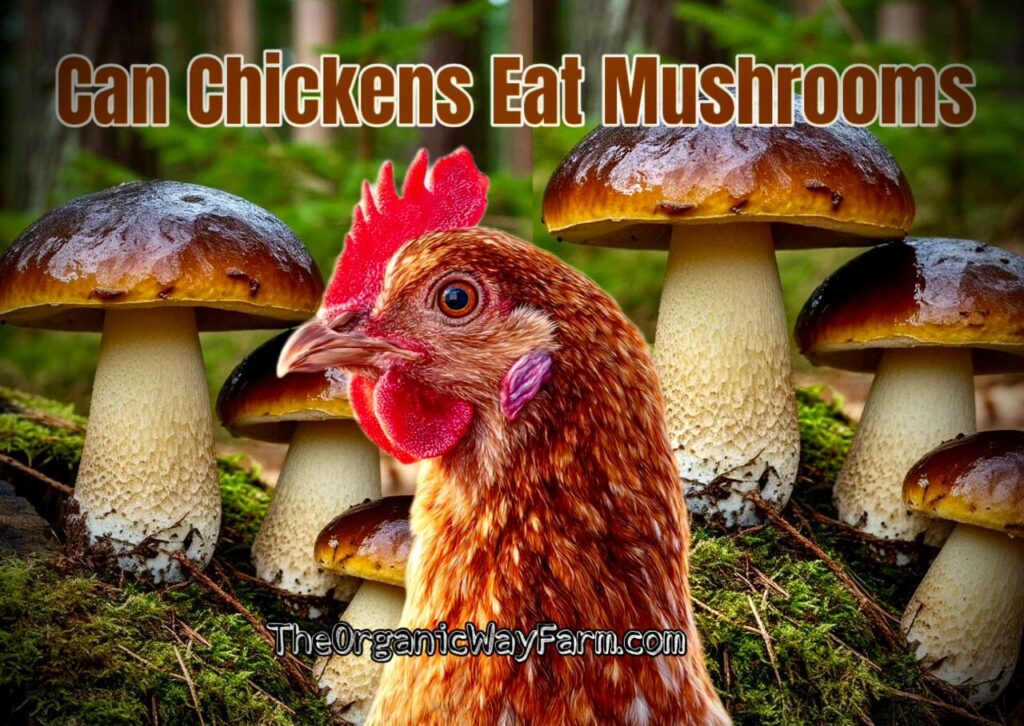
If you’re a chicken owner or thinking about keeping chickens, you might find yourself wondering about their diet. Specifically, you may be asking the question, “Can chickens eat mushrooms?” This is a common inquiry, and it’s understandable! Maintaining a balanced diet for our feathered friends is key to keeping them healthy and happy.
The short answer to the question is YES! Chickens can eat mushrooms, but there are certain guidelines we should follow to ensure their safety. Not all mushrooms are safe for chickens and some can even be toxic. So it’s important for us to know which mushrooms are good and which ones we should avoid.
In this article, we will explore everything you need to know about feeding mushrooms to chickens. From how much they can eat, the best ways to prepare them, the benefits of including mushrooms in their diet, the risks involved, and even substitutes if mushrooms aren’t available. Are you ready to learn more about this exciting food for our chickens? Let’s get started!
- Can Chickens Eat Mushrooms?
- How Much Mushrooms Can Chickens Eat?
- Best Way to Feed Mushrooms to Chickens
- Benefits of Feeding Mushrooms to Chickens
- Risks and Dangers of Feeding Mushrooms to Chickens
- Substitutes for Mushrooms in Chicken Diets
- Frequently Asked Questions
Let’s dive in!
Can Chickens Eat Mushrooms?
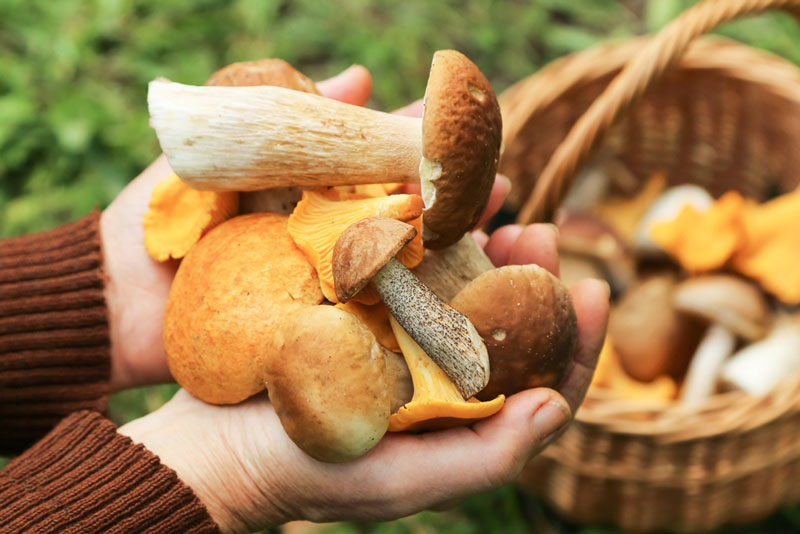
When we think about feeding chickens, it’s important to consider the nutritional value of what we’re giving them. Chickens are omnivores and need a diverse diet that includes grains, greens, fruits, and proteins. Mushrooms can certainly fall into this category but with a few important things to remember.
Certain types of mushrooms can provide nutritional benefits to chickens. Edible mushrooms, like button mushrooms and shiitake, can be a great addition to their diet. They are packed with proteins, vitamins, and minerals. These nutrients can play a part in supporting overall health for our chickens. Additionally, mushrooms can give our chickens a tasty treat and some variety in their meals.
However, we must be cautious as there are many species of mushrooms that can be toxic. Wild mushrooms growing in our gardens or nearby fields can pose a serious risk. Some of these mushrooms are fatal if consumed, so it’s best to only feed chickens mushrooms that we purchase from a reliable source. We can easily find safe mushrooms in grocery stores or local markets that we know are edible.
Cooking mushrooms is often recommended to eliminate any potential toxins and enhance digestibility. Raw mushrooms can be a little tough for chickens to chew and digest properly. Cooking them lightly allows the chickens to absorb more nutrients. Whether we’re sautéing them with some greens or baking them in a delicious mix, cooked mushrooms can make an enticing meal for chickens.
You might also be intrested in: Can Chickens Eat Cilantro?
How Much Mushrooms Can Chickens Eat?
When introducing mushrooms into our chickens’ diets, moderation is key. We want to ensure our chickens enjoy the benefits without overwhelming their systems. Just like humans, chickens can have digestive issues if they eat too much of a new food all at once. So starting small is always best when trying something new.
A good rule of thumb is to provide mushrooms as a treat, comprising no more than 10% of their overall diet. This works well because it ensures they’re receiving a variety of nutrients from their regular feed. We can chop mushrooms into smaller pieces, making them easier for the chickens to eat.
Mushrooms can also be mixed into other foods we’re giving them. For instance, we can toss some chopped mushrooms into their scratch grains or mix them into their regular feed. This way, we can monitor how much they are consuming more easily. Observing how they react after their first attempt at mushrooms is crucial. If they seem to enjoy it and experience no adverse effects, we can consider offering it again in the future.
It’s also essential to remember that not every chicken will respond to mushrooms in the same way. Some may love mushrooms, while others might simply ignore them. We should always pay attention to our chickens’ preferences and be willing to adapt their diet as needed. By respecting their tastes and watching out for their well-being, we can ensure they are healthy and happy.
Overall, we should gradually incorporate mushrooms into our chickens’ diet while keeping an eye on their reactions. Moderation is essential, and variety is the spice of life—this applies just as much to our chickens as it does to us!
Best Way to Feed Mushrooms to Chickens
Feeding mushrooms to our chickens can be a delightful experience for both us and them. To maximize their enjoyment and nutritional benefits, we need to explore the best ways to incorporate mushrooms into their meals.
First, sourcing safe mushrooms is essential. When shopping, we can look for organic and fresh options from local markets or grocery stores. Avoid wild mushrooms unless we are 100% sure they are edible. As mentioned earlier, cooking mushrooms before serving is often beneficial. We can choose to steam, sauté, or bake them. Cooking enhances their flavor, softens the texture, and makes digestion easier for our feathered friends.
We can also mix mushrooms with chicken feed. For anyone who enjoys cooking, we can prepare a special chicken meal by mixing cooked mushrooms with grains and leafy greens. This adds variety to their diet and keeps feeding time fun and exciting. Creativity in the kitchen can lead to wonderful meals.
Another way to feed mushrooms is to serve them as a treat. We can offer them as a snack during free-range time. This way, our chickens can scratch, peck, and enjoy finding these little mushroom pieces. It can also be a fun bonding time for us as we interact with them.
It’s important to monitor chickens when we introduce any new food. Observing their behavior after they’ve eaten mushrooms will ensure they’re digesting properly, and we can identify any signs of distress or discomfort.
To summarize, safe mushroom options, cooking them, creative combinations, and regular observation are key factors in feeding them to chickens effectively. When done right, mushrooms can be a tasty treat that many chickens will adore!
Benefits of Feeding Mushrooms to Chickens
Hydration
Mushrooms are an excellent source of hydration for our chickens. Since these fungi are made up of approximately 90% water, they provide an easy way for our birds to intake moisture, especially during hot summer months. Keeping our chickens hydrated is crucial for their overall health, as it helps them maintain normal bodily functions, including temperature regulation and digestion.
Additionally, hydrated chickens tend to exhibit more energy and activity levels. Increased activity is vital for their well-being, as it allows them to peck at the ground, socialize, and forage. Swapping out some of their standard dry feed for hydrated foods like mushrooms can aid in delivering the moisture they need while also providing great nutrition.
Fiber
Mushrooms are a great source of dietary fiber, which is important for our chickens’ digestive health. Just like humans, chickens require fiber to help support a healthy digestive system. Fiber can aid in preventing issues such as sour crop or impacted gizzards—problems that can arise if they are eating too many low-fiber foods. Feeding mushrooms can contribute to a balanced diet filled with necessary vitamins in fiber.
By adding mushrooms to their diets, we are also encouraging healthy bowel movements. Regular and healthy droppings indicate that our chickens are processing their food correctly. Plus, when chickens feel good, they are more likely to lay eggs consistently. A consistently healthy diet promotes a healthy, productive flock!
Vitamins and minerals
Feeding mushrooms to chickens also introduces essential vitamins and minerals. Mushrooms contain B vitamins, including riboflavin, niacin, and pantothenic acid, which play crucial roles in metabolism and energy use. These vitamins can help our chickens metabolize food and gain the energy they need for daily activities and egg production. Additionally, mushrooms are a source of minerals like selenium and potassium, which contribute to healthy feather growth and overall health.
Our chickens’ diets should strive for balance, incorporating a variety of foods to offer a full spectrum of nutrients. Including mushrooms as part of this mix gives our chickens what they need to stay vibrant and energetic.
Mental Stimulation
Feeding chickens involves more than just nutrition; it also includes mental stimulation. Chickens are naturally curious creatures, and introducing new foods can keep their interest piqued. Offering mushrooms in different ways—whether they are scattered in the grass or served cooked—can engage them and promote exploration. This interaction with their environment can lead to healthier behavior patterns and overall happiness for our chickens.
Nutritional Breakdown of Mushrooms
Taking a closer look at the nutritional breakdown of mushrooms can help us see just how beneficial they can be for chickens. One cup of raw mushrooms typically contains about 15 calories, along with tiny amounts of fat and carbohydrates. As mentioned earlier, they provide fiber, along with vitamins and minerals like B vitamins and potassium.
It’s essential to consider that each type of mushroom may contain unique nutritional properties. Button, shiitake, and portobello mushrooms can all have varying levels of nutrients, so it can be fun to switch things up and introduce different varieties. This helps our chickens experience diverse tastes and ensures they receive a wide range of nutrients.
Dangers of Feeding Mushrooms to Chickens
While many mushrooms are safe for chickens, it’s essential for us to be aware of the risks that come with feeding them fungi. Identification of potentially toxic mushrooms is crucial to avoid health complications. There are various wild mushrooms that could be deadly if consumed by chickens, as well as people.
Some well-known toxic mushrooms include the death cap and the destroying angel, both of which are highly dangerous. Wild mushrooms can sometimes look similar to benign types. We must be careful and absolutely avoid any mushrooms if there is any doubt about their safety.
Even edible mushrooms pose some risks. Some chickens may not digest mushrooms well, especially if they are not cooked. Undercooked or raw mushrooms may lead to gastrointestinal upset and discomfort. Signs to watch for include lethargy, loss of appetite, or excessive droppings. Keeping a watchful eye during the early days of incorporating mushrooms into our chickens’ diets will help ensure that they are adapting well.
In addition to toxicity and digestive issues, we must be cautious about introducing any new foods to our chickens in large amounts. Overfeeding mushrooms—especially if they’re a new addition—can lead to bloating or other digestive troubles. Moderation is key even for beneficial foods we want our chickens to enjoy.
Substitutes for Mushrooms in Chicken Diets
If we determine that mushrooms are not suitable for our chickens due to concerns or availability, there are plenty of alternative treats we can offer. Several vegetables are beneficial and easy to find. For example, leafy greens like spinach, lettuce, and kale are excellent substitutes. They provide similar hydration and fiber content.
Cruciferous vegetables, like broccoli and cauliflower, can also be included in their diets. These vegetables are packed with vitamins and minerals that chickens will enjoy while being safe to eat. In addition to vegetables, we can offer fruits such as berries, watermelon, or apples in moderation. This variation can keep our chickens entertained while they explore their food.
It’s essential to maintain a balance in their diet. Even if we are replacing mushrooms, providing our chickens with different foods ensures they get the nutrients they need. Diversification is key to keeping our flock thriving!
Can Chickens Eat Mushrooms? Frequently Asked Questions
Which mushrooms should I avoid giving to chickens?
We must be cautious about toxic mushrooms like the death cap and the destroying angel. Only offer store-bought, known edible mushroom varieties.
Can chickens eat raw mushrooms?
Raw mushrooms can be hard for chickens to digest properly. Cooking them is often recommended to enhance digestibility.
How often can chickens have mushrooms?
Mushrooms can be offered as a treat, making up no more than 10% of their overall diet. Aim for moderation and observe their reactions!
Are mushrooms good for chicken health?
Yes! When safe mushrooms are fed in moderation, they can provide hydration, fiber, vitamins, and minerals that support chicken health.
What are some great alternatives to mushrooms?
If mushrooms are not available or suitable, leafy greens, vegetables, and certain fruits are all healthy substitutes that can be safely offered to chickens.
Final Thoughts
In conclusion, feeding mushrooms to our chickens can be a delightful and nutritious addition to their diet when done correctly. We must prioritize safety, ensuring we only offer edible varieties while cooking them for easier digestion. Given moderation, mushrooms can be beneficial for hydration and provide essential nutrients. If mushrooms do not fit into our feeding plans, we can always find alternatives that keep our flock happy and healthy. With a little care, we can incorporate mushrooms safely into our chicken diets, making mealtimes more exciting for our feathered friends.
If you’re eager to expand your knowledge on various delightful treats for your flock, check out this article on can chickens eat Beans? for more nourishing options!