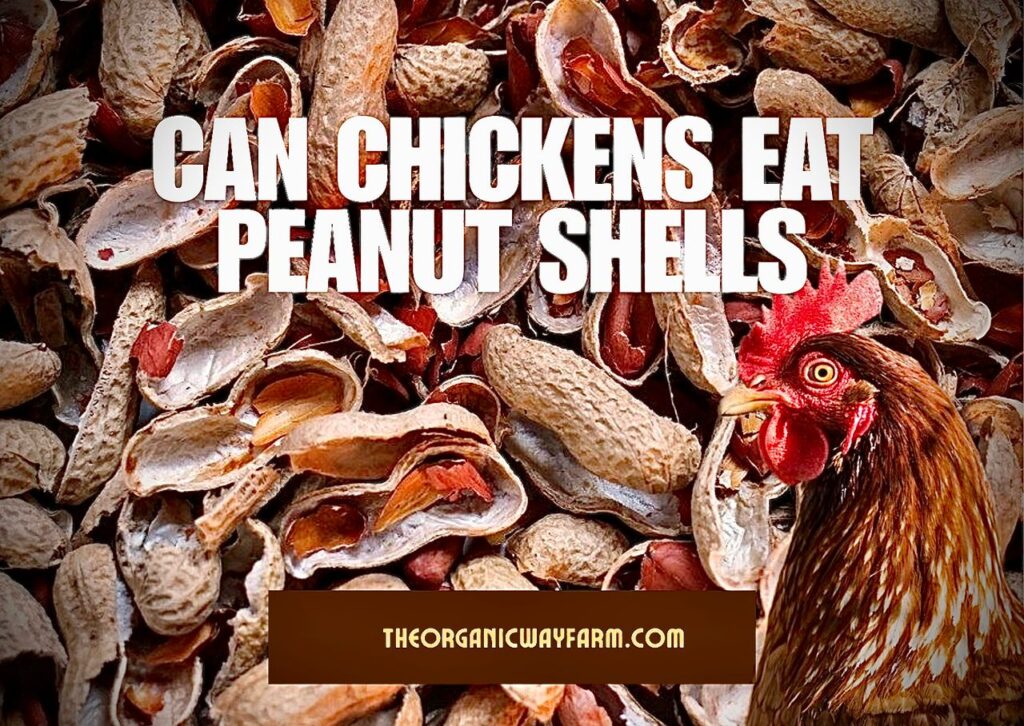
If you’ve ever found yourself with leftover peanut shells, you might wonder, “Can chickens eat peanut shells?” You’re not alone in this! Many chicken owners ask this question when they are looking for ways to reduce waste and keep their feathered friends entertained and fed.
The short answer is that yes, chickens can eat peanut shells in moderation. While peanuts are a delicious snack for both humans and chickens, the shells can provide an additional experience for your flock. However, it is vital to be aware of some practical considerations about how much and how to feed them safely to your chickens.
To explore this topic in-depth, we’ve gathered some information to answer your questions, and we’ll tackle the following points together:
- Can Chickens Eat Peanut Shells?
- How Much Peanut Shells Can Chickens Eat?
- Best Way to Feed Peanut Shells to Chickens
- Benefits of Feeding Peanut Shells to Chickens
- Risks and Dangers of Feeding Peanut Shells to Chickens
- Substitutes for Peanut Shells for Chickens
Let’s dive in!
Can Chickens Eat Peanut Shells?
Chickens are known for their curious nature and love for pecking at various items in their environment. As such, they will often try to eat whatever is available. This instinct leads many of us to wonder whether peanut shells can be a part of their diet. The good news is that chickens can indeed eat peanut shells. These shells are fibrous and can provide some roughage for your chickens, which is beneficial for their digestion. However, it is crucial that we do not overdo it.
When we feed our chickens peanut shells, we should ensure that they are complimentary to their typical diet. Chickens primarily need a balanced diet consisting of grains, seeds, and greens. Peanut shells should be considered a treat rather than a main food source. Fresh peanuts without any flavorings or preservatives can be a great snack for our flocks, but we must exercise caution with the shells.
While some sources suggest that peanut shells can be provided to chickens, it’s important to recognize the differences in how each chicken may react to them. Some birds might love the crunch and enjoy munching through the hard shells, while others might ignore them completely. Observing hens’ preferences helps us learn what suits them best. This sense of familiarity can ease feed anxiety, as chickens will try new things as they become comfortable with the idea.
You might also be intrested in: Can Chickens Eat Peanuts?
How Much Peanut Shells Can Chickens Eat?
Understanding the appropriate quantity of peanut shells for our chickens is crucial. Just like with any treat or food, moderation is the key. Although peanut shells can be safe to consume, they should not make up a significant part of chickens’ diet. Chickens require a wide array of nutrients from various food sources, and feeding them too many shells could lead to digestive issues over time.
As a guideline, adding a small handful of crushed peanut shells to their regular feed occasionally is usually safe. We can consider feeding them a couple of times a week, ensuring that their primary diet consists of balanced feed and fresh produce. Crushed shells may be easier for the chickens to manage, allowing them to enjoy the texture without the challenge of breaking down whole shells.
It’s also essential to keep an eye on our chickens’ reactions. If any issues arise—such as digestive distress or a noticeable decline in appetite—we should reconsider how we integrate peanut shells into their diet. The focus should always be on providing a balanced diet with plenty of other nutritious options. Observing and adjusting our practices is vital to ensure the well-being of our flock.
Keep in mind that peanut shells have a tough texture and can be hard to digest for some chickens. While they can get some fiber from the shells, we don’t want to overload them. This balance helps maintain their overall health and ensures they enjoy their meals.
Best Way to Feed Peanut Shells to Chickens
Feeding peanut shells to our chickens can be a delightful way to enrich their diet and provide them with a treat. However, we must consider the best way to present these shells to make them more enjoyable and safe for our feathered friends.
One effective method is to crush the peanut shells before offering them to chickens. This process allows for easier consumption and digestion, reducing the risk of issues arising from ingesting hard, whole shells. We can use a rolling pin or a food processor to break the shells into smaller pieces. Once crushed, we can sprinkle the shells over their regular feed or mix them in with kitchen scraps and garden greens.
Another way to introduce peanut shells is to create a foraging activity for our chickens. Placing crushed shells in a designated area in their coop or yard can stimulate their natural instincts for searching and pecking. This not only helps keep them engaged but also promotes exercise and mental stimulation.
It’s also recommended to monitor the portion size. A small handful or a sprinkle is ideal, enough just to create interest without overwhelming them. Combining the peanut shells with other treats of varied textures, such as seeds and vegetables, can create a more well-rounded experience while feeding. Our goal is to avoid boredom in their diet, so mixing in different treats keeps their meals exciting.
Benefits of Feeding Peanut Shells to Chickens
Hydration
One of the most significant benefits of introducing peanut shells into our chickens’ diet is the hydration it can provide. Chickens need plenty of water for their health and well-being. Adding peanut shells, which have a dry texture, into a moist feed can absorb some of their water content, aiding in hydration while they consume their meal. However, remember that this benefit is indirect and should not replace their need for clean, fresh water, which must always be accessible to them.
Fiber
Packing a decent amount of fiber, peanut shells can contribute positively to our chickens’ digestion. Fiber is essential for maintaining a healthy digestive system, as it helps regulate the movement of food through the intestines. By incorporating peanut shells into their meals, we provide a fun source of fiber that can aid in their digestive health, helping to prevent issues such as constipation.
Vitamins and minerals
Peanut shells, while not the primary source of nutrients, do contribute trace amounts of vitamins and minerals. By offering them as a treat, we can enrich our chickens’ overall diet when combined with other nutritious foods. The diversity in their diet is key to promoting optimal health since chickens thrive on a wide variety of foods.
Mental stimulation
Chickens are intelligent creatures that need mental stimulation. By allowing them to peck and search for peanut shells, we encourage natural behaviors and enrich their environment. This simple act keeps our hens entertained and happy. Mental stimulation plays a role in reducing stress and boredom, leading to happier and healthier chickens.
Nutritional breakdown of peanut shells
Understanding the nutritional breakdown of peanut shells enhances our knowledge of what we feed our chickens. Peanut shells possess some benefits, containing minimal levels of fiber and roughage that can help support our chickens’ digestive health. Even though they are not highly nutritious, when given in moderation, they can still be a fun treat to accompany a well-rounded diet.
Dangers of Feeding Peanut Shells to Chickens
Although peanut shells may be safe in moderation, we must acknowledge potential risks associated with feeding them to our chickens. One primary concern is the texture of the shells. As we have already discussed, peanut shells can be tough to digest. If a chicken consumes larger pieces without breaking them down, it may lead to digestive distress, discomfort, or blockages.
There is also a risk of choking if a chicken tries to swallow a larger chunk whole. Older chickens and those with existing health issues may be more susceptible to these risks. Therefore, we should always ensure that peanut shells are broken down into smaller pieces and closely observe the flock during feedings. If we see any signs of distress, we should stop feeding them immediately.
Peanut shells should never replace a chicken’s primary source of nutrition. Focusing solely on treats, even if they include peanut shells, can lead to malnutrition and imbalanced health. We must be vigilant about maintaining a balanced diet for our chickens, ensuring they receive nutrients from grains, seeds, and fresh garden produce.
Additionally, it’s crucial to consider any possible contamination. If the peanut shells come from processed or flavored peanuts, they could carry harmful ingredients or additives that are not suitable for chickens. Always choose natural, plain peanut shells for our flock’s safety.
Substitutes for Peanut Shells for Chickens
When considering alternatives to peanut shells, we are fortunate to have a wide variety of options to choose from. Other treats can provide similar benefits without the risks associated with peanut shells. For example, we can offer our chickens fresh fruits and vegetables like carrots, apples, or leafy greens.
These foods offer not only fiber but also provide necessary vitamins and minerals that contribute positively to our chickens’ health. Fruits and vegetables can be chopped or shredded to make them easier for our chickens to eat. New and interesting textures can keep our hens engaged and happy!
Another option is offering various grains or seeds. Chickens often enjoy sunflower seeds, cracked corn, or oats. These alternatives can provide more nutrients and energy than peanut shells, ensuring a well-rounded diet for our birds. The excitement of trying out different treats will keep our flocks interested in their meals.
Incorporating new foods allows us to customize each chicken’s treat based on individual preferences and nutritional needs. Every chicken is unique, so what one hen enjoys, another may not. Experimenting with various substitutes helps us maintain a healthy and happy flock.
Can Chickens Eat Peanut Shells? Frequently Asked Questions
What is the best way to introduce peanut shells to my chickens?
Introducing peanut shells can be done gradually. Start with small, crushed amounts sprinkled over their normal feed, and observe their reactions to ensure they like it.
Can peanut shells cause digestive problems for chickens?
Yes, if consumed in large pieces, peanut shells can lead to digestive issues. Always crush them and keep watch over your flock during feeding times.
Are there any other nuts that chickens can eat?
Chickens can eat some other nuts in moderation, like unsalted almonds and walnuts. We should stick to natural options and avoid flavored or processed nuts.
How often can I feed peanut shells to my chickens?
Peanut shells should only be given occasionally as a treat, around once or twice a week will be just fine while primarily focusing on balanced nutrition.
Can chickens eat peanut butter?
Chickens can eat peanut butter as well, but it should be served in moderation. Peanut butter should be unsalted and natural, as additives can be harmful.
Final Thoughts
In summary, yes, chickens can eat peanut shells in moderation and in suitable forms. While they provide some benefits, we should remember to prioritize a balanced diet made up of grains, seeds, vegetables, and fruits. Monitoring our flock’s health is vital as we introduce new foods into their diets. Always be observant and make adjustments based on their needs and reactions.
Feeding peanut shells can be an engaging way to enrich our chickens’ diets, keeping them entertained and happy. As we look to expand their meals, consider exploring other options like what they can enjoy with grapes or tomatoes, as these delicious treats can provide plenty of nutritional benefits as well. Remember to make their feeding experience enjoyable, and don’t hesitate to keep experimenting with healthy treats for our beloved flock!