
If you have chickens and enjoy fruits, you might be wondering if you can share some pineapple with them. Pineapple is a tasty treat, and who can resist its juicy sweetness? But what about the skin of the pineapple? Can chickens eat pineapple skin? This is a common question among chicken owners, and I’m here to help clarify the confusion.
The quick answer to this question is yes, but it’s important to note that not all parts of the pineapple are equally safe for our feathered friends. Pineapple skin can be tough and difficult for chickens to digest. While the flesh is delicious and nutritious, the skin should be offered in moderation, and it’s crucial to prepare it properly before feeding it to your chickens. We want to ensure they have a delightful eating experience without any harm.
Keep reading as we explore this topic in greater detail. We will learn how to feed our chickens pineapple skin safely, the benefits of doing so, and any risks to be aware of. Plus, we will look at some alternatives to pineapple skin that can also be healthy snacks for our chickens. Here are the topics we will tackle together:
- Can Chickens Eat Pineapple Skin?
- How Much Pineapple Skin Can Chickens Eat?
- Best Way to Feed Pineapple Skin
- Benefits of Feeding Pineapple Skin
- Risks/Dangers of Feeding Pineapple Skin
- Substitutes for Pineapple Skin
- Frequently Asked Questions
Let’s jump in!
Can Chickens Eat Pineapple Skin?
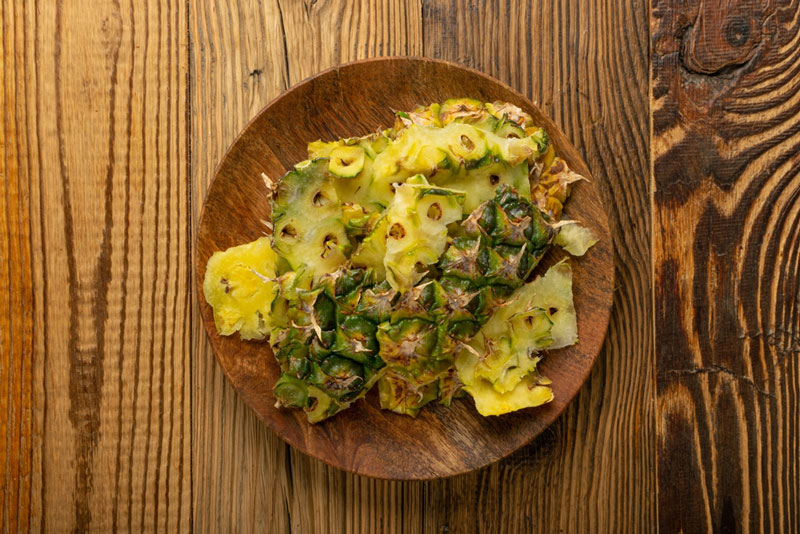
Chickens are known for their adaptability when it comes to food. They are omnivores, meaning they enjoy a variety of foods, including grains, vegetables, and fruits. Pineapple, in particular, is a tropical fruit that chickens can enjoy. The flesh is sweet and juicy, but the skin is a different story. It is much tougher and can be spiky, which makes it more challenging for chickens to eat.
Many chicken owners have reported that chickens can eat pineapple skin, but it is often best to process it before feeding. This means cleaning the skin thoroughly to remove any pesticides or harmful substances. Cutting the skin into smaller, more manageable pieces can also help the chickens digest it better. While chickens are curious and eager to try new foods, we should still ensure that what we give them is safe and appropriate for their diets.
You might also be intrested in: Can Chickens Eat Blueberries?
How Much Pineapple Skin Can Chickens Eat?
When it comes to feeding pineapple skin to chickens, moderation is key. Even though chickens can consume pineapple skin, it doesn’t mean they should eat a large amount of it. We should be mindful of portion sizes.
A good rule of thumb is to limit pineapple skin to a small fraction of their daily diet. For instance, if you are giving your chickens other treats, ensure that pineapple skin is just a small part of their overall food intake. Again, cutting the skin into smaller pieces can help prevent them from overindulging in it all at once.
Remember that humans can eat pineapple skin as well, so even after we feed our chickens, we can understand what the right amount might be. Keeping in mind the overall health of our chickens, combining yummy treats with their regular feed will promote balanced nutrition.
It’s also a great idea to observe your chickens after offering them pineapple skin. Watch their reactions and how they handle the treat. If they seem to enjoy it and there are no signs of distress or digestive issues, then that’s a positive sign.
The focus should always be on providing variety in their diet while keeping it healthy. Pineapple skin can be a fun addition, but make sure to incorporate it responsibly.
Best Way to Feed Pineapple Skin
We want to ensure our chickens have the best experience with their food. When introducing pineapple skin, it’s best to prepare it correctly. Before feeding, we should wash the skin thoroughly. This step will remove any dirt and chemicals that may be on the surface, making it safe for them to eat.
Next, slicing the skin into smaller pieces is essential. Chickens have beaks that can grasp food but may struggle with larger chunks. By making the pieces smaller, we help them eat the skin without any issues. You can then place the pineapple skin on the ground in their coop or run, or scatter it to encourage foraging behavior.
Another fun way to feed pineapple skin is to mix it with other fruits or vegetables. By creating a fruit salad, we can entice our chickens to enjoy a variety of flavors. Their curiosity will lead them to explore and taste, creating a balanced snack variety that provides extra nutritional benefits.
Always observe how they react to new foods. If some chickens are hesitant, they might need a little more time to warm up to the idea. It’s our role as caretakers to ensure a pleasant and enjoyable eating experience while helping them step out of their comfort zones.
In addition to using fresh pineapple skin, we can also consider drying it. Dried pineapple skin can make a crunchy treat. Just ensure that it is dried thoroughly and doesn’t mold. This offers a longer-lasting snack that they can enjoy over time.
Benefits of Feeding Pineapple Skin
Hydration
Pineapple is naturally high in water content, which means it can help keep your chickens hydrated. Many people don’t realize how important hydration is for our feathered friends. Chickens, especially during hot seasons, can benefit immensely from consuming juicy fruits and vegetables. By feeding them pineapple skin in moderation, we can help support their hydration needs.
Fiber
Pineapple skin contains fiber, which is beneficial for digestion. A good amount of fiber helps ensure a balanced digestive system for our chickens. Just like us, chickens need fiber to keep their guts healthy, and including pineapple skin can be an excellent way to introduce more of it into their diets.
Vitamins and minerals
Pineapple is rich in vitamins and minerals, such as vitamin C and manganese. By offering pineapple skin, we’re giving our chickens the chance to absorb these nutrients, contributing to their overall health. Vitamins are essential for growing strong and healthy birds, and every little bit helps.
Mental stimulation
When we introduce new foods, like pineapple skin, it encourages chickens to explore their environment. Chickens are naturally curious creatures, and providing them with something different to peck at can help keep them mentally stimulated. A healthy mind translates to happy and active chickens!
Nutritional breakdown of grapes
Similar to how we value the nutritional benefits of grapes, pineapple skin can offer a unique contribution to our flock’s diet. While we offer a range of healthy options, understanding the limitations and benefits is essential. Monitoring their weights and egg production ensures an optimal balance tailored to their requirements.
Risks/Dangers of Feeding Pineapple Skin
We should not overlook the importance of being cautious. Just because something is edible doesn’t mean it’s always safe or suitable for our chickens. While pineapple skin can provide some benefits, potential risks should be addressed. One concern is the tough texture. Chickens have strong beaks, but the thick and spiky skin can be more of a challenge to digest.
Chickens can sometimes experience digestive issues, especially if they eat too much or if the pieces are too large. It’s always wise to monitor how many pieces of pineapple skin they are consuming and to watch for signs of discomfort. If you notice any unusual behavior, such as lethargy or a change in appetite, it may mean they struggle with the skin.
Another consideration is the sugar content. Pineapple is on the sweeter side compared to other fruits. Too much sugar in chicken diets can lead to health issues, and we don’t want our precious flock to develop any problems such as obesity or diabetes. Please remember to maintain a balanced diet!
It’s best to avoid offering canned pineapple or any that comes with syrup, as these can have added sugars that are unhealthy for chickens. Cooking any fruit is also not recommended, as it may lose some nutrients and benefits that raw foods provide.
Lastly, always remember that every chicken is unique, and some may react differently to new foods. Keeping an eye on their health and following best practices ensures we are doing our best for our flock’s welfare.
Substitutes for Pineapple Skin
If we didn’t feel like offering pineapple skin or if our chickens don’t seem keen on it, there are plenty of healthy alternative treats available! Greens are incredibly beneficial for chickens, and vegetables such as leafy greens and poached squash can assist in diversifying their diets. The more colors we introduce, the better!
Fruits like bananas, blueberries, and strawberries can also provide delicious and nutritious options. Each of these fruits has its benefits, from vitamin richness to low-calorie counts. Apples are another easy fruit to share with chickens as well, providing crunch and flavor.
Root vegetables like carrots and beets can add fiber and enhance their meals while offering different textures. These options can be prepared in a similar way to pineapple skins by chopping or shredding them into smaller pieces.
Consider also experimenting with legumes or lentils in their diet. These can be cooked and mashed to provide protein-rich snacks. A well-rounded and varied diet will lead to healthier, happier chickens.
Remember, the key to keeping our flock happy is variety! Small changes in their diets, including different treats, will stimulate their interest and reward us with harmonious chicken health.
Frequently Asked Questions
Can my chickens eat too much pineapple skin?
Yes, it’s possible for chickens to have too much of anything, including pineapple skin. Monitoring their intake ensures they don’t consume excessive sugar or struggle with digesting the tough texture.
What other fruits can chickens eat safely?
Chickens can enjoy a wide variety of fruits, including apples, grapes, and melons. Always ensure that the fruits are clean and cut appropriately to suit their size.
Is it necessary to remove pesticides from fruits before feeding them to my chickens?
Absolutely! Washing fruits thoroughly removes harmful pesticides and chemicals, making them safe for consumption.
Are there any fruits I should avoid giving my chickens?
Certain fruits such as avocado are harmful to chickens, so it’s vital to stick to safe options and to research if in doubt.
How do I know what is best to feed my chickens?
Every chicken is different. Observing their reactions to foods and consulting with veterinarians or fellow chicken owners can provide valuable insight into what works best.
Final Thoughts
Pineapple skin can certainly be a tasty and beneficial treat for our chickens when prepared and offered in moderation. Understanding their dietary needs is essential as we add variety to their meals. Every little bit helps in supporting their hydration, digestion, and overall well-being. As we explore different foods, we can learn what works best for our flock while enjoying the process!
Since we want to provide a well-rounded diet for our chickens, be sure to check out other delicious options like grapes, carrots, and blueberries. Together, let’s keep our chickens happy and healthy!