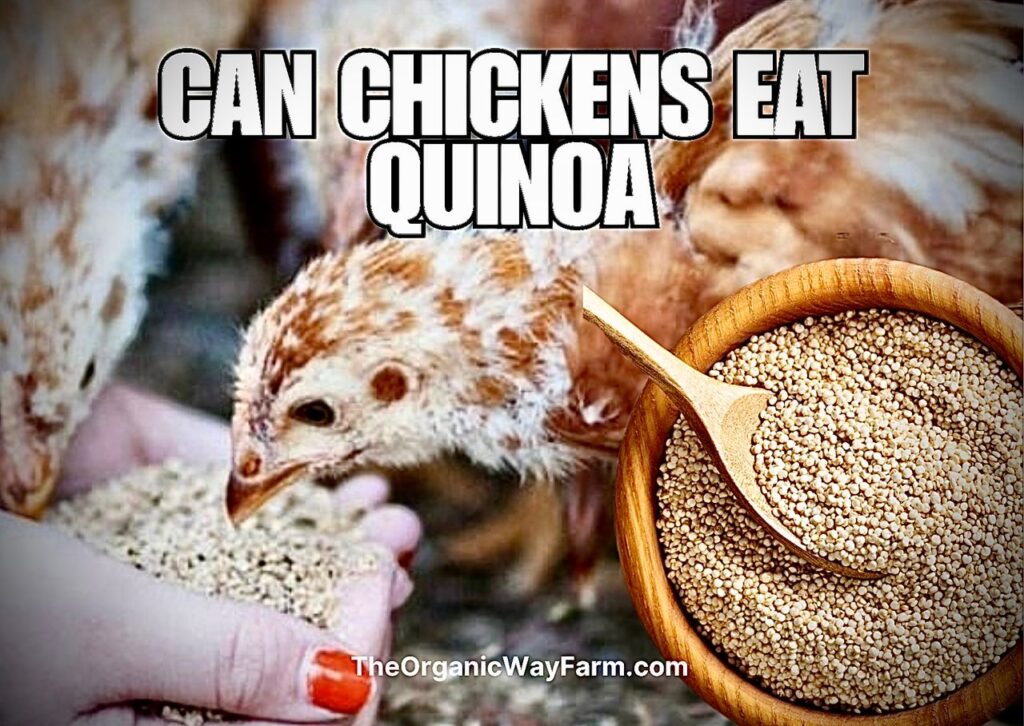
Welcome to the chicken feeding world, where we always want the best for our feathered friends! With so many food options available, one might wonder, “Can chickens eat quinoa?” This is a common concern among chicken owners, and we’re here to clarify that for you.
The answer is a resounding YES! Chickens can safely eat quinoa. Not only is it packed with nutrients, but it also serves as a hearty treat that your chickens will likely adore. Just like us, our feathery pals appreciate a variety in their diet, and quinoa can be a delightful addition. So, why is quinoa such a suitable choice for our chickens? Let’s explore this delicious grain further!
We encourage you to keep reading as we uncover all the details about feeding quinoa to chickens. From how much they can eat to the benefits and potential risks, we’ll help you make informed choices for your flock. We’re all in this together, so let’s dive deeper with the topics we will discuss:
- Can Chickens Eat Quinoa?
- How Much Quinoa Can Chickens Eat?
- Best Ways to Feed Quinoa to Chickens
- Benefits of Feeding Quinoa to Chickens
- Risks and Dangers of Feeding Quinoa to Chickens
- Substitute Options for Quinoa
Let’s get started!
Can Chickens Eat Quinoa?
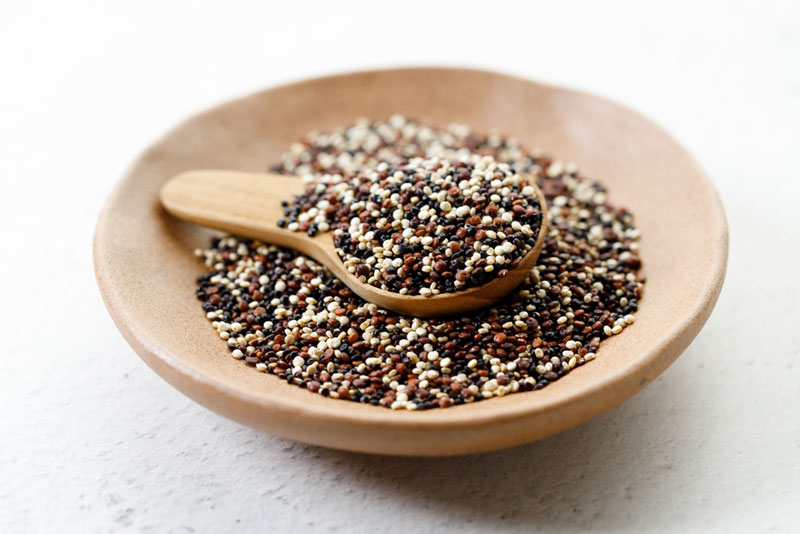
Quinoa is a grain-like seed that comes from the Andean region of South America. It’s considered a superfood due to its high nutritional value, and it has gained popularity among humans as a healthy food option. But can chickens safely enjoy this nutritious food too?
The simple answer is yes! Chickens can eat quinoa and it can be part of their diet. Quinoa is gluten-free, high in protein, and contains essential amino acids that are beneficial for our chickens. This makes it an excellent source of nutrition for them.
When we think about feeding our livestock, it’s vital to offer a diverse diet. Just like humans, chickens benefit from variety. Incorporating quinoa into their meals can contribute to their overall health.
Quinoa can be offered cooked, raw, or sprouted. However, cooked quinoa may be easier for them to digest. It’s important to remember to monitor your chickens when introducing new foods to ensure they tolerate and enjoy it without any adverse reactions.
You might also be intrested in: Can Chickens Eat Mushrooms?
How Much Quinoa Can Chickens Eat?
So now that we know chickens can eat quinoa, let’s talk about how much they can actually have. Portion control is essential in keeping our chickens healthy.
As a good rule of thumb, quinoa should only make up a small portion of their overall diet. We suggest that it should not take up more than 10% to 15% of their daily intake. Too much quinoa can lead to an unbalanced diet, possibly causing digestive issues or other health complications. Quality chicken feed should still be their primary food source.
For regular feeding, a tablespoon or two for adult chickens once or twice a week can make a great snack. Baby chicks can have smaller amounts as they also transition into their adult diet. When starting them on quinoa, begin with small portions and gradually increase if they seem to enjoy it.
Always pay attention to how your chickens respond. If you notice any adverse reactions like lethargy or digestive changes, it’s wise to reduce or discontinue feeding quinoa and consult a veterinarian. Keeping our chickens healthy is our top priority, so being cautious is the key.
Best Ways to Feed Quinoa to Chickens
Let’s explore the best ways to feed quinoa to our chickens. There are several methods that we can use to introduce quinoa into their diets effectively.
The first option is serving cooked quinoa. Cooking it makes it easier for chickens to digest. It can be a delicious warm treat for them, especially during colder months. Simply boil the quinoa in water until it fluffs up, then let it cool before serving it.
Another option is offering raw quinoa. Chickens do have a strong digestive system, but soaking the raw quinoa for a few hours in water before serving can help with digestion. This also adds moisture, especially important in the warm weather.
We could also consider offering sprouted quinoa. This method not only enhances the nutritional content but also adds variety to their diet. By soaking quinoa seeds and allowing them to sprout, we can provide a living food that has a full range of vitamins and enzymes that are great for our chickens.
Feeding them in moderation is important, regardless of the method chosen. Mixing quinoa with their regular feed can also help ease them into new textures and flavors.
Benefits of Feeding Quinoa to Chickens
Hydration
One of the benefits of quinoa is its hydration properties. It contains a good amount of water. Chickens can benefit from moisture-rich foods, especially during hot days, as it helps to keep their bodies cool and functioning properly.
Fiber
Fiber is essential for maintaining a healthy digestive system. Quinoa is rich in fiber, which can aid in digestion and help prevent constipation in chickens. A healthy digestive tract promotes better nutrient absorption and overall health.
Vitamins and minerals
Quinoa is loaded with vital vitamins and minerals such as iron, magnesium, and folate. These nutrients support various bodily functions in chickens, including strong feathers, bone health, and egg production. Supplementing their diet with quinoa ensures they receive these necessary nutrients.
Mental stimulation
Feeding our chickens a variety of foods can also enhance their lives by providing mental stimulation. Chickens are intelligent creatures that enjoy foraging and exploring different textures and flavors. Adding quinoa to their diet can make feeding time exciting.
Nutritional breakdown of Quinoa
To further understand the benefits, let’s take a look at the nutritional breakdown of quinoa. Aside from its high protein content, which makes it an excellent muscle builder, quinoa contains an impressive array of amino acids. It is complete, meaning it has all nine essential amino acids required for proper function.
Additionally, it is low in fat yet high in vitamins and minerals that our chickens need. These properties make quinoa an ideal supplement in their diet.
Dangers of Feeding Quinoa to Chickens
While we love the idea of feeding quinoa to our chickens, it is essential to note that there are some risks involved. Monitoring the amounts that our chickens consume is critical.
One risk is that quinoa contains saponins. These natural chemicals can be bitter-tasting and may cause digestive upset if consumed in large quantities. However, washing the quinoa before cooking will help to remove some of these compounds.
As with any food, developing an allergy or intolerance is also a possibility. If poorly introduced, some chickens may experience diarrhea or other digestive disturbances. Always monitor your flock after introducing a new food item.
Feeding our chickens too much quinoa can lead to an imbalanced diet. If we substitute their main feed with quinoa, they may miss out on essential nutrients that are provided in a well-formulated chicken feed. Proper balance is essential for maintaining their health.
Substitute Options for Quinoa
In case quinoa does not suit your chickens, it’s good to know that there are plenty of other grains and seeds available that can offer similar benefits.
Some popular substitutes include oats, millet, and barley. These grains are nutritious and can easily be added to their feed. They also have unique textures and tastes that might be enjoyable for our chickens.
Whatever short-term substitute we choose, keeping our chickens’ nutritional needs and preferences in mind is essential. Just like humans, each chicken can have its own likes and dislikes!
Can Chickens Eat Quinoa? Frequently Asked Questions
Is quinoa safe for baby chicks?
Yes, baby chicks can also eat quinoa. However, it’s best to start with small amounts and ensure it’s properly cooked or soaked for easy digestion.
How often can I feed quinoa to my chickens?
As mentioned earlier, it’s best to limit quinoa to 10% to 15% of their diet, so offering it a couple of times a week in moderation is recommended.
Can quinoa help improve egg quality?
With its nutrient-rich profile, quinoa can support overall hens’ health, including egg production and quality when added to a balanced diet.
What is the best way to serve quinoa?
We can serve quinoa cooked, raw (soaked), or sprouted. Each method offers different benefits and can suit our chickens’ preferences.
Can quinoa be mixed with other grains?
Absolutely! Mixing quinoa with other grains can add variety to their diet and provide different nutrients that are essential for their health.
Final Thoughts
In conclusion, quinoa can be a nutritious and beneficial addition to our chickens’ diet when given in moderation. The high protein content, essential vitamins, and minerals make it a valuable food source that can enhance their health and egg production.
Let’s continue exploring more topics that can help us provide the best care for our feathered friends. If you are curious about other foods, check out the benefits and risks of feeding chickens various fruits and vegetables like grapes, tomatoes, or bananas. Understanding their dietary needs is crucial for raising happy, healthy chickens!