
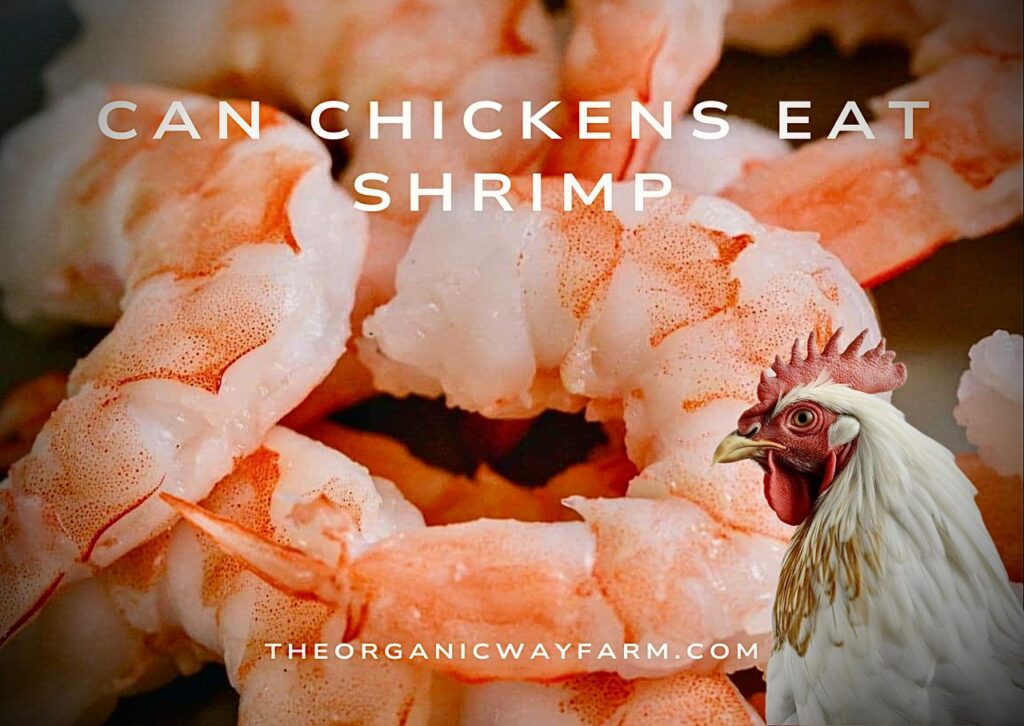
If you’re a chicken owner or thinking about becoming one, you might have wondered, “Can chickens eat shrimp?” You are definitely not alone! This question gets asked often in the world of backyard chickens. Many people explore different food options for their feathered friends to ensure they’re getting a balanced diet.
When it comes to shrimp, the answer is a resounding YES. Chickens can absolutely eat shrimp! This seafood treat can be a fantastic addition to their diet due to its high protein content and other beneficial nutrients. However, it is important to consider how much shrimp they should have and how to serve it to them.
We are eager to share our findings about feeding shrimp to chickens. We’ll explore the nuances and important details surrounding this topic, so keep reading if you want to learn more! We will tackle several key aspects, such as:
- Can Chickens Eat Shrimp?
- How Much Shrimp Can Chickens Eat?
- Best Way to Feed Shrimp to Chickens
- Benefits of Feeding Shrimp to Chickens
- Risks and Dangers of Feeding Shrimp to Chickens
- Substitutes for Shrimp for Chickens
Let’s get started!
Can Chickens Eat Shrimp?
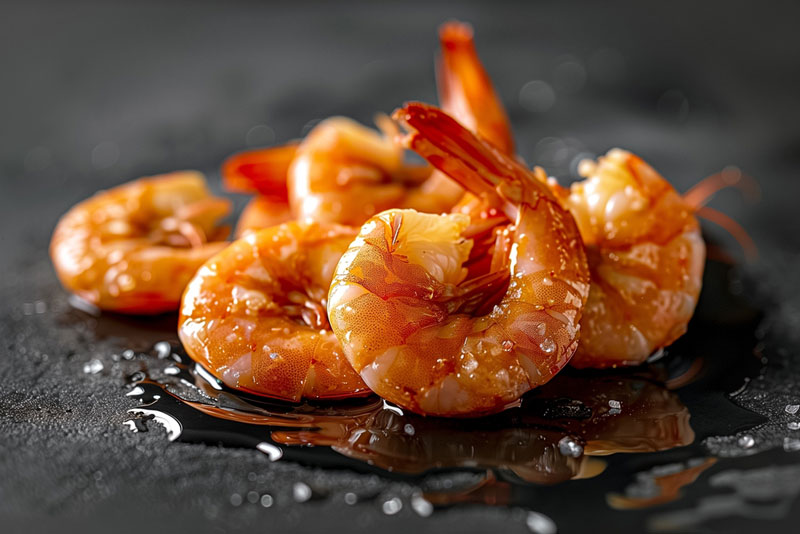
Yes, chickens can eat shrimp! In fact, this shellfish can be quite nutritious for them. Shrimp is high in protein, which is essential for a chicken’s growth, egg production, and overall health. When we think about feeding our chickens, we always want to ensure they are getting their fair share of nutrients, and shrimp can contribute significantly to their diet.
Chickens are omnivores, meaning that they can eat both plant and animal matter. This adaptability in their diet allows us to feed them a variety of foods, which can contribute to their happiness and health. Incorporating shrimp as a treat is a great way to add some variety, especially if you notice your chickens becoming picky about their offerings. Plus, they usually enjoy the taste, leading to happier hens.
It’s wise, however, to consider where the shrimp comes from. Naturally, we want to choose shrimp that is free from harmful chemicals or preservatives. Fresh boiled or cooked shrimp is the best option, as it ensures that our chickens are consuming a safe product. It’s like how we would select the best food for ourselves — we should extend the same care to our feathered friends.
How Much Shrimp Can Chickens Eat?
Determining how much shrimp to give your chickens can depend on a few factors such as their size, age, and overall diet. Generally speaking, it is best to treat shrimp as a snack rather than a staple food. Moderation is key when feeding shrimp to chickens. A small handful per chicken once a week will usually suffice, and this can help prevent any digestive issues that might arise from overindulgence.
It’s important to remember that while shrimp is nutritious, it shouldn’t replace their primary feed. A balanced diet for chickens typically consists of high-quality commercial feed that fulfills their nutritional requirements, and shrimp should complement that. It’s like the treats we give ourselves — it’s nice to enjoy something special now and again, but we also need to ensure we’re sticking to a well-rounded diet.
Some owners may choose to give a little more shrimp during the molting season when chickens need extra protein to grow back their feathers. If your chickens seem to enjoy it and are healthy, you might feel comfortable giving them a bit more. Just keep an eye on how they react to the shrimp in their diet. If you notice any odd behavior or digestive issues, you might want to cut back and consult a vet.
Also, we should always consider the size of the shrimp when feeding it to our birds. Smaller shrimp can be consumed easily by chickens, while larger shrimp may need to be cut into smaller pieces. This precaution helps prevent choking or difficulty in digestion, promoting their safety while enjoying their meal.
Best Way to Feed Shrimp to Chickens
The best way to feed shrimp to your chickens is by serving it cooked. Raw shrimp can carry bacteria or parasites that might be harmful to our flocks, so ensuring it is properly cooked eliminates that risk. Boiling or steaming shrimp works well, and we can even add a pinch of salt for flavor if we desire – just remember not to overdo it!
After cooking the shrimp, we should let it cool down before serving it to the chickens. Once it’s at a comfortable temperature, chop it into smaller pieces, especially if you’re using larger shrimp. This step will help ensure our birds can peck at it easily without any issues.
You can mix the shrimp in with their regular feed or offer it separately as a treat during the day. Chickens are naturally curious and can be quite funny when it comes to new foods. They might scratch around to discover the shrimp, making the feeding experience enjoyable for us and them.
To keep things interesting, we can also experiment with incorporating other tasty treats along with the shrimp. For instance, we can mix chopped shrimp with veggies or grains, creating a delicious feast that they can’t resist. Just remember that any new food should be introduced gradually to avoid upset stomachs.
Benefits of Feeding Shrimp to Chickens
Hydration
Shrimp has a high water content, which can help keep our chickens hydrated. As they eat this seafood treat, they can receive an extra moisture boost, especially during those hot summer months. Staying hydrated helps our feathered friends maintain healthy body functions, so any food that aids in hydration should be warmly accepted in their diet.
Fiber
While shrimp itself doesn’t provide a lot of fiber, when mixed with a variety of other feed or coupled with fibrous vegetables, it can contribute to a balanced diet. Fiber is important for our chickens as it aids in digestion and helps prevent issues such as constipation.
Vitamins and minerals
Shrimp is filled with essential vitamins and minerals, such as vitamin B12, which supports red blood cell production and energy levels in chickens. Other nutrients found in shrimp can help boost their immune systems and promote overall health. Incorporating shrimp as an occasional treat allows us to provide an extra dose of nutrition to our flock.
Mental stimulation
Beyond nutrition, offering shrimp provides mental stimulation. Chickens love to explore their food, and having different types of treats can keep them entertained. When we present new foods, it encourages them to engage in natural pecking and foraging behaviors, which can lead to happier chickens.
Nutritional breakdown of shrimp
Shrimp is indeed packed with a variety of nutrients that can help support the general health and growth of chickens. With appropriate amounts of protein, omega-3 fatty acids, and essential vitamins, shrimp can play a valuable role in enhancing our feathered friends’ diets. These nutrients work together to ensure our birds not only stay healthy but also produce delicious eggs for us!
Dangers of Feeding Shrimp to Chickens
Even when we think of feeding our chickens shrimp, we should keep a few risks in mind. One primary concern is the possibility of allergies. Although rare, some chickens might have allergies or sensitivities to seafood. We should be observant when introducing new foods to our flock and watch for any signs of an adverse reaction, such as unusual behavior or digestive distress.
One risk comes from feeding shrimp that has not been properly cooked or cleaned. Raw shrimp can harbor bacteria and pathogens that can pose serious health threats to our chickens. That’s why cooked shrimp is the only safe way to treat our birds to this delicacy.
Shells can pose another danger. While the meat of the shrimp is safe and healthy, we must be cautious not to feed them the shells. The shells can be difficult for chickens to digest and may lead to digestive blockages. It’s best to always remove the shells before giving them to our feathered friends.
Another consideration is the sodium content. If we happen to add salt while cooking the shrimp, it’s important to remember that chickens can be sensitive to high salt levels. We should avoid heavily salting their food, as excessive sodium can result in health problems like kidney issues.
Also, shrimp should not be given too frequently, as with any treat. Overfeeding shrimp can lead to dietary imbalances, obesity, and digestive discomfort. Treats should make up no more than 10% of a chicken’s diet. Ensuring a balanced, main feed remains our priority.
Substitutes for Shrimp for Chickens
If you’re looking for alternatives to shrimp or want to mix things up a bit, there are several other protein sources we can consider. Some excellent options for chickens include mealworms, crickets, or cooked beans. These sources are also high in protein and can provide different flavors and textures for our birds.
Mealworms, in particular, are popular due to their high protein content and ease of feeding. They can be fed as a dried treat or even live, adding excitement for our chickens. Crickets are another delightful option that can help satisfy our feathered friends’ natural hunting instincts while providing similar nutritional benefits as shrimp.
We can also explore other seafood options, like cooked fish or even oyster shells, which are great for calcium. Each of these substitutes offers unique nutrients while allowing us to keep the diet varied and interesting for our chickens. So, we can switch it up while ensuring that our favorite flock stays healthy and happy!
Can Chickens Eat Shrimp? Frequently Asked Questions
How often can I feed shrimp to chickens?
We recommend feeding shrimp as an occasional treat, no more than once a week. Moderation is key!
Are there any special preparations for shrimp before feeding?
Always cook shrimp thoroughly and remove the shells. Let it cool before serving.
Can chickens eat raw shrimp?
Feeding raw shrimp is not safe for chickens due to potential harmful bacteria. Cook it before serving.
What are some other treats I can feed chickens besides shrimp?
Chickens enjoy mealworms, crickets, and various fruits and vegetables. Get creative with treats!
Can chickens eat seafood other than shrimp?
Yes, chickens can eat other cooked seafood, but be sure to avoid any that may be seasoned or contain harmful ingredients.
Final Thoughts
In conclusion, we find that shrimp can be a delightful and nutritious treat for our chickens when given in moderation. By offering shrimp safely, we can help our feathered companions enjoy a varied diet that can contribute to their health and happiness. Always consider how much we’re giving them, how it’s prepared, and any possible risks associated with new foods. With love and care, our chickens can thrive and bring joy to our homesteads. If you want to explore more aspects of chicken feeding, check out our articles on grapes, broccoli, or even cheese. Happy chicken raising!