
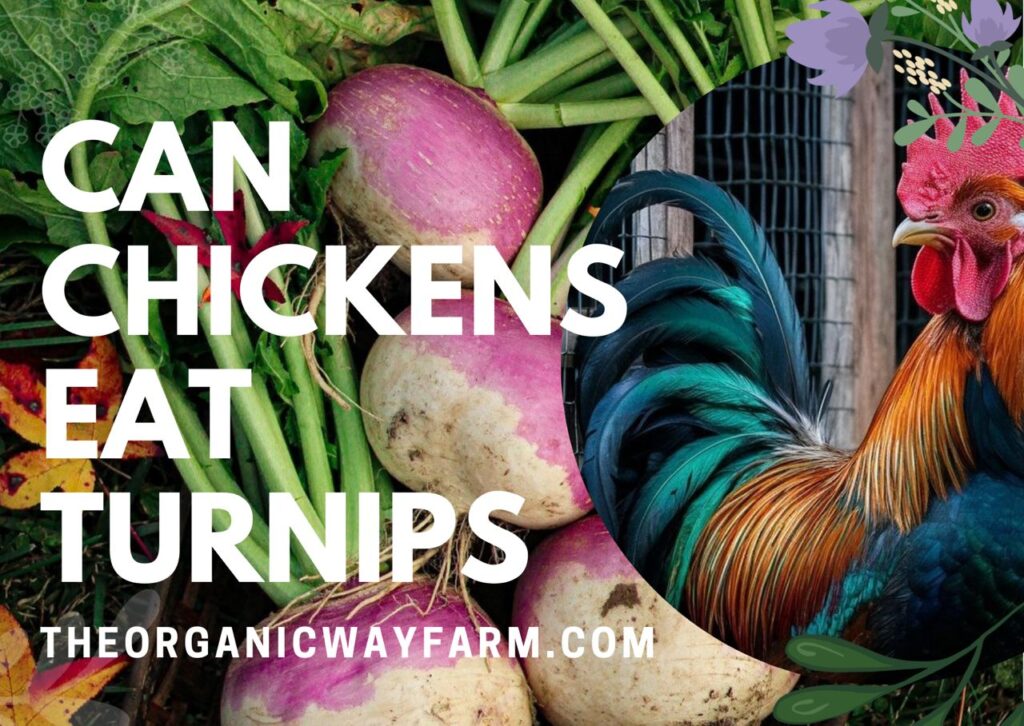
If you’re raising chickens, you might often wonder about their diet and what foods are safe for them to eat. One common question that pops up is, “Can chickens eat turnips?” This root vegetable is nutritious for humans, but what about for our feathery friends?
The simple answer is YES, chickens can eat turnips! They are perfectly safe for chickens to consume. Turnips provide several important nutrients and can be an excellent addition to your chickens’ diet.
If you’re curious about how to incorporate turnips into your chickens’ meals and what benefits they offer, keep reading! In this article, we’ll cover everything you need to know about feeding turnips to your chickens.
- Can Chickens Eat Turnips?
- How Much Turnips Can Chickens Eat?
- Best Way to Feed Turnips to Chickens
- Benefits of Feeding Turnips to Chickens
- Risks and Dangers of Feeding Turnips to Chickens
- Substitute Foods for Chickens
Let’s get into the details!
Can Chickens Eat Turnips?
Chickens are quite adaptable and can eat a wide variety of foods beyond grain and pellets. When it comes to turnips, they are indeed safe for chickens to eat. Turnips belong to the cruciferous family, which also includes vegetables like broccoli, cabbage, and kale. These types of veggies are known for being nutrient-rich and beneficial to chickens.
Turnips can be served to chickens in various forms. You can provide them raw, cooked, or even shredded. Some chickens love to peck at whole turnips, developing their foraging abilities and satisfying their natural instincts. The leaves of the turnip plant are also perfectly safe for chickens to munch on. In fact, many chickens enjoy the green tops just as much as the root itself.
As a farmer, we recognize that variety in diet is vital for maintaining chickens’ health. Including turnips can add not just flavor but also essential vitamins, minerals, and fibers to their daily meal, promoting their overall well-being. However, moderation is key, and we should also consider their main diet primarily centered around grains and protein.
To prepare turnips for your chickens, ensure they are clean and free from any potential chemicals. Although turnips are safe, not all turnips available are created equal, especially those found in your local grocery store. Always opt for organic and pesticide-free turnips, or grow your own to ensure the utmost safety for your flock.
Ultimately, chickens are more likely to enjoy turnips if they are cut up into manageable pieces. This makes it easier for them to eat and reduces the risk of choking. Always observe your chickens when offering new foods to see how they react and enjoy their meals!
You might also be intrested in: Can Chickens Eat Pineapple?
How Much Turnips Can Chickens Eat?
When thinking about how much turnip to feed chickens, we must keep in mind that treats should only constitute a small portion of their total diet. This means turnips can be offered as snacks or supplements rather than replacing their primary food sources.
Generally speaking, we can give chickens turnips a few times a week in moderation. A good guideline is to start with small pieces. A chicken should ideally consume no more than about 10 percent of their daily food intake in treats like turnips. This ensures they still get plenty of their main feed, which is crucial for their nourishment.
For instance, if your chicken weighs around five pounds, they might require about a quarter to a half cup of feed daily. Therefore, we might consider offering them a couple of small pieces of raw or cooked turnips throughout the week. It’s like serving a side dish at dinner; it should be enjoyable but not the main course.
As our chickens begin to enjoy turnips, we can observe their reactions. How do they eat it? Are they leaving pieces behind? If there’s a lot of leftover turnip after a few attempts, maybe it’s essential to reduce the amount offered. Additionally, introduce turnips into their diet gradually. Like humans, a sudden change in their diet can upset their stomach, so providing turnips in small amounts initially can help gauge their acceptance.
It’s also important to remember that free-ranging chickens may forage for additional nutrients that the turnips provide, so taking care to monitor both their homemade diets and natural foraging will contribute to their overall dietary balance.
Best Way to Feed Turnips to Chickens
Feeding chickens turnips can be done in several ways, ensuring they enjoy the nutritional benefits while having fun at the same time. A delightful idea would be to incorporate turnips into a variety of feeding methods to keep meals interesting for our flock.
One popular way to give chickens turnips is raw. Cut turnips into small, bite-sized chunks and scatter them on the ground or inside their coop. This mimics their natural foraging behavior, allowing them to peck around and explore their meal. They can enjoy discovering and finding bits of tasty turnip while exercising in the process.
We can also cook turnips to create a soft, palatable treat. Steamed or boiled turnips can be mashed and mixed in with their regular feed. Adding a warm, soft treat during colder months can be particularly satisfying, providing them comfort while also enhancing their diet. However, it’s crucial to avoid seasoning or adding other elements that could be harmful to chickens.
Another fun option is to turn turnips into a “vegetable basket” for our chickens to interact with. Thread pieces of turnip or other vegetables onto a string or hang them from a suspending structure. This “treat ball” encourages pecking and provides mental stimulation while they enjoy their feeding.
If your flock enjoys turnip greens, don’t let those go to waste. The leaves can be cut off and presented to the chickens as separate treats. They tend to go for the greens eagerly and get nutrients from both the leaves and the root itself.
Keeping their diet diverse helps maintain a healthy flock. So, it may be quite exciting to experiment with how we introduce turnips to our chickens’ regular meals.
Benefits of Feeding Turnips to Chickens
Hydration
One of the benefits of feeding turnips to chickens is the high water content they contain. Turnips are made up of a significant percentage of water, which can help keep our chickens hydrated. This added hydration is especially helpful during the heat of summertime when chickens are prone to dehydration. Consuming water-rich foods like turnips can prevent dehydration while supplementing their water intake.
The importance of hydration cannot be underestimated. Dehydrated chickens may show signs of fatigue, reduced egg production, and a loss of appetite. By introducing turnips, a hydrating vegetable, we help mitigate these risks and ensure our chickens remain active and healthy.
It’s also vital to remember that chickens should always have access to fresh, clean drinking water alongside any food we offer them, including turnips.
Fiber
Another significant benefit of feeding turnips to our chickens is the fiber they provide. Fiber plays a crucial role in their overall digestive health. Chickens require a balanced digestive system to maintain good gut health, and fiber is essential for that balance.
Fiber helps with digestion and keeps the digestive tract functioning correctly. Feeding turnips can promote proper digestion and prevent issues such as impacted crops—a common problem when chickens consume low-fiber foods.
When chickens have a consistent supply of fiber in their diets, it also helps maintain healthy bowel movements, reducing the likelihood of constipation or other gut-related issues. Good digestive health overall allows chickens to extract nutrients effectively from all of the foods they consume.
Vitamins and minerals
Turnips are indeed packed with vitamins and minerals that can positively impact chickens’ health. Specifically, turnips are a good source of vitamins A, C, and K, along with essential minerals such as calcium, potassium, and iron.
Vitamin A is vital for chickens. It plays a significant role in maintaining healthy eyesight and the integrity of skin and feathers. Vitamin C helps improve the immune system, helping chickens fight off illness and stress. Vitamin K supports blood clotting, which is critical for chickens that may injure themselves while foraging or playing.
Minerals like calcium are essential for laying hens, aiding in eggshell production. Potassium plays a role in muscle function, ensuring that their bodies remain strong and active. Iron is crucial for blood health in chickens.
By providing turnips, we can integrate these nutrients into our chickens’ diets naturally, helping to improve their overall health and vigor.
Mental stimulation
In addition to physical health benefits, feeding turnips can also provide chickens with mental stimulation. Chickens are curious and intelligent creatures who need activities to keep their minds engaged.
When we introduce new foods like turnips, we encourage chickens to explore and engage their natural foraging instincts. The act of pecking, scratching, and discovering food provides them with challenges that keep their minds sharp and entertained.
Providing a variety of foods can prevent boredom in the flock, leading to happier and healthier chickens. Exploring diverse foods ultimately leads to a more enriching experience in their environment.
Nutritional breakdown of turnips
Let’s look at the nutritional breakdown of turnips to understand their contribution better. A 100-gram serving of raw turnips contains approximately 28 calories. They also provide around 2 grams of protein, 6.4 grams of carbohydrates, and less than 1 gram of fat.
The vitamin content includes about 27% of the daily recommended intake for vitamin C, 8% for calcium, and 14% for potassium. This nutritional profile makes turnips an impressive supplement to a chicken’s daily diet.
Incorporating turnips into our flocks’ diets can make a tangible difference in their overall health, encouraging them to thrive while enjoying their meals!
Dangers of Feeding Turnips to Chickens
While turnips provide numerous benefits, we should also be aware of risks and potential dangers. One potential issue lies in the quantity we offer to the chickens. As mentioned earlier, it’s crucial to feed turnips in moderation. Too much of any new food can cause an upset stomach or diarrhea.
Additionally, chickens that are not accustomed to a wide variety of foods may experience digestive stress when given turnips for the first time. Therefore, gradual introduction and careful monitoring are essential.
Moreover, while turnips themselves are safe, chickens may consume parts of the vegetable or plant that could be harmful. It’s important to avoid giving them any toxic plants. For instance, leaves from some family members of turnips might pose a risk if fed in large amounts.
Additionally, we should always wash turnips thoroughly before offering them to ensure no dirt or pesticides reach our chickens. Never feed them raw turnips that have been treated with chemicals.
Observing our flock regularly will help us identify any signs of digestive distress or allergic reactions from new foods. Should we see adverse reactions, it’s best to remove turnips from their diet and consult a veterinarian.
Substitute Foods for Chickens
If for any reason turnips are not suitable for our chickens, or if we just want to offer different options, several other vegetables would make great substitutes! Some excellent options include carrots, broccoli, and spinach.
Carrots are another crunchy treat that can be offered raw or cooked, providing similar fiber and hydration benefits. Broccoli, being nutrient-rich, can also be presented in various ways – raw, steamed, or mixed. Spinach is an excellent leafy vegetable that chickens often love to munch on.
Alternating between these choices helps keep their meals exciting while also enhancing their diets with essential vitamins and minerals.
Remember, the key is to provide a varied diet. The same way we enjoy flavorful, colorful meals, our chickens appreciate an assortment of fruits and vegetables, keeping them happy and well-nourished. Regular exploration of different ingredients will provide a world of nutrients for our feathery friends!
Can Chickens Eat Turnips? Frequently Asked Questions
Is it safe to feed turnips to chickens every day?
While turnips are safe for chickens, it’s advisable to feed them in moderation. Treats should make up about 10 percent of their diet, preventing imbalances in their nutritional intake.
Can chickens eat turnip greens?
Yes, chickens can enjoy turnip greens! They are safe and highly nutritious, making a great addition to their diet.
Can chickens eat cooked turnips?
Absolutely! Cooked turnips are a soft and inviting treat for chickens, provided they are unseasoned and suitable for consumption.
What other vegetables can chickens eat?
Chickens can enjoy various vegetables, such as carrots, kale, leafy greens, cucumbers, and more — basically, a rainbow of veggies!
Can too many turnips be harmful to chickens?
Like any treat, if chickens consume too many turnips, it could lead to digestive upset. Moderation is the key to a balanced diet.
Final Thoughts
Feeding turnips to our chickens can be a rewarding experience for both us and our flock. By understanding the benefits, proper feeding techniques, and potential risks, we can better care for our chickens and provide them with a varied and nutritious diet. So, let’s keep exploring and trying new foods together, from turnips to tomatoes, to elevate our chickens’ health and happiness!
For more delicious and safe foods to complement your chickens’ diet, check out other articles on our site, like Can Chickens Eat Grapes?, Can Chickens Eat Tomatoes?, or Can Chickens Eat Bananas?. Happy feeding!