
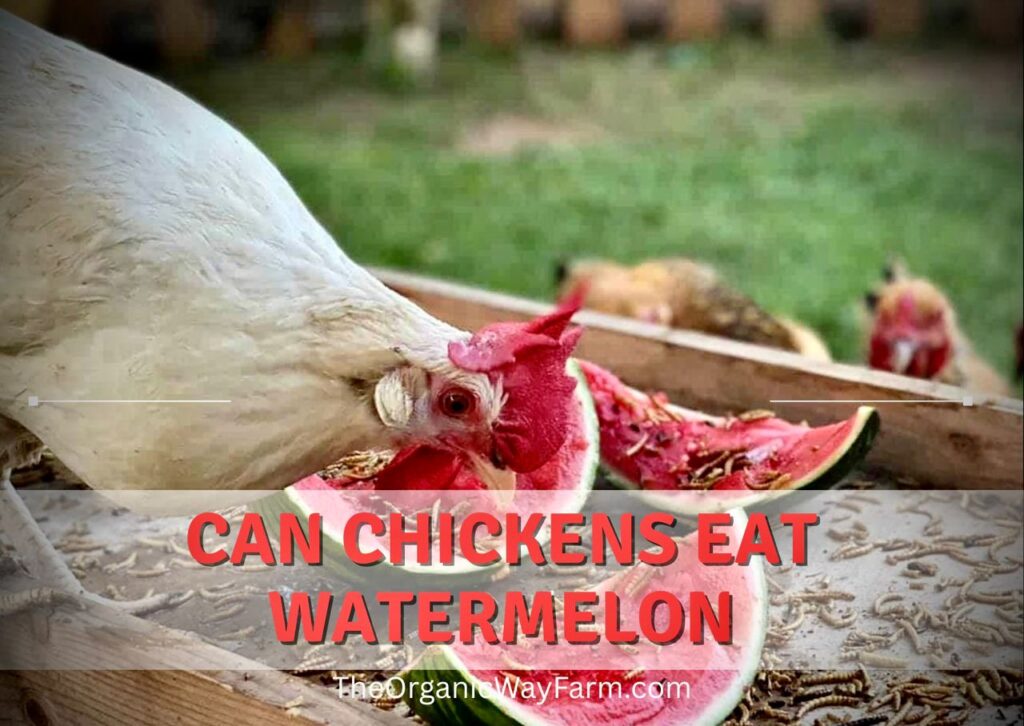
If you’ve ever wondered about your feathered friends and what tasty treats they can enjoy, you’re not alone! One common question that pops up is, “Can chickens eat watermelon?” It’s a sunny day, and your watermelon is just sitting there, waiting to be devoured.
The answer is a resounding YES! Chickens can safely enjoy watermelon, and they often love it. Watermelon is a refreshing fruit that can provide them with hydration and a little bit of fun. But, how do we offer this fruity delight to our hens? And what are the things we need to watch out for?
To learn all about how to safely share watermelon with our chickens, keep reading! We will explore several fascinating aspects, including how much watermelon they can have, the best ways to serve it, its benefits, risks, and some tasty substitutes we can consider to make our flocks really happy.
- Can Chickens Eat Watermelon?
- How Much Watermelon Can Chickens Eat?
- Best Way to Feed Watermelon to Chickens
- Benefits of Feeding Watermelon to Chickens
- Risks of Feeding Too Much Watermelon to Chickens
- Substitutes for Watermelon for Chickens
- Frequently Asked Questions About Chickens and Watermelon
Can Chickens Eat Watermelon?
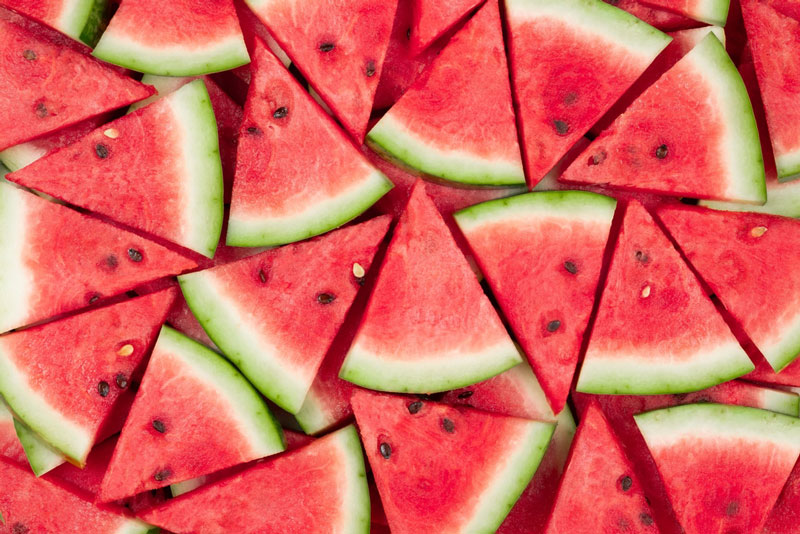
Chickens are known for being omnivores, which means they eat both plants and animals. Watermelon is a great choice for a treat because it is mostly water, making it deliciously hydrating. Chickens can feast on the flesh of the watermelon, and they can also enjoy the rind. However, it’s essential to wash the watermelon thoroughly to remove any pesticides or dirt before we serve it to our chickens.
Just like us, chickens can experience a range of flavors and textures, and they might really enjoy the sweet and juicy bites of watermelon. This fruit can be a delightful addition to their diet, especially during hot summer months when they may need help staying hydrated.
How Much Watermelon Can Chickens Eat?
When considering how much watermelon to feed our chickens, moderation is the key. While watermelon is safe, it should not take the place of their regular feed. Watermelon is high in sugar, so it should be treated as a treat rather than a staple part of their diet. Generally, about one or two small pieces a couple of times a week will be enough.
It’s always good to observe how our chickens react to new foods. We can start with a tiny piece and see if they enjoy it before adding more to their treats. Each chicken might have its taste preferences, so we can gauge what they love over time.
There are some factors to consider when giving watermelon to our flock. Chickens should always have a balanced diet that includes grains, proteins, and greens. Watermelon can supplement that, but we should not lean too heavily on any one item. A varied diet will keep our hens healthy!
Also, if we are giving our chickens the rind, we should make sure it is cut into smaller, manageable pieces to avoid choking hazards.
Best Way to Feed Watermelon to Chickens
The way we present food to our chickens can make a big difference in their interest. We can simply cut a watermelon in half and let them enjoy the juicy treat right from the shell. This method can be exciting for them, as they can peck and scratch at the watermelon, making it feel more like a natural foraging experience.
Another idea is to chop the watermelon into small chunks. This helps us control portion sizes better and makes it easier for younger or smaller chickens to enjoy the treat. We can even mix watermelon chunks into their regular feed to make mealtime more exciting.
Hanging pieces of watermelon in the coop can also create fun for our feathered friends. Chickens love to peck at things, and they can appreciate a challenge. This way, they can take their time and have some entertainment as they enjoy their treat.
Benefits of Feeding Watermelon to Chickens
Hydration
One of the primary benefits of feeding watermelon to our chickens is hydration. Since watermelon consists of about 92 percent water, it is a wonderful way to boost their fluid intake, especially in hot weather. Staying hydrated is crucial for chickens, as it helps them maintain healthy body temperatures and promotes egg production.
Fiber
Watermelon also provides a source of fiber. Fiber is essential for keeping our chickens’ digestive systems working well. If they have a healthy gut, they can absorb nutrients better and stay happy and active.
Vitamins and minerals
This vibrant fruit contains vitamins A, B6, and C, along with minerals like potassium and magnesium. These nutrients support our chickens’ overall health. Vitamins boost their immune systems, while minerals help with muscle function and energy levels. A balanced diet supports their egg-laying and feather health, ensuring they stay vibrant and strong.
Mental Stimulation
Giving new types of food can keep our chickens’ brains active and engaged. When we offer watermelon, they have to explore, peck, and figure out how to get to the good stuff inside. This keeps them entertained and adds variety to their lives.
Nutritional breakdown of watermelon
Watermelon is a low-calorie snack. This means we can give it more freely without worrying too much about weight gain. It has very few fats and helps satisfy their energy needs while also taking care of their thirst.
Risks/Dangers of Feeding Too Much Watermelon to Chickens
As we learned earlier, moderation is essential. While watermelon is fine as an occasional treat, too much of it can cause issues. The high sugar content can lead to obesity in chickens if we offer it regularly and in large amounts. Fat and sugar can lead to health problems, such as fatty liver or reproductive issues. It’s crucial to maintain a balance in their diets to avoid these risks.
We also want to be cautious about mold. Spoiled or moldy watermelon is harmful to chickens. Always check for any signs of spoilage before giving them a piece. If it smells off or has an unusual color, it’s best to throw it away to keep our feathered friends safe.
If our chickens are not used to watermelon or new foods, introducing it slowly is wise. We can start with small pieces and monitor their reactions. Some chickens may have sensitive stomachs and could experience digestive upset from sudden changes in their diet.
In essence, watermelon can be a fun and healthy treat for our chickens, but keeping a close eye on portion sizes and ensuring we aren’t relying solely on it for their nutrition is vital.
Substitutes for Watermelon for Chickens
In case we’re looking for alternatives to watermelon, there are plenty of other fruits that our chickens may enjoy! Fruits like strawberries, blueberries, and cantaloupe are nutritious options that provide similar benefits. All of these fruits are hydrating and vitamin-rich.
While watermelon is unique for its high water content, many other fruits can contribute to hydration, like cucumbers and tomatoes. These can be fun and surprising additions to their diet, and our chickens can appreciate the variety.
It’s essential, however, to apply the same moderation rules to these substitutes. Not every fruit is suitable, and we must research before trying new foods. Some fruits, like avocados, should be avoided. Always check for safe fruit options specific to chickens.
Frequently Asked Questions
Can all chickens eat watermelon?
Yes, most chickens can safely enjoy watermelon, but always check for any signs of allergies or reactions. If introducing new food, it’s best to go slow.
What parts of watermelon can chickens eat?
Chickens can eat both the flesh and the rind of the watermelon. Just remember to wash it first and cut it into manageable pieces!
Should I give my chickens watermelon every day?
Watermelon should be offered as a treat, so it’s better not to give it every day. Sticking to once or twice a week is reasonable.
What if my chickens don’t like watermelon?
Chickens can have preferences! If they aren’t interested, we can try different fruits or introduce watermelon in smaller amounts to spark their curiosity.
Can watermelon help with egg production?
While it doesn’t directly affect egg production, the hydration and vitamins from watermelon can support overall chicken health, contributing to better egg-laying in the long run.
Final Thoughts
Feeding our hens watermelon can be a delightful way to add nutrition and fun to their diet. The benefits of hydration, vitamins, and mental stimulation are excellent reasons to give them this juicy treat. However, moderation is key, as too much watermelon or any other treat can lead to health complications. Keeping our flocks healthy should always be our number one priority.
If you’re curious about other fruits for our chickens, you might want to check out if chickens can eat grapes. It can be exciting to explore a variety of nutritious options together!