
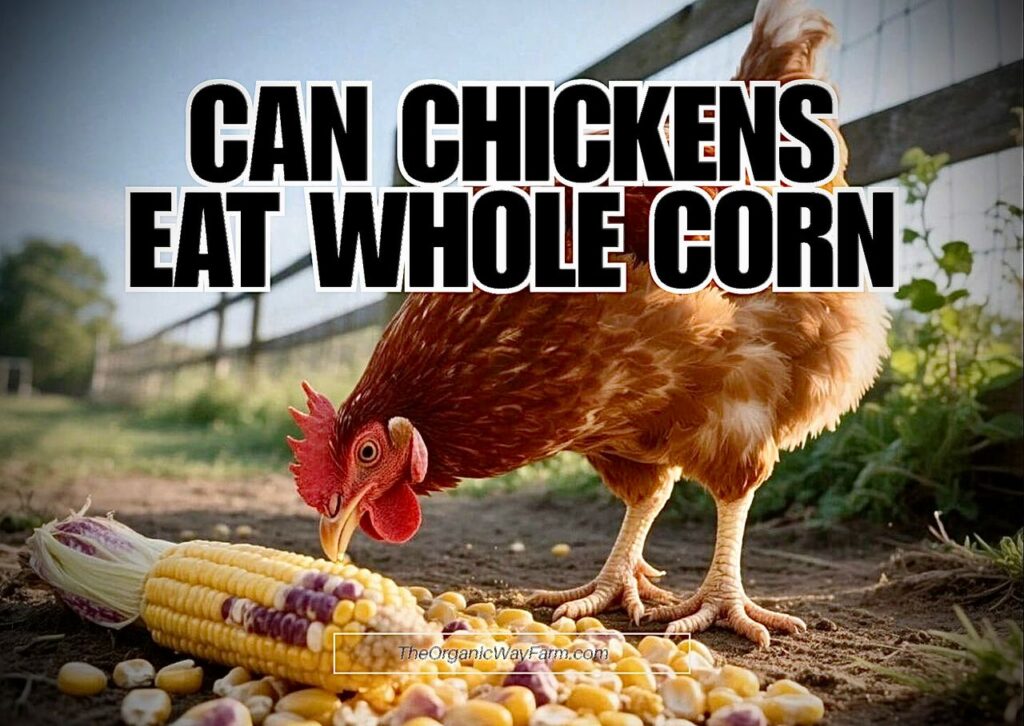
If you’re exploring what to feed your chickens, you may have wondered, “Can chickens eat whole corn?” This is a common question that fellow farmers often ask, and it’s a great one to consider! Chickens are known for their diverse diets, and while corn is often a staple in many chicken feed mixtures, understanding whether they can eat it whole is essential for their health and happiness.
So, to answer the question, yes, chickens can eat whole corn! However, there are some key points to keep in mind regarding portions and preparation to ensure our feathery friends get the most out of this grain. Whole corn can provide energy, but if given in excess, it might lead to some unwanted issues.
As we go through this article, we will uncover all the necessary details surrounding chickens and whole corn, including how much they can eat, the best ways to feed it to them, the benefits, possible risks, and alternatives. So stick around for this informative journey!
- Can Chickens Eat Whole Corn?
- How Much Whole Corn Can Chickens Eat?
- Best Way to Feed Whole Corn to Chickens
- Benefits of Feeding Whole Corn to Chickens
- Risks and Dangers of Feeding Whole Corn
- Substitutes for Whole Corn
Can Chickens Eat Whole Corn?
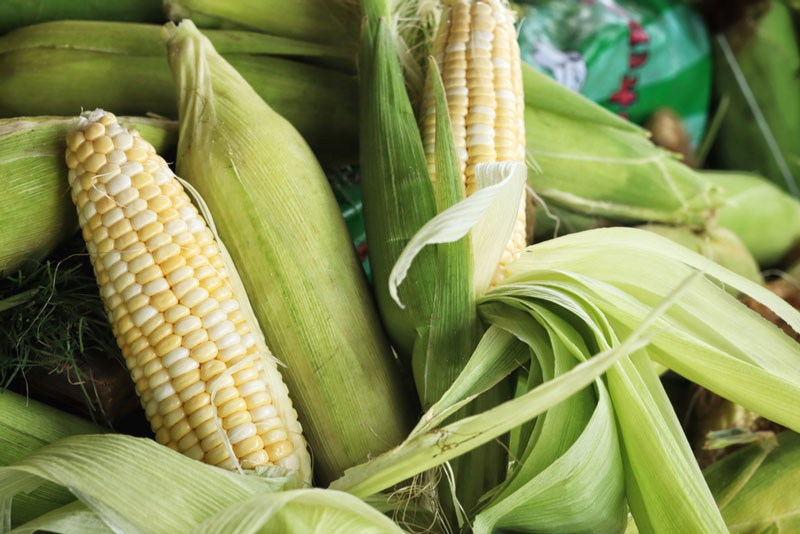
Chickens are omnivores, and they have a broad diet composed of grains, seeds, fruits, vegetables, and even insects. This variety helps ensure they get the right balance of nutrients for their growth and egg production. Now, when it comes to whole corn, it is an energy-rich food that many poultry farmers include in the feed mix. This corn offers carbohydrates, which can provide a quick source of energy for our chickens.
So, the question remains—can chickens eat whole corn? We can confidently say yes! Whole corn is safe for chickens, but moderation is key. As responsible chicken keepers, we need to make sure they receive a balanced diet, and incorporating whole corn should not compromise their nutrition. Chickens enjoy pecking at whole kernels, and the act itself can promote natural behaviors and keep them engaged.
You might also be intrested in: Can Chickens Eat Corn Husks?
How Much Whole Corn Can Chickens Eat?
When discussing how much whole corn chickens can eat, we need to ensure that we’re giving the correct portion sizes to keep them healthy. Chickens generally have a diet that consists of about 15 to 20 percent of their total feed as grains, including corn. If you consider their daily intake, if an adult chicken typically consumes ¼ to ½ cup of feed every day, that would mean only a small portion should be whole corn. It is important to remember not to offer it as their only food source; instead, it should be part of a well-rounded diet.
Young chicks have different nutritional needs compared to adult chickens, and feeding them whole corn is not recommended until they are at least 8 weeks old. Until that time, feed them high-quality chick starter feed that supports their developmental growth.
If we allow chickens to eat too much whole corn, we risk causing them nutritional imbalances and obesity, which can lead to health problems in the long run. As an example, many farmers might choose to provide corn as a part of their treats or as a supplemental feed in the winter months when the energy requirement increases. Always monitor how much corn goes into their diets and adjust accordingly based on their activity level and overall health.
Best Way to Feed Whole Corn to Chickens
Feeding whole corn to chickens can be done in several ways, and it’s important to pick the right method that ensures they get the best of it. One simple way is to scatter the corn across their run or coop, giving them a chance to scratch and peck at it. This method encourages natural foraging behavior and keeps them active.
Another effective way is to use a feeding trough or a specialized chicken feeder. This method helps control how much they eat and allows us to monitor their intake more easily. If we choose to use a feeder, it’s best to select one that prevents waste and spoilage while allowing enough space for multiple birds to eat at once.
Some farmers have their chickens enjoy corn as part of a mixed treat, where we can blend whole corn with other wholesome foods like vegetables or fruits. This approach diversifies their diet and can make mealtime exciting! Always ensure that whatever method you select promotes gastrointestinal health, as chickens need to digest grains properly.
Benefits of Feeding Whole Corn to Chickens
Hydration
Water is essential for all living creatures, including our lovely chickens. While whole corn doesn’t provide a significant hydrating effect by itself, it does contribute to their overall nutrition. Ensuring they have enough water alongside their grain intake will help them digest and absorb nutrients effectively. During hotter months, offering whole corn that has been soaked in water can be beneficial since it can provide a source of hydration. Always keep fresh water available for them!
Fiber
Whole corn is a great source of fiber, which plays a critical role in helping our chickens maintain a healthy digestive system. Fiber helps with bowel regularity, ensuring that chickens do not suffer from constipation or other digestive issues. It is essential that we combine fiber-rich foods like corn with other greens and lay mash to provide diversity in their diets.
Vitamins and Minerals
Whole corn contains vitamins and minerals that are essential for our chickens’ health. Some notable nutrients include Vitamin A, which is vital for immunity, and several B vitamins that support energy metabolism. Moreover, the minerals in whole corn contribute to strong bone development in growing chicks. Balanced nutrient intake helps in overall growth, egg production, and better immunity among our flocks.
Mental Stimulation
Feeding chickens whole corn is not only about nutrition; it can also provide them with mental stimulation. When we scatter whole corn across their run, chickens engage in natural foraging behavior. This activity keeps their minds sharp and promotes good physical health as they scratch and explore their environment in search of food. Keeping them stimulated is important since it can prevent boredom and associated behavioral problems.
Nutritional Breakdown of Whole Corn
Understanding the nutritional breakdown of whole corn can help us appreciate why it’s a great addition to a chicken’s diet. Whole corn is primarily composed of carbohydrates, providing energy. It also has a fair amount of protein, critical for muscle growth and egg production. With an array of vitamins and minerals, including zinc and magnesium, whole corn should have a respectful spot in our chickens’ feeding plan.
Dangers of Feeding Whole Corn
While there are numerous benefits to feeding whole corn to our chickens, we must also be keenly aware of potential risks. Overeating corn could lead to obesity and its associated health complications. Chickens that gain too much weight may struggle with mobility and be less productive in egg-laying. Caution is necessary to ensure that we aren’t making corn a large portion of their diet.
Another risk is that whole corn, when fed too frequently, may lead to the development of a condition called ‘corn gizzard impaction.’ When this occurs, chickens cannot properly digest the corn, potentially leading to serious health issues that could require veterinary intervention. Selective feeding is essential to avoid overindulgence in any one type of food.
Whole corn should never be the only nutritional source for chickens. A balanced diet that includes layer pellets, grains, mixed kitchen scraps, and plenty of green things will prevent nutritional deficiencies that can arise from a lack of variety. Finally, always observe your chickens when introducing new foods to spot any adverse reactions or signs of distress.
Substitutes for Whole Corn
While whole corn is a tasty and nutritious treat for our chickens, it is helpful to have some backup options at hand for variety. Chickens enjoy a range of grains, including oats, barley, and wheat. Mixing these grains can provide a different flavor and texture while still delivering essential nutrients.
Additionally, fresh fruits and vegetables make excellent treats. Foods such as apples, carrots, and leafy greens can be incorporated into their diets alongside grains. Each of these options offers unique vitamins and minerals which help diversify nutritional intake, making sure our birds get a complete diet.
Occasionally providing protein-rich foods like mealworms, yogurt, or scrambled eggs can also benefit our chickens’ overall health and laying potential. By offering a mix of options, our chickens can enjoy a varied diet while ensuring they remain healthy and vibrant.
Can Chickens Eat Whole Corn? Frequently Asked Questions
Can all chickens eat whole corn?
Yes, but it’s advisable to wait until they are fully grown, as chicks should be offered other age-appropriate feed.
How often should chickens eat whole corn?
Whole corn can be fed as a treat but should not exceed 10-20 percent of their overall diet.
Can chickens eat corn on the cob?
Yes, chickens can eat corn on the cob. This method can be a fun way for chickens to forage!
Is it okay to feed my chickens whole corn every day?
No, whole corn should be part of a varied diet to provide balanced nutrition.
Can feeding whole corn make chickens sick?
If overfed, it might lead to obesity and digestive problems, so moderation is crucial.
Final Thoughts
Feeding whole corn to our chickens can be a great addition to their diet, offering energy and nutrition. However, it is vital that we pay attention to portion sizes and ensure they have a balanced diet with diverse sources of food. Combining grains like corn with vegetables, fruits, and protein will keep our flocks happy, healthy, and entertained. If you’re curious about what else you can feed them, check these articles on grapes, tomatoes, and bananas to learn more! Happy farming!